



Preserving Van Gujjar Lineages Through Community Oral History
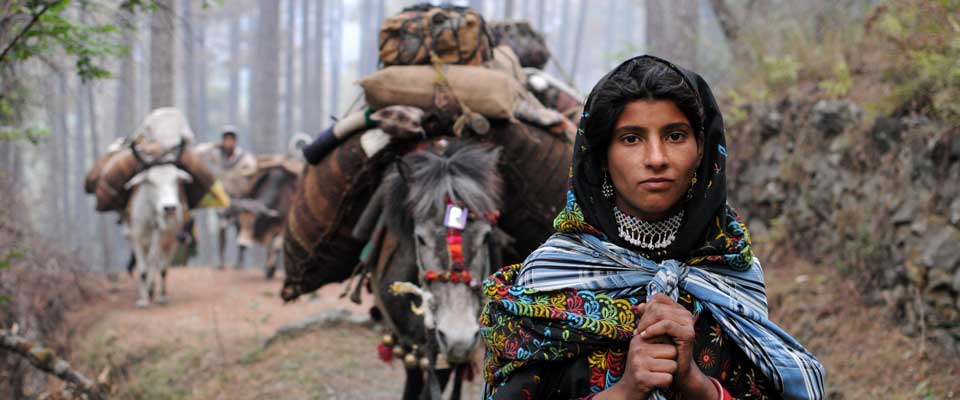
Van Gujjar families move with their buffalo herds between Himalayan meadows and the lower forests of Uttarakhand, Himachal Pradesh and Uttar Pradesh, carrying their ancestry in memory rather than ledgers. Knowledge of clan branches, marriage rules and seasonal encampments has passed through conversation, ritual and song for centuries. When elders pass without sharing what they know, whole branches of a family tree can vanish in a single season.
Australia offers a useful parallel. Researchers working with Aboriginal and Torres Strait Islander communities in the Kimberley, Cape York and Arnhem Land have refined oral history methods that respect kinship protocols and seasonal mobility. SOPHIA's work among Van Gujjar families draws on similar ethical commitments within the rhythms of transhumant pastoral life.
Mobile pastoralists rarely live near district archives, so civil registration often reaches them late. Oral documentation fills the gaps left by colonial records and current bureaucratic hurdles around domicile and caste certificates. Properly gathered, an oral genealogy becomes both a family record and a tool for asserting forest rights and milk cooperative access.
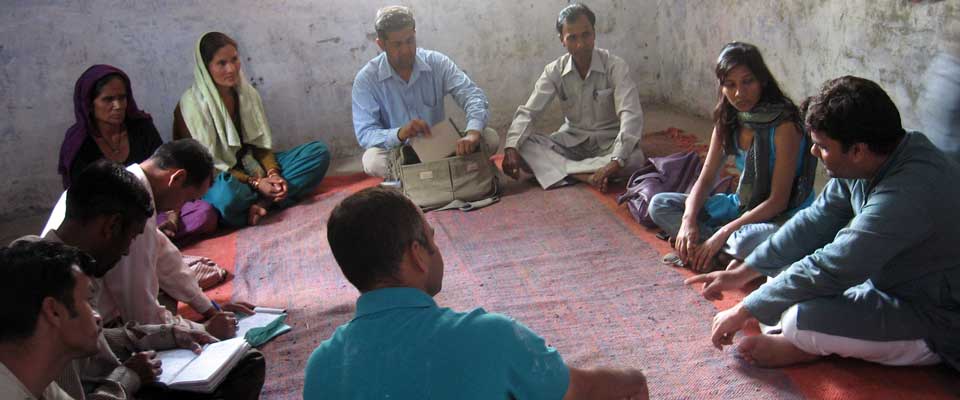
The following guide outlines practical steps for community workers, researchers and volunteers who want to document Van Gujjar kinship through oral methods, often in tents, forest schools or roadside tea stalls.
Preparing for Fieldwork in Pastoral Settings
Before any recorder is switched on, understand the seasonal calendar. Van Gujjar families migrate between high-altitude bhattas and lower grazing tracts, so interviews happen during brief halts. Plan visits around festivals and migration windows, when relatives gather and recall is stronger.
Travel light. A solid-state recorder, backup dictaphone, solar charger, notebooks and laminated kinship diagrams are worth the weight carried by porters along mountain tracks. Field schools at the Australian National University in Canberra offer useful lessons on packing for remote oral history trips.
Brush up on local languages before arrival. Gojri, Hindi and Urdu are most common in Van Gujjar camps. Where team members lack fluency, employ a community facilitator rather than a stranger-translator.
Building Trust and Ethical Protocols
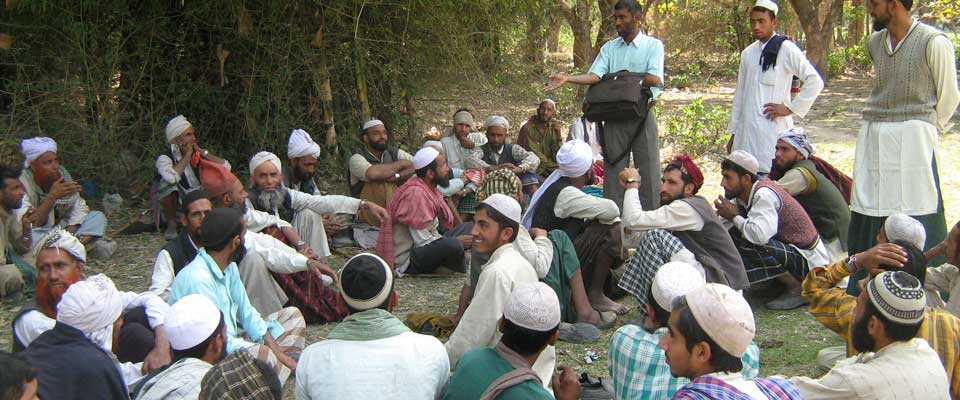
Consent among Van Gujjar families is rarely a single signature. Elders usually discuss a request among brothers, cousins and in-laws before agreeing to record. Bring Gojri-language consent forms, but expect real permission to come through tea, shared meals and patience.
Australian practitioners familiar with cultural authority protocols in Aboriginal heritage work know that authority does not always sit with one individual. In Van Gujjar settings, a senior woman or religious leader may hold authority over certain stories, while a male household head controls others. Map gatekeepers first, and ask who else should be present.
Agree in advance which narratives can be shared publicly, which remain within the clan, and which must wait for the right season. Document these decisions so future researchers do not breach them.
Recording Techniques and Equipment
Choose equipment that survives dust, monsoon humidity and buffalo traffic. Lavalier microphones clipped to a collar pick up quiet voices better than handhelds in windy clearings. Always run two recorders, and note date, village, clan and interviewee code on every file.
Encourage storytellers to speak at their own pace. Long pauses often hold the genealogy itself, as elders move through generations before naming them. Resist the urge to fill silence, a lesson oral historians in Melbourne and Sydney stress to field researchers.
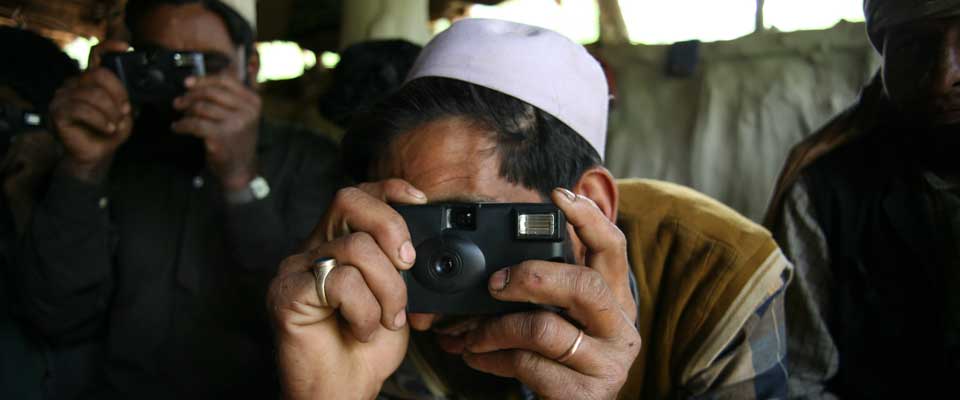
Complement audio with visual records. Sketches of family trees drawn together on large sheets, photos of elders with consent, and short video clips of ritual objects help cross-check names and relationships later.
Mapping Kinship Across Seasonal Migration
Genealogies stretch horizontally across geography, not vertically down one village. A grandfather may have lived in three forest blocks, married into a family from another district, and sent children to summer pastures in Himachal. Oral mapping should trace movement as well as descent, asking where each ancestor camped and with whose herd.
Printed satellite images on A3 paper work well as visual anchors. Elders can point to streams, salt licks and old bhattas, triggering recollections that a name list cannot. Researchers in Central Australia use similar aerial photo elicitation with strong results.
Record alternative spellings and pronunciations of names. The same ancestor may appear as Bashir, Basheer or Bashiruddin across branches. Cross-referencing variants helps reunite families that have drifted apart across districts.
Translating, Transcribing and Storing Narratives
Transcribe in the original language first, then translate. Direct audio-to-English translation flattens kinship terms that have no English equivalent. Where a Gojri word carries several meanings, footnote the range, an approach used by oral history centres in Sydney working with Pacific Islander communities.
Store recordings in at least three places: a community copy held locally, an organisational archive with SOPHIA, and a secure digital repository. The National Archives of Australia shows how geographically distant backups protect monsoon-prone material.
Capture metadata on the interviewer's name, the relationship between recorder and interviewee, location, weather, and significant events of the day. These details later help researchers judge reliability and context.
Returning Knowledge to the Community
A project ends when the community can use it, not when files are stored. Print laminated family trees for each household, and host gatherings where elders review and correct the documents together, passing knowledge to younger members at the same time.
Share methodological lessons with Australian partners without sharing sensitive content. Joint workshops and student exchanges between Indian and Australian universities can strengthen practice on both sides and train younger Van Gujjar men and women as oral historians.
Equipment and supplies suited to highland recording
- Solid-state digital recorder with manual gain control
- Lavalier microphones, spare batteries and memory cards
- Solar power bank and universal adapter
- Laminated A3 satellite printouts of grazing areas
- Gojri-language consent forms and notebooks
Guiding principles adapted from cross-cultural oral history work
- Seek collective rather than individual consent
- Allow silence and do not rush the narrator
- Translate kinship terms with footnotes, not single words
- Store recordings in three separate locations
- Return transcripts to the community before publication
If you live in Australia and want to support SOPHIA's oral history work, partner with us through university field schools in Melbourne, Sydney or Perth, donate archival equipment, or volunteer remotely as a Gojri transcriber. Reach out through the website to begin a conversation about how your skills and networks can help keep Van Gujjar genealogies alive for the families who carry them.