



Participatory Rural Appraisal With Pastoral Communities
Participatory Rural Appraisal (PRA) is a practical way to understand how pastoral communities live, work and make decisions. Rather than treating residents as sources of data, it places their knowledge at the centre of planning. This is especially important where livelihoods depend on forests, grazing routes, livestock, water and changing market conditions.
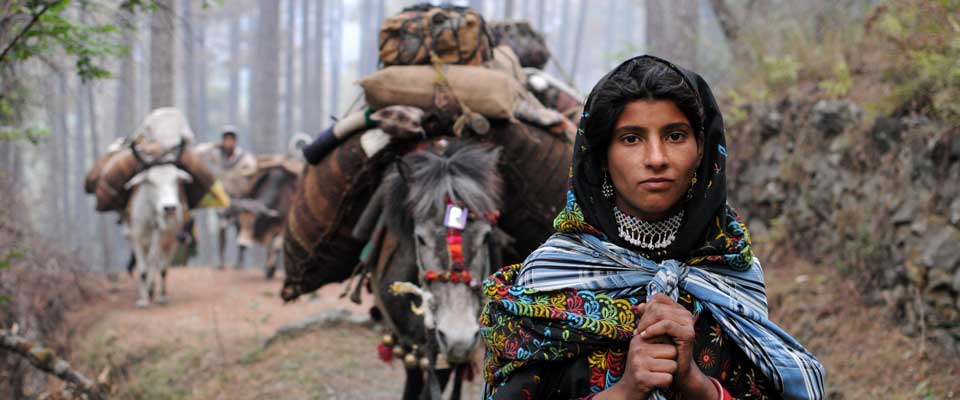
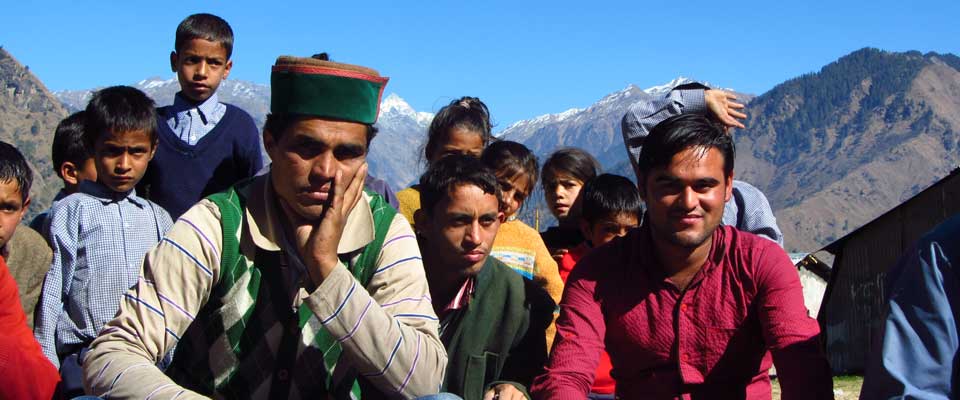
For organisations such as SOPHIA, a community-led appraisal can reveal how Van Gujjar and Himalayan village households manage buffalo, access forest resources, protect customary rights and sell milk. The process can also identify barriers that formal surveys often miss, including seasonal migration, insecure tenure, gendered workloads and limited access to government services.
Australian practitioners will recognise some similar dynamics in Aboriginal pastoral communities, cattle stations and remote grazing areas. A community’s priorities may look different in Alice Springs, the Kimberley or western Queensland, yet distance, drought, cultural authority and access to markets can shape participation in comparable ways.
A strong PRA is more than a workshop with coloured markers. It is a respectful process of listening, checking information with the community and supporting people to analyse their own situation. The quality of the findings depends on trust, timing and whether participants can see a realistic path from discussion to action.
Build Trust Before Collecting Information
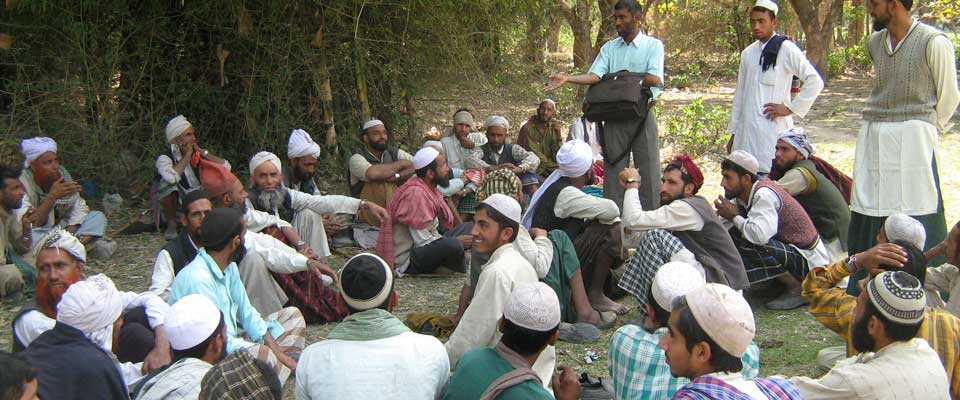
Begin with local introductions and permission. Meet community leaders, women’s groups, youth representatives, pastoral associations and relevant government officers before scheduling activities. Explain who is organising the exercise, what information will be recorded, who will use it and what participants can expect afterwards.
Do not assume that the most visible leader speaks for everyone. In Van Gujjar settlements, village communities or Australian Aboriginal communities, authority may be shared through family, clan, Elders, elected bodies or informal networks. Use local languages where needed, provide interpreters and allow time for relationships to develop.
Define The Purpose Together
A PRA should have a clear purpose agreed with participants. It might explore grazing access, buffalo health, milk marketing, forest rights, water security or the effects of seasonal movement. Avoid collecting broad information simply because it may be useful later.
Explain the purpose in plain language. In Australia, this might mean saying the project is about “finding out what’s happening on Country and what needs fixing”, rather than presenting a technical research brief. In Himalayan communities, similar clarity helps people distinguish a participatory assessment from a government inspection or benefits survey.
Choose Methods That Fit Pastoral Life
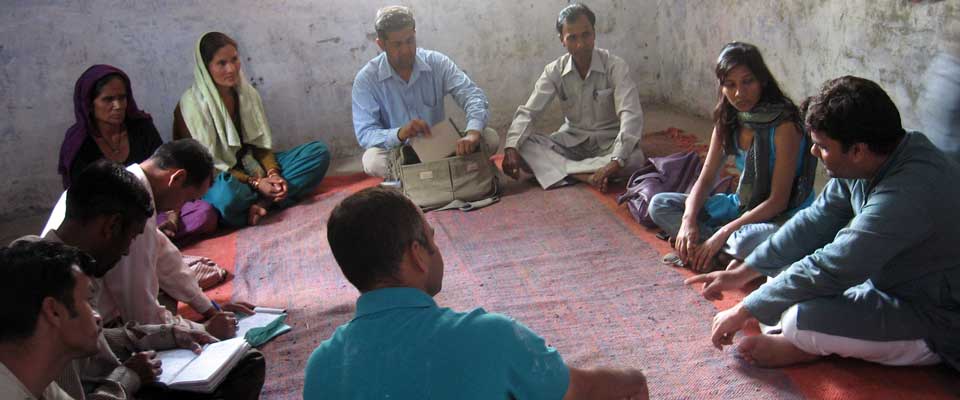
Use several methods so that different forms of knowledge become visible. A seasonal calendar can show when families migrate, calve buffalo, collect forest products, face illness or experience milk price changes. A community map can identify grazing areas, water points, forest boundaries, roads, schools and conflict zones.
A transect walk allows participants to explain the landscape while moving through it. Livelihood ranking can compare income sources, livestock breeds, labour demands and risks. Separate conversations with women, young people, landless households and mobile herders can reduce the influence of dominant voices.
Practical Field Activities
- Draw a seasonal calendar with local months, weather patterns and livelihood tasks
- Map grazing routes, water sources, settlements, forests and service points
- Rank livelihood risks, household priorities and possible solutions
- Conduct transect walks with different community groups
- Record changes in livestock health, fodder, milk sales and market access
Make Participation Inclusive
Schedule sessions around herding, milking, household work, prayer, school and migration. A meeting held during peak milking time will exclude the people most familiar with dairy work. In remote Australian areas, long travel distances and unreliable mobile coverage may require smaller local sessions rather than one central gathering.
Use visual tools for participants with limited literacy. Encourage discussion in the language people use at home, and record local terms accurately. In Australia, words such as “mob”, “Country” and “ranger” carry cultural meaning and should not be replaced casually with generic development language.
Explore Rights And Livelihoods Together
Pastoral livelihoods are shaped by rights as well as resources. Ask who can graze where, who controls water, how forest rules are understood, and what happens when customary practices conflict with official regulations. Document different experiences rather than presenting a single community view.
For buffalo-keeping households, examine the full chain from fodder and animal health to collection, transport, pricing and payment. Australian comparisons may include cattle stations dealing with freight costs, seasonal roads, abattoir access or supermarket supply chains. In both settings, market distance can affect whether improved production actually benefits households.
Analyse Findings With The Community
Do not take notes away and produce a final report without checking the interpretation. Return maps, diagrams and key findings in an accessible format. Ask participants what is missing, which issues are urgent and which recommendations are realistic.
Triangulate information from group discussions, observation, household conversations and available records. If milk prices differ between households, investigate collection dates, volume, quality, transport and buyer arrangements instead of choosing one figure. Community validation helps correct errors and builds shared ownership of the results.
Turn Evidence Into Action
End the appraisal with agreed priorities, responsibilities and timelines. A community may choose to pursue a forest-rights claim, improve buffalo vaccination, establish a milk collection point, repair a water source or negotiate with a local authority. Break large goals into steps that people can monitor.
SOPHIA-style partnerships can connect community priorities with advocacy, government engagement, technical support and other civil-society organisations. The process should also identify what the community can lead independently and where outside resources are genuinely required.
Ethical Commitments For Field Teams
- Obtain informed consent before recording voices, images, names or locations
- Protect sensitive information about customary areas, rights claims and household finances
- Pay attention to unequal participation linked to gender, age, caste, class or mobility
- Return findings in local languages and useful formats
- Agree how benefits, credit and decisions will be shared
A well-run participatory rural appraisal leaves more than a dataset. It strengthens local analysis, makes overlooked knowledge visible and helps communities negotiate with institutions from a stronger position. For pastoral groups in the Himalayas and across Australia, respectful listening is the foundation for practical action.
Support community-led research and rights-based development by learning from SOPHIA’s work, sharing relevant partnerships and helping strengthen pastoral livelihoods, indigenous rights and sustainable milk economies.