





How to Advocate for Pastoralist Rights in Wildlife Conservation Debates
Wildlife conservation is often presented as a choice between protecting nature and maintaining livestock livelihoods. In practice, pastoralist communities have long cared for grasslands, forests, wetlands and mountain landscapes while relying on animals for food, income, culture and mobility. Their knowledge belongs at the centre of conservation decisions.
For Australian advocates, this issue has clear local connections. From cattle stations in the Northern Territory and Queensland to Traditional Owner ranger programs and alpine grazing debates in Victoria, people are asking how conservation can deliver a fair go for communities living with wildlife. SOPHIA’s work with Van Gujjar and Himalayan village communities offers valuable lessons in rights-based advocacy, community organising and sustainable pastoralism.
Begin With Rights And Lived Experience
Effective advocacy starts by recognising pastoralists as rights holders, not obstacles to a park plan. Their access to forests, grazing routes, water, markets and settlement is linked to identity and survival. A conservation proposal that removes these foundations can create poverty, displacement and conflict while claiming environmental success.
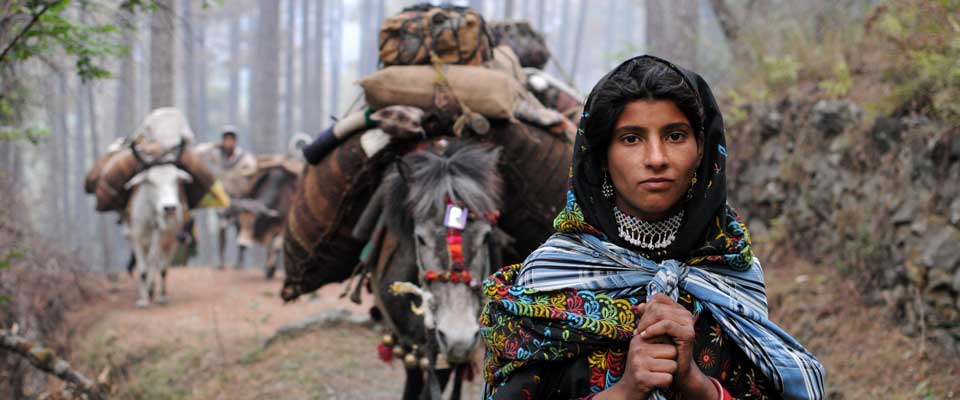
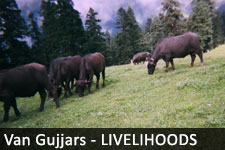
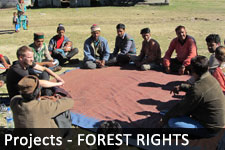
SOPHIA works with Van Gujjar communities across Uttarakhand, Himachal Pradesh and Uttar Pradesh on forest rights, domicile rights, buffalo husbandry and milk marketing. This approach connects legal recognition with practical livelihoods. Australian campaigns can apply the same principle by documenting who uses a landscape, how seasonal movement works and which decisions have excluded local voices.
Replace Fortress Conservation With Shared Stewardship
Protected areas are stronger when people with local knowledge help govern them. Pastoralists understand water points, forage cycles, animal behaviour, fire patterns and changing weather. Their observations can complement scientific surveys and improve habitat management.
The phrase “on Country” carries particular weight in Australia because Traditional Owner knowledge and cultural authority are central to many ranger and land management programs. Advocates should support co-management, negotiated access and community ranger employment rather than treating fencing or exclusion as the default solution. In the bush, practical cooperation often earns more trust than technical language delivered from a distant office.
Evidence That Strengthens A Community Case
- Oral histories and seasonal maps showing customary routes and resource use
- Records of livestock numbers, milk production and household income
- Community-led monitoring of wildlife, vegetation, water and fire
- Written accounts of how proposed restrictions may affect women, children and older people
Build A Coalition Beyond The Pastoral Sector
Wildlife debates attract stronger public attention when pastoralist voices work alongside conservation scientists, Indigenous organisations, local businesses, animal welfare groups and rural service providers. The shared message should focus on healthy landscapes, secure livelihoods and accountable decision-making.
Australia’s Landcare networks provide a useful model for building practical alliances. A campaign might connect station families, Traditional Owners, local councils, ecologists and regional food businesses around a specific catchment or grazing landscape. In areas affected by drought, high freight costs or supermarket pressure, conservation arguments become more credible when they acknowledge the real economics of keeping animals.
Make Livelihoods Part Of The Conservation Plan
Pastoralist rights cannot be separated from viable markets. A family may support habitat protection yet be unable to comply with new rules if transport, veterinary care, fodder or fair payment is unavailable. Sustainable pastoralism requires investment in the whole value chain.
SOPHIA’s work on buffalo husbandry and milk marketing shows how advocacy can move beyond protest. Better animal care, producer cooperatives, reliable collection systems and stronger bargaining power can improve incomes while reducing pressure on land. In Australia, conversations about dairy prices, supermarket contracts, live export and remote supply chains should include the cost of conservation compliance for producers.
Practical Policy Demands
- Require free, prior and informed participation before conservation restrictions are adopted
- Fund community-led wildlife monitoring and ranger partnerships
- Protect seasonal grazing, migration and water access where ecological evidence supports it
- Create compensation or transition funds when public conservation rules reduce income
- Publish clear review processes, with community representatives involved in decisions
Communicate For Public Support
Good advocacy translates technical concerns into a clear public story. Explain what may change, who will carry the cost and what alternative would protect wildlife while keeping families on the land. Use plain language, local evidence and specific requests rather than broad claims about tradition or development.
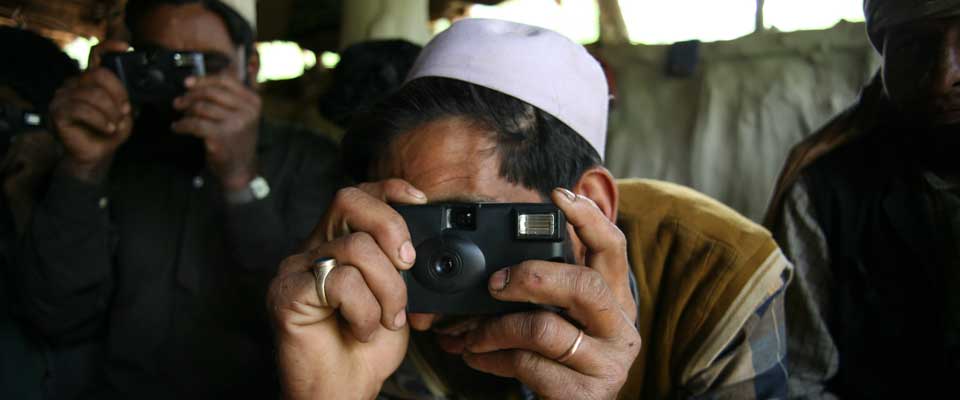
Australian audiences often respond to ideas such as a fair go, regional resilience and caring for Country. Campaign materials can show how a proposed ban affects a family’s route to market, a community’s access to water or a ranger team’s ability to manage fire. Photos, short videos, local radio and community meetings can reach people who will never read a lengthy policy submission.
Turn Participation Into Accountability
Invitations to consultation do not guarantee influence. Communities need records of what was proposed, who attended, what officials promised and when decisions will be reviewed. Written submissions should ask for accessible meeting locations, translation where needed, transport support and enough time for collective decision-making.
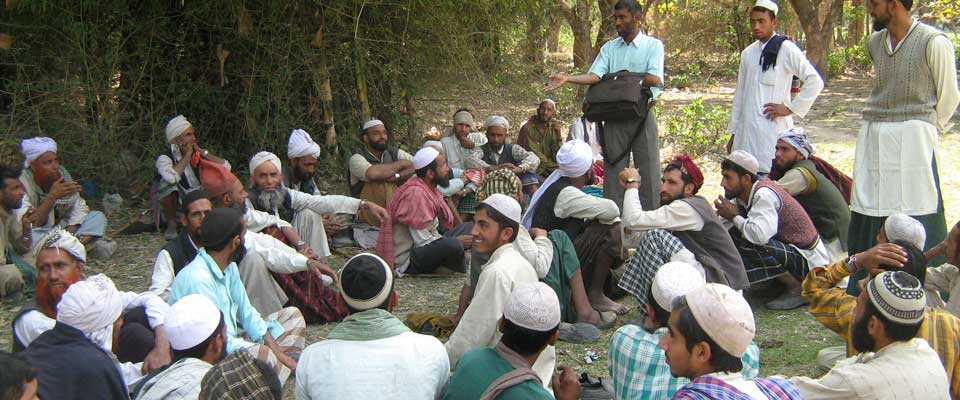
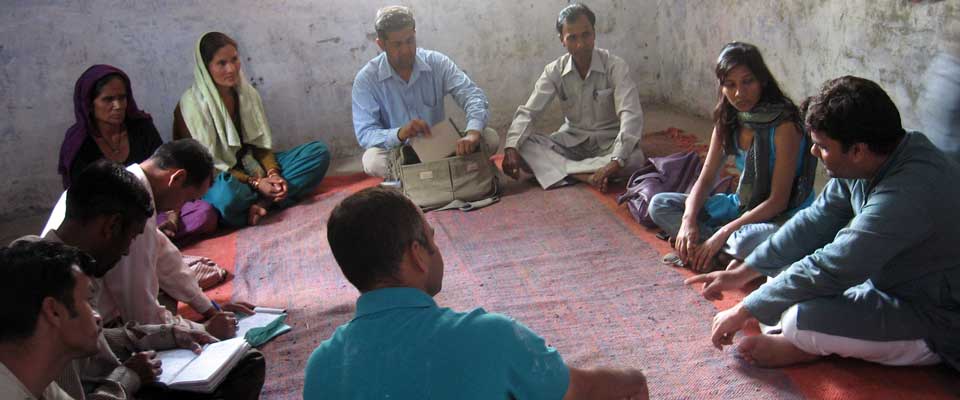
SOPHIA’s rights-based practice combines social mobilisation, government engagement, advocacy and partnerships with other NGOs. That combination helps communities remain involved after a policy announcement. Australian advocates can track parliamentary inquiries, park management plans, council processes, environmental approvals and budget commitments, then share updates through trusted local networks.
Support pastoralist-led conservation by learning from SOPHIA’s projects, amplifying community evidence and backing policies that combine ecological protection with secure rights. Share credible stories, build partnerships across rural and Indigenous communities, and make every public submission call for participation, fair livelihoods and accountable stewardship.