



How Solar Lamps Are Changing Evening Life in Remote Van Gujjar Camps
As daylight fades across the Himalayan foothills, a reliable lamp can change far more than visibility. For Van Gujjar families living in seasonal camps, solar lighting can make evening hours safer, calmer and more useful without requiring a connection to a distant electricity grid.
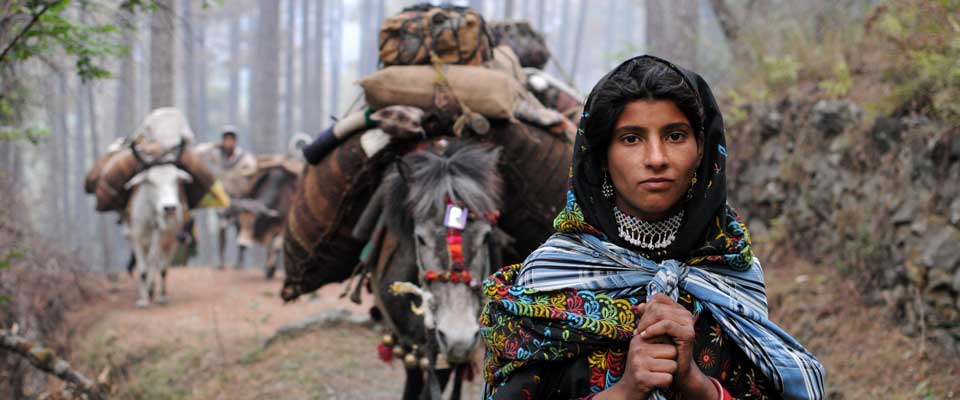
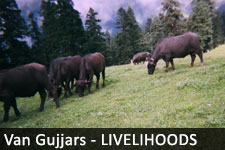
Van Gujjar communities traditionally move with their buffalo herds between forest and valley pastures. Their daily routines depend on animals, weather, grazing access and local regulations. When firewood or kerosene has been the main source of evening light, darkness can restrict work, study and social life.
A small solar lamp stores energy during the day and provides light after sunset. It produces no indoor smoke, needs no regular fuel deliveries and can be carried between temporary shelters. These practical benefits are especially important where roads are difficult, camps are dispersed and household incomes are closely tied to livestock.
For an Australian audience, the change may be easiest to picture by comparing it with familiar evening routines in Melbourne, Brisbane or Perth. A family meal, children reading, repairing equipment or checking animals all depend on dependable light, whether the power comes from a suburban network or a compact panel beside a mountain camp.
A Small Light, A Longer Evening
Before solar lamps, families may have relied on open flames, candles or kerosene lanterns. These sources can be costly, smoky and hazardous around bedding, clothing and stored fodder. A rechargeable lamp gives a household greater control over when and where light is used.
The difference is not measured only in brightness. A parent can prepare milk products after sunset, a child can finish schoolwork, and someone can inspect a buffalo without carrying a flame. The lamp extends the useful day while reducing pressure to gather fuel.
Safer Movement After Dark
Evening movement is part of pastoral life. People may need to reach an animal shelter, collect water, visit relatives or respond to a buffalo that is sick or has become separated from the herd. A handheld solar torch can reduce falls on uneven ground and make paths easier to navigate.
Improved lighting also supports safer household spaces. Children can move around without approaching an open fire, while adults can keep cooking and animal-care areas more visible. These modest changes can be particularly valuable for women and older people, who may otherwise avoid travelling outside after dark.
Study, Work, And Household Time
Lighting can create a quiet period for reading and school preparation after the day’s pastoral work is complete. Children do not need to depend on a smoky wick or stop studying as soon as the sun goes down. Over time, this may strengthen their connection with formal education while respecting the community’s mobile way of life.
Adults gain useful hours as well. Milk processing, stitching, tool repair and sorting supplies can continue in the evening. Better visibility may also help families keep records of milk sales, animal health and household spending, supporting more organised participation in local markets.
Community Life And Local Knowledge
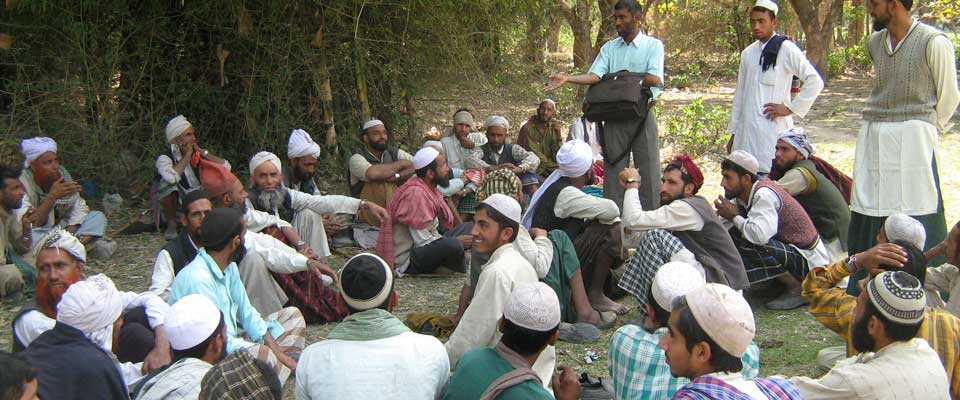
A lamp can bring people together around a shared conversation rather than forcing everyone indoors early. Elders can tell stories, discuss grazing routes and pass on knowledge of forests, weather and animal care. These gatherings help maintain identity in communities facing economic and administrative change.
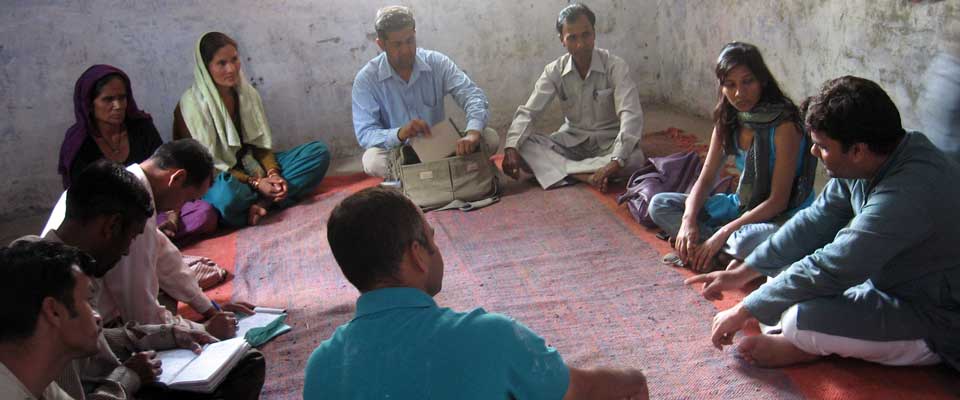
For organisations working with Van Gujjar families, lighting is most effective when it sits within broader community empowerment. Rights awareness, social mobilisation and government engagement remain essential. Solar equipment becomes more useful when communities help decide who needs it, how it is maintained and where it fits within seasonal movement.
Energy Choices In Fragile Landscapes
Solar lamps offer a low-impact alternative to regular kerosene use. They do not require fuel to be carried into remote camps, and they avoid the indoor fumes associated with combustion. Their environmental value is greatest when batteries and damaged units are collected and disposed of responsibly.
This approach complements wider efforts to protect pastoral livelihoods and access to forests. Information about forest rights work helps explain why energy access cannot be separated from land, mobility and community rights. A lamp is useful, but it cannot replace secure grazing access or fair treatment by institutions.
What Australian Supporters Can Learn
Australia has a mature solar market, from rooftop panels in Adelaide homes to battery systems serving rural properties. Yet the scale and purpose of a camp lamp are different. A compact product must be durable, repairable and simple enough to use where replacement parts and technicians may be far away.
Australian households are also familiar with practical emergency lighting during bushfire seasons, storms and power outages. That experience offers a useful point of connection, while the regulatory setting still matters: electrical safety requirements vary between Australian states and territories, and larger off-grid systems should be installed by licensed professionals.
Practical Ways To Support Lasting Access
Effective support focuses on reliability and local control rather than treating a lamp as a one-off gift. Programmes can combine equipment with training, maintenance arrangements and careful monitoring of how families use the technology.
Useful priorities include:
- Choose robust lamps with replaceable batteries and repairable components.
- Include women, elders and young people in decisions about distribution and use.
- Provide simple guidance on charging, cleaning panels and storing equipment.
- Plan for battery collection and responsible end-of-life disposal.
- Link lighting projects with education, health, livelihood and rights-based work.
Australian donors, schools, community groups and ethical businesses can contribute through organisations with established relationships in the Himalayan region. Support is strongest when it follows community priorities and allows local partners to manage delivery, feedback and follow-up.
A solar lamp may be small enough to hold in one hand, but its effects can reach across a whole evening. By making study, animal care, household work and conversation safer after sunset, it gives Van Gujjar families more choice over their time while supporting a cleaner form of energy. Visit SOPHIA’s work, share its community-led approach and support practical projects that connect dignity, rights and sustainable livelihoods.