





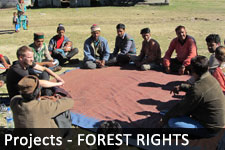

Exploring the Cuisine of the Van Gujjars
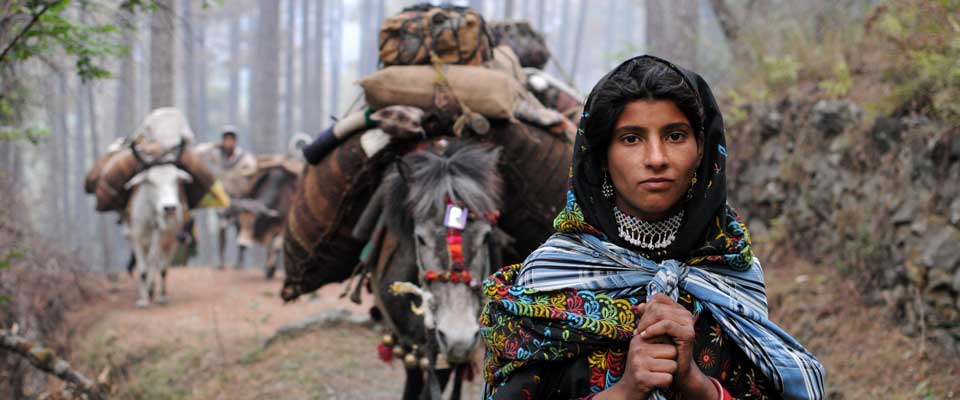
Van Gujjar cuisine is closely connected to pastoral life in the Himalayan foothills. Traditionally, families move with their buffalo herds between forest pastures and settled villages, carrying practical cooking methods that make good use of milk, grain, seasonal vegetables, and easily stored ingredients.
The food is nourishing rather than elaborate, yet its simplicity reveals deep knowledge of climate, livestock, and landscape. Buffalo milk may become tea, curd, buttermilk, butter, ghee, or fresh cheese, while grains and greens provide energy during long days of herding and migration.
Recipes vary between families and regions across Uttarakhand, Himachal Pradesh, and Uttar Pradesh. Exploring this food culture therefore means appreciating local differences instead of treating Van Gujjar cooking as a fixed menu.
Food Shaped By Pastoral Life
Buffalo husbandry is at the heart of the Van Gujjar food system. Fresh milk is consumed daily, and surplus milk can be transformed into dahi, chaas, makkhan, ghee, or paneer. These foods extend the usefulness of milk and help households manage supplies when markets are distant.
Seasonal movement also influences cooking equipment and techniques. Portable utensils, firewood fires, simple kneading methods, and recipes requiring few ingredients suit a mobile lifestyle. Meals are often filling and adaptable, allowing cooks to work with what is available in a forest settlement, temporary camp, or village home.
A Pantry Of Milk Grain And Greens
Maize, wheat, rice, and locally available millets may form the grain foundation of meals, depending on location and household preference. Flour can be turned into rotis, thick flatbreads, or dumplings, while cooked grains pair well with curd, lentils, vegetables, and milk-based gravies.
Wild and cultivated greens add freshness and minerals to the diet. Seasonal leaves, gourds, potatoes, onions, garlic, pulses, and herbs may appear in everyday cooking. Spices are used for flavor and preservation, but the character of many dishes comes from fresh dairy, roasted grain, wood-fire cooking, and the natural taste of vegetables.
Recipes Rooted In Everyday Practice
A simple buffalo-milk tea is one of the most familiar preparations. Strong tea is boiled with milk, water, and sugar, with cardamom or other spices added when available. In some households, milk may be used generously, creating a richer drink than ordinary tea.
Fresh paneer can be made by heating milk and adding an acidic ingredient such as lemon juice or sour whey. Once the curds separate, they are strained, pressed, and served with vegetables or flatbread. The remaining whey need not be discarded; it can enrich dough, soups, or other preparations.
Curd-based chaas is another practical drink for warm days and demanding work. Whisked yogurt is diluted with water and seasoned with salt, roasted cumin, mint, or local herbs. A meal of roti, greens, and cool buttermilk demonstrates how a few staple ingredients can create balance and satisfaction.
Seasonal Changes In The Cooking Pot
The following comparison shows how the same food traditions can respond to different settings. Actual ingredients and recipes differ between households, so these examples are best understood as broad patterns rather than strict rules.
| Setting | Commonly valued ingredients | Suitable preparations | Food purpose |
|---|---|---|---|
| Summer grazing season | Buttermilk, curd, fresh greens, grains | Chaas, light vegetable dishes, rotis | Hydration and easy digestion |
| Winter forest stay | Milk, ghee, flour, pulses, root vegetables | Rich porridges, stuffed breads, lentil dishes | Warmth and sustained energy |
| Village market period | Paneer, rice, seasonal produce, spices | Curries, rice meals, fresh cheese dishes | Variety and exchange |
| Migration or travel | Flour, dried pulses, clarified butter | Flatbreads, simple grain meals, tea | Portability and storage |
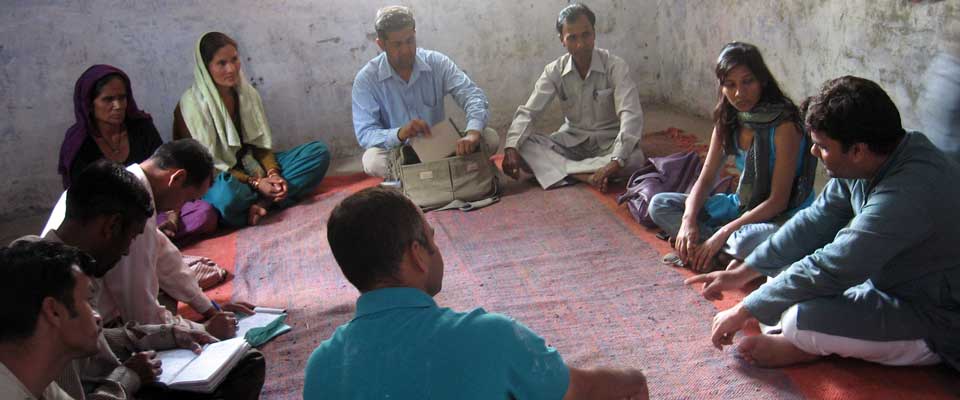
Food also reflects access to markets and public services. Milk marketing can influence whether surplus dairy is consumed at home, exchanged locally, or sold for household income. Organizations such as SOPHIA’s community work help draw attention to the rights, livelihoods, and knowledge systems that support these food traditions.
Preparing Food With Respect
Van Gujjar cuisine should be documented with consent and cultural sensitivity. A recipe is more than a list of measurements: it may carry memories of migration routes, family roles, forest access, livestock care, and relationships with neighboring communities.
Visitors and food writers should avoid presenting community dishes as exotic discoveries. They should credit cooks, ask permission before recording photographs or recipes, and recognize that indigenous food knowledge belongs to the people who maintain it. Supporting fair milk markets and local producers can be more meaningful than simply reproducing a dish.
Ways To Explore The Cuisine
Those wishing to learn about this culinary heritage can begin with ordinary meals and community-led conversations:
- Visit local food events or village initiatives with prior permission.
- Learn how milk becomes curd, butter, ghee, buttermilk, and paneer.
- Buy grains, dairy, and seasonal produce through fair local channels.
- Record family recipes only with the cook’s consent and proper credit.
- Compare regional variations without ranking one version as the “authentic” one.
Cooking these foods at home can encourage appreciation, but it should also lead to greater understanding of pastoral rights, forest access, and the economic pressures facing Van Gujjar families. Cuisine remains connected to land, mobility, and the ability to sustain livestock.
A bowl of chaas, a warm roti, or fresh paneer offers a small entry point into a much larger cultural story. Explore Van Gujjar foodways through respectful learning, support community-led work, and help keep attention on the people whose knowledge gives these recipes their meaning.