



Listening Across Mountains: Van Gujjar Elders’ Oral Histories
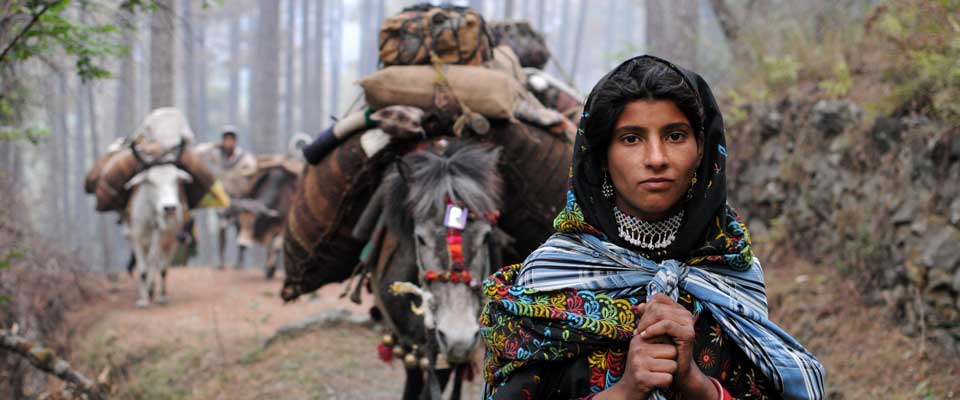
Across the Himalayan foothills, Van Gujjar elders carry memories of forest routes, seasonal camps, buffalo herds, customary practices, and changing relationships with government authorities. Their stories offer more than personal recollections: they preserve community knowledge about movement, work, family life, and belonging.
Documenting Oral Histories of Van Gujjar Elders can help make these experiences visible while supporting community-led advocacy. When recorded with care, an elder’s account may contribute to discussions about forest rights, domicile recognition, pastoral livelihoods, education, and access to public services.
For Australians, this work may feel familiar through conversations about Country, Traditional Owner knowledge, and the value of listening to regional and remote communities. A story gathered in a Himalayan forest settlement deserves the same patience, respect, and attention given to an oral history recorded in the Kimberley, the Victorian High Country, or a remote Northern Territory community.
Why Elder Voices Matter
Van Gujjar communities have long depended on buffalo husbandry, milk production, forest resources, and seasonal movement between locations. Elders can describe how these systems worked before roads, documentation requirements, and changing forest policies reshaped everyday life. Their testimony can connect family histories with wider questions of indigenous rights and sustainable pastoralism.
Written records often favour officials, institutions, or people who already have access to formal platforms. Oral history creates space for community members to explain their own reality in their own language and rhythm. A pause, a place name, or a remembered route may hold details that would disappear from a conventional report.
Stories Held In Place
A Van Gujjar elder may remember a forest camp through the sound of buffalo bells, the timing of monsoon movement, or the location of a water source. These details can reveal how pastoral knowledge is passed between generations and how communities respond to weather, conservation rules, market pressure, and restrictions on mobility.
Place-based stories also help younger people understand their heritage. In the same way that an Australian family might preserve memories of droving routes near the Snowy Mountains or seasonal work in the Murray-Darling Basin, Himalayan oral histories can keep knowledge connected to landscape rather than storing it only in an archive.
Consent Before Recording
Ethical fieldwork begins before a recorder is switched on. Participants should understand why their story is being collected, where it may be stored, who may hear it, and whether it could be used in advocacy, education, media, or fundraising. Consent should be ongoing, with the option to pause, withdraw, correct, or restrict parts of a recording.
Language and interpretation require particular care. An elder may prefer to speak in a community language, with translation completed later by someone trusted. Researchers and partner organisations should avoid treating oral testimony as raw material to extract. The storyteller remains connected to the knowledge, and the community should have a meaningful say in access and use.
From Memory To Evidence
Oral histories can strengthen advocacy when they are carefully documented alongside dates, locations, photographs, maps, and relevant public records. A collection of accounts may show recurring concerns about forest access, identity documents, schooling, healthcare, or the recognition of pastoral rights.
This evidence can support dialogue with government departments and civil society organisations without reducing complex lives to a single policy message. SOPHIA’s rights-based work can help connect community testimony with social mobilisation, legal awareness, and practical engagement. The purpose is to make lived experience count in decisions that affect families.
Connecting Australian Audiences
Australian supporters often respond to clear provenance. At a Melbourne farmers’ market, shoppers may ask where produce came from, who produced it, and whether the supply chain is fair. The same interest can guide engagement with buffalo milk livelihoods: audiences can learn how pastoral production, community control, and ethical market access are connected.
Regional libraries, museums, historical societies, and Aboriginal community-controlled organisations across Australia also show why cultural material needs careful stewardship. A digital story from Uttarakhand should not be presented as an exotic snapshot. It should explain the speaker’s agency, the community’s priorities, and the wider context of forest and domicile rights.
Supporting Community-Led Documentation
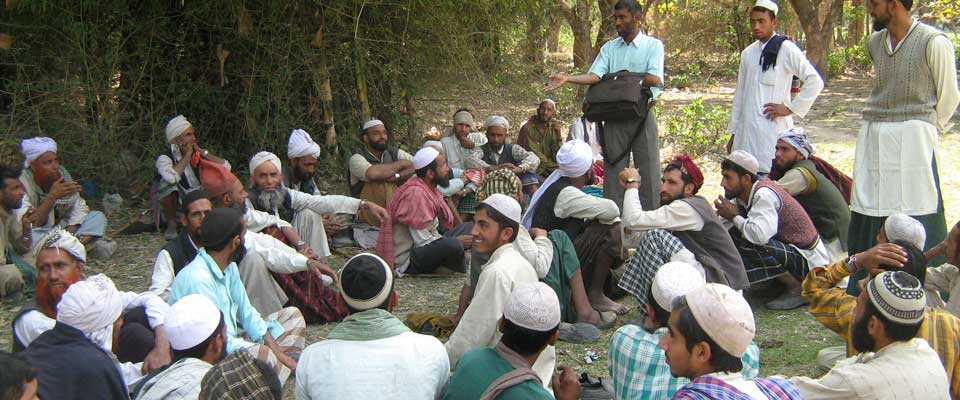
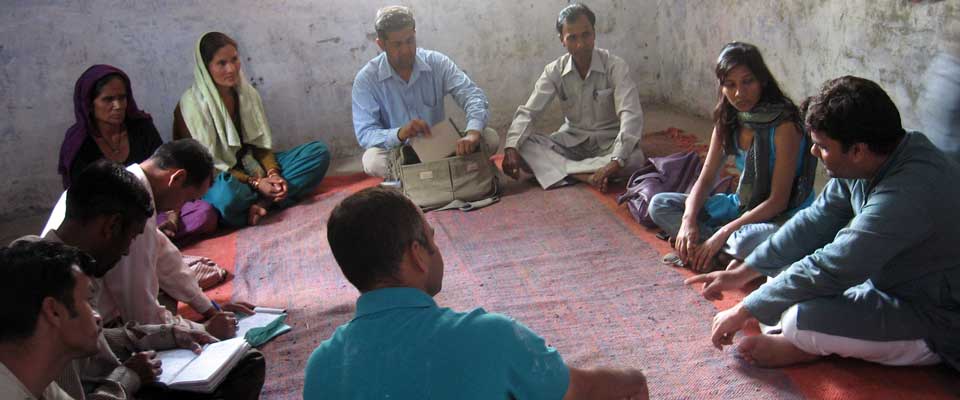
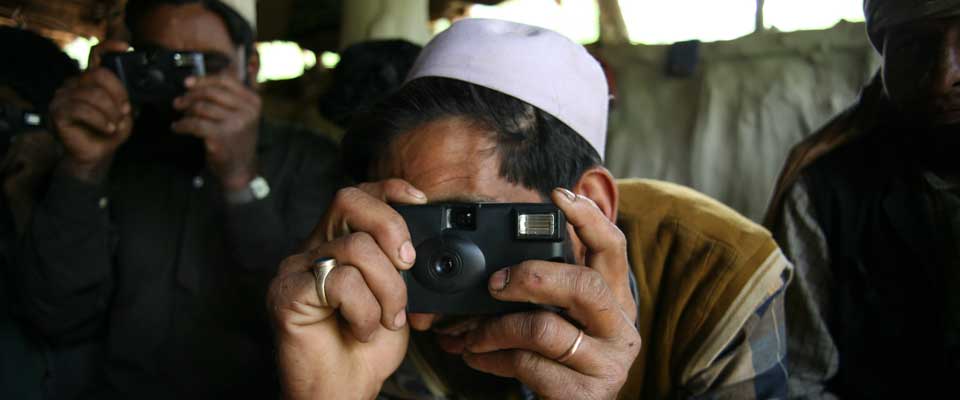
Good documentation depends on relationships, appropriate equipment, and time. A reliable audio recorder, translated consent forms, secure backups, and trained local interviewers can make the process safer and more useful. Community review sessions allow participants to identify mistakes and decide what should remain private.
People who want to support this work can begin by learning from SOPHIA’s information for supporters, then choosing forms of involvement that respect community leadership. Useful support may include funding translation, archiving, travel, training, or locally managed storytelling projects.
- Support recording and translation led by Van Gujjar community members.
- Fund secure digital storage and community-controlled archive access.
- Share stories with clear consent, accurate context, and appropriate attribution.
- Connect ethical milk marketing discussions with fair income for pastoral households.
- Encourage schools, libraries, and cultural organisations to host informed public events.
A strong oral history project leaves more than a collection of files. It builds confidence among younger community members, helps elders feel heard, and gives advocates credible material for conversations about rights and livelihoods. It can also create respectful links between Himalayan communities and Australians who care about cultural continuity, ethical markets, and the protection of living knowledge.
SOPHIA’s work offers a practical way to stand alongside Van Gujjar and Himalayan village communities. Learn about the organisation, share its community-led approach, and contribute to documentation that keeps elder voices connected to the people, places, and decisions shaping their future.