




Buffalo husbandry as a pathway to women’s economic empowerment
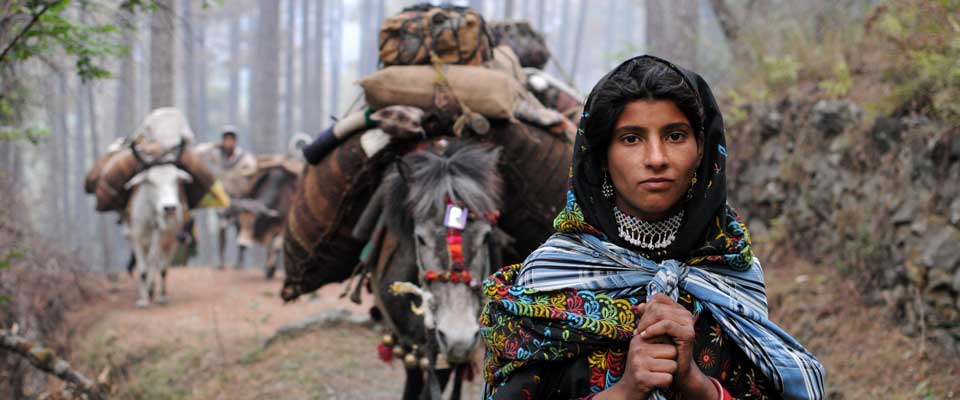
For Van Gujjar families and Himalayan village communities, buffaloes are much more than livestock. They provide milk, manure, household nutrition, and an asset that can support families through seasonal migration, uncertain incomes, and changing access to forests and pasture.
Women are central to this work. They feed and water animals, collect fodder, maintain sheds, process milk, and care for calves. When these responsibilities are connected to fair milk prices, training, savings, and collective decision-making, buffalo husbandry can strengthen women’s financial independence and their voice within the community.
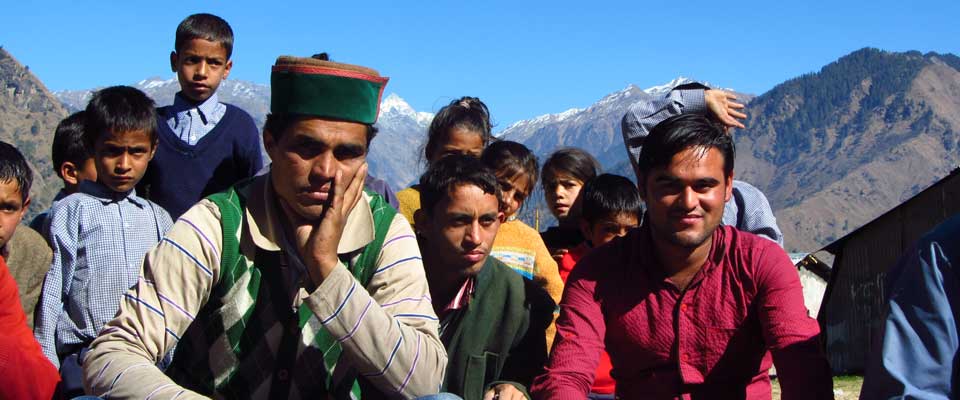
SOPHIA works with communities in Uttarakhand, Himachal Pradesh, and Uttar Pradesh to connect sustainable pastoral livelihoods with indigenous rights, forest access, and local economic development. Its rights-based approach reflects the organization’s guiding principles, including participation, dignity, equity, and community-led action.
Why buffaloes matter to rural households
Buffalo milk is valued for its high fat content and can create a dependable source of cash. Even when families have limited land or few employment opportunities, a healthy animal may generate daily milk sales and provide a productive asset that can be passed between generations.
Buffalo rearing also supports household resilience. Manure can enrich fields and reduce dependence on chemical inputs, while calves contribute to the future strength of the herd. For mobile pastoralists such as the Van Gujjar community, livestock ownership is closely linked with culture, identity, and access to traditional grazing landscapes.
Women’s work and hidden economic value
Much of the labor behind dairy production is performed by women but remains unpaid or underrecognized. Daily tasks include cutting grass, gathering leaves, cleaning shelters, preparing feed, milking, and monitoring animal health. Recognizing this contribution is essential to designing fair livelihood programs.
Economic empowerment begins when women can control part of the income generated from milk and livestock. Access to bank accounts, producer groups, savings circles, and transparent household budgeting can help women turn routine animal care into greater financial security and stronger participation in family decisions.
Improving animal health and dairy productivity
Better buffalo husbandry does not always require expensive technology. Clean water, balanced feed, shade, hygienic milking practices, timely vaccination, and regular veterinary support can improve animal welfare and milk yields. Training should be practical, locally relevant, and available in forms that fit women’s schedules.
Community animal health workers can help families identify illness early, manage breeding, and reduce preventable losses. Local knowledge should be respected alongside veterinary guidance, particularly in pastoral settlements where distance, migration, and difficult terrain can limit access to formal services.
| Area of support | Benefit for buffaloes | Benefit for women and families |
|---|---|---|
| Fodder planning | More consistent nutrition | Less time spent searching for feed |
| Veterinary outreach | Earlier treatment and lower mortality | Reduced financial shocks |
| Hygienic milking | Safer, better-quality milk | Improved market value |
| Producer groups | Shared knowledge and services | Stronger bargaining power |
| Savings and credit | Capacity to invest in animals | Greater control over income |
| Milk collection systems | Reliable sales channels | More predictable household earnings |
Building fairer milk markets
Small producers often lose income because they sell individually, lack storage, or have little information about prices. Collective milk marketing can improve bargaining power by bringing producers together, organizing regular collection, and creating clearer payment systems based on quantity and quality.
Women’s dairy groups can also explore value-added products such as ghee, paneer, curd, and traditional preparations. Small-scale processing requires attention to hygiene, packaging, transport, and market demand, but it can retain more value within the community and create roles in bookkeeping, quality control, and sales.
Linking livelihoods with rights and inclusion
A livelihood program is strongest when it recognizes the legal and social conditions shaping pastoral life. Forest access, domicile rights, grazing routes, education, healthcare, and documentation all affect whether families can maintain healthy animals and reach markets.
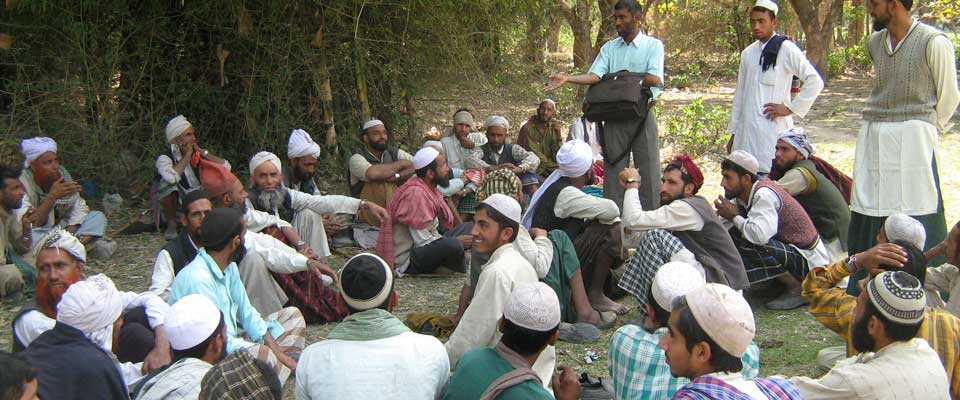
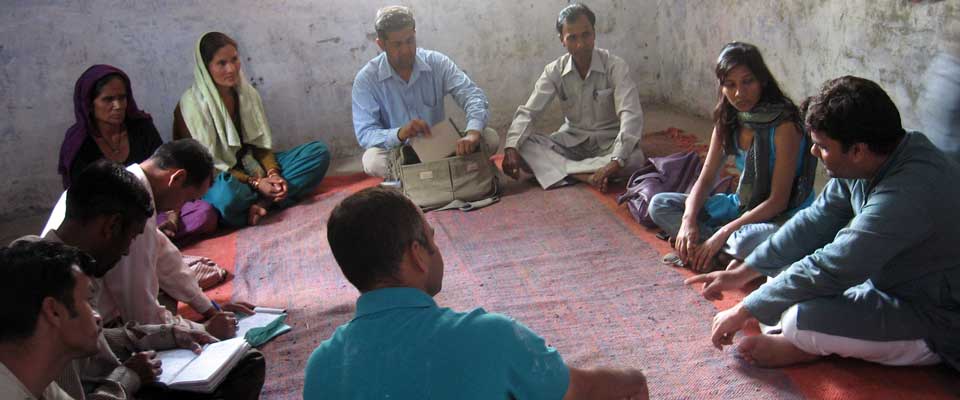
Community meetings should include women, young people, landless households, and families living in remote settlements. Social mobilization and dialogue with government departments can help address gaps in veterinary services, fodder resources, identity documents, and access to public schemes without weakening local leadership.
Practical priorities for lasting impact
Programs supporting women’s dairy livelihoods can focus on a small number of connected actions:
- Provide regular training in buffalo nutrition, animal health, clean milking, and calf care.
- Establish women-led savings, dairy, or livestock groups with transparent records.
- Improve access to veterinary camps, vaccination, breeding services, and emergency referrals.
- Support fair milk collection, price information, local processing, and reliable transport.
- Include forest rights, pastoral mobility, household decision-making, and financial literacy in livelihood planning.
When women gain skills, assets, market access, and a recognized role in decisions, buffalo rearing becomes more than a survival activity. It can support dignity, community resilience, and locally rooted economic growth while protecting the knowledge and livelihoods of Himalayan pastoral families.
SOPHIA’s work offers a way to connect animal care with rights-based development and collective empowerment. Support its community partnerships, learn more about its projects, and help expand opportunities for women who sustain their households and pastoral traditions through buffalo husbandry.