



What Land Titling Means for a Van Gujjar Settlement
For a Van Gujjar settlement, land titling is far more than a government formality. It can determine whether families are recognised as legitimate residents, whether they can continue seasonal movement, and whether their homes, grazing routes and buffalo-based livelihoods have a secure future.
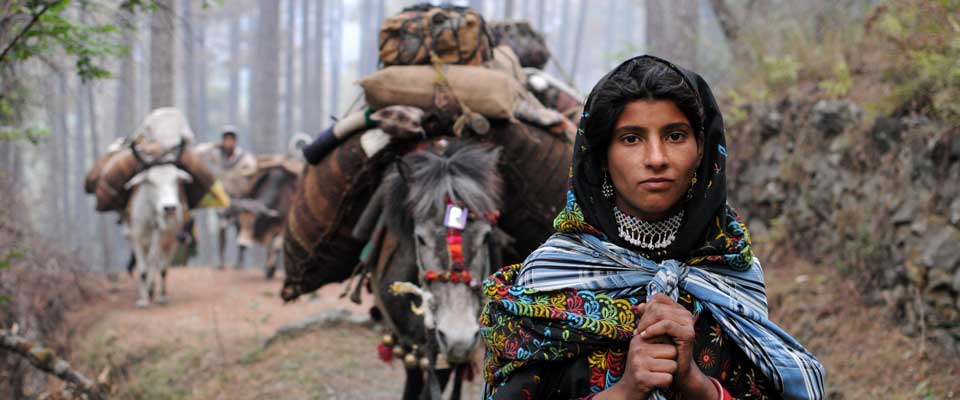
Van Gujjar communities have long lived and worked in the forests and foothills of northern India. Their customary relationship with land includes pastoral migration, access to water, collection of forest resources and shared knowledge passed between generations. When official records fail to reflect that reality, families can face uncertainty even in places where they have lived for decades.
A land rights project therefore begins with listening. Community members describe settlement histories, identify customary boundaries and document the practical uses of land. This evidence can help transform an informal claim into a rights-based case that government departments are able to assess.
The experience has relevance beyond Uttarakhand, Himachal Pradesh and Uttar Pradesh. In Australia, conversations about “Country”, native title and a fair go also recognise that formal ownership records do not always capture Indigenous relationships with place. For supporters in Melbourne, Canberra or regional New South Wales, SOPHIA’s work offers a grounded example of community-led advocacy.
Beginning with community knowledge
A successful land titling project does not treat a settlement as an empty parcel on a map. It starts with residents’ own accounts: when families arrived, where they built homes, which paths they use, and how grazing and water access are shared. Elders and women often hold important knowledge about seasonal movement, household boundaries and resources.
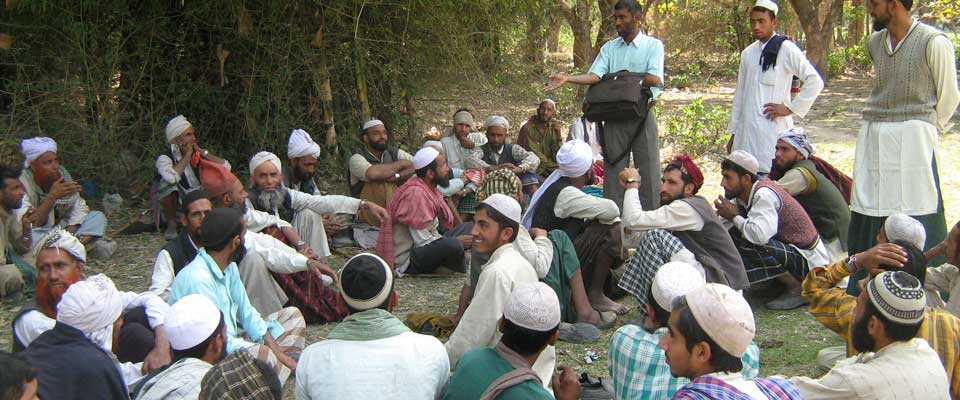
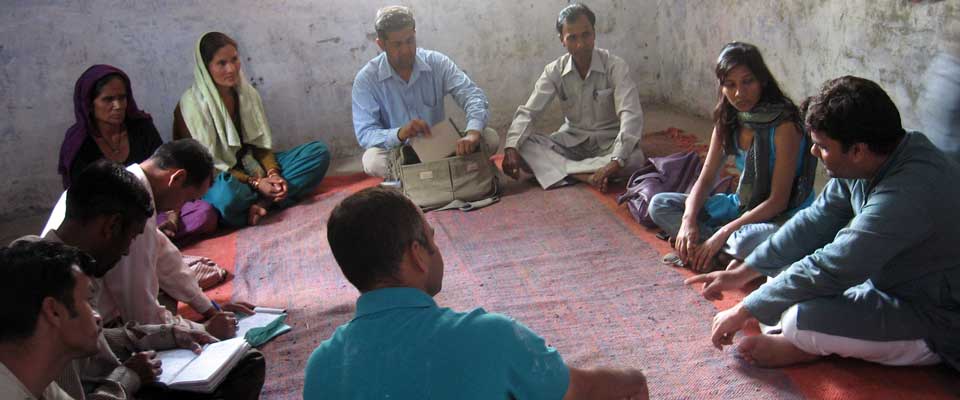
Community meetings create a space for that knowledge to be recorded collectively. Maps may be drawn by hand, documents gathered, and local concerns discussed before any application moves forward. This process helps prevent one person’s claim from replacing a settlement’s shared understanding.
Turning lived experience into evidence
Official recognition usually requires more than verbal testimony. Families may need identity records, residence documents, photographs, revenue papers, forest correspondence or other material showing long-term occupation and use. A rights-based organisation can help residents understand what is relevant and organise it into a clear submission.
This stage can be slow because several departments may hold different pieces of information. Forest administration, revenue officials and local authorities may use separate procedures. Careful documentation gives the community a stronger basis for follow-up meetings and reduces the risk that its history will be overlooked.
Working through government processes
Land titling is shaped by policy, local administration and the willingness of officials to engage. Community representatives may need to attend hearings, submit written requests, clarify boundaries and respond to objections. Training in public speaking and record-keeping can make these encounters less intimidating.
SOPHIA’s role is to support communities rather than speak over them. Social mobilisation, advocacy and engagement with government can open channels for dialogue, while residents remain central to decisions about their homes and pastoral future. Progress may come through several small administrative steps rather than one dramatic announcement.
Protecting livelihoods alongside land rights
A title or recognised settlement right matters because it can support everyday economic security. Van Gujjar families depend heavily on buffalo husbandry and milk sales, so secure access to housing, fodder, water and movement routes directly affects household income.
Land recognition also needs to work with conservation. Sustainable grazing, forest stewardship and agreed community rules can help balance livelihood needs with ecological responsibilities. This is particularly important where pressure on forests is increasing and where outside decisions may restrict customary pastoral practices without offering realistic alternatives.
What the project teaches supporters in Australia
Australian audiences may recognise familiar themes in this experience. The language of “on Country” is now common in schools, councils and community organisations, while native title processes show how difficult it can be to align cultural connection with administrative evidence. In Canberra, policy discussions often focus on legal recognition; in remote and regional areas, people see how land access affects housing, transport and work.
There are also lessons for ethical markets. A Melbourne buyer looking for responsibly produced goods may expect traceability, fair returns and clear community benefit. Van Gujjar milk marketing raises similar questions: who controls the supply chain, who receives the value, and whether improved market access strengthens or weakens pastoral independence.
Practical ways to stand with community rights
Support is most useful when it reinforces local leadership and long-term capacity rather than creating dependency. Organisations, researchers and individual advocates can contribute by sharing accurate information, respecting community consent and recognising that administrative change often takes time.
For people in Australia, useful engagement can include learning about forest and domicile rights, following credible updates, and connecting community-led work with fair-trade, Indigenous rights and sustainable livelihood networks. The following principles help keep that support responsible:
- Centre Van Gujjar voices in research, fundraising and public communication.
- Treat community knowledge as valuable evidence, with consent before sharing it.
- Support legal literacy, women’s participation and local leadership training.
- Promote milk and pastoral livelihoods through fair, transparent market relationships.
- Avoid presenting land titling as a quick fix for wider social and economic pressures.
A settlement’s experience with land titling is ultimately a story of recognition: recognition of residence, work, culture and responsibility for the landscape. When documentation is combined with community organising, families gain a stronger platform from which to negotiate with authorities and protect their future.
Readers can support this work by learning about Van Gujjar rights, sharing credible information and connecting with organisations that place community decision-making at the centre of development. Through informed partnerships and sustained attention, land rights can become a foundation for secure livelihoods and dignified pastoral life.