


Three Generations Walking the Himalayas: A Van Gujjar Migration Story
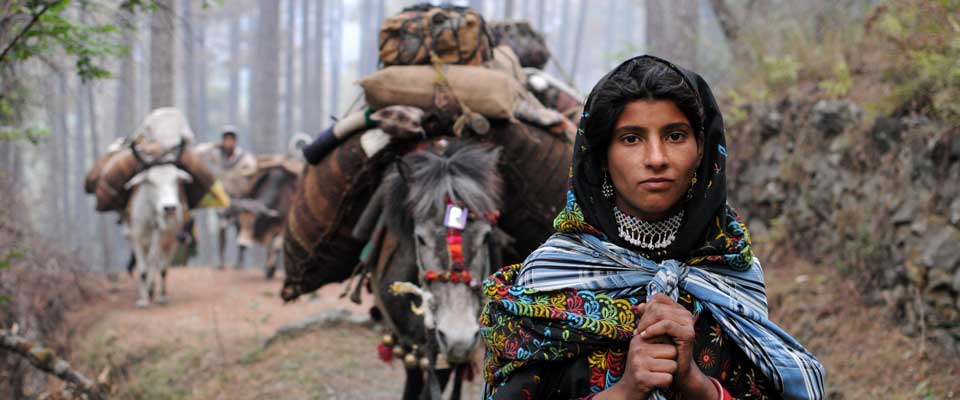
For more than a century, the Van Gujjar community has followed its buffalo between the alpine meadows of the Himalayas and the lower forests of the Shivalik foothills. Each spring, families pack their dawaras — canvas-and-mat huts — load belongings onto bullocks, and walk the ancient pora paths that thread through Uttarakhand, Himachal Pradesh, and western Uttar Pradesh. SOPHIA has walked alongside these families for years, documenting journeys, securing forest and domicile rights, and supporting dairy livelihoods that sustain hundreds of households.
The story of one extended family — grandparents who tended buffaloes above the tree line, parents who settled briefly in the plains to put children through school, and grandchildren now navigating university life in Dehradun — mirrors the wider transformation of pastoral communities worldwide. In Australia, country towns like Katherine in the Northern Territory or Mudgee in New South Wales have watched similar shifts as remote cattle stations modernise and as First Nations pastoral workers reshape land ownership under the Native Title Act 1993. The parallels between Himalayan pastoralists and outback station families are closer than they first appear.
What follows is a single family's account — names changed at their request — gathered across three winters of field visits by the SOPHIA team in the forests of Pauri Garhwal and the high-altitude grasslands near the Bhyundar valley. Their journey is a window onto a way of life that policy makers, conservation programmes, and dairy markets are only now beginning to recognise.
Grandfather Ibrahim's Summer in the High Meadows
Ibrahim, now in his late seventies, remembers the ten-day climb to the bugyal — the high Himalayan pastures above three thousand metres — as an unbroken line of buffalo calves, milky dawns, and smoked tea. The family would leave their winter settlement near the Ramnagar forest division in early May, when the snow line retreated past the oak forest and the first rhododendrons broke into bloom. In those years, the migration was a solitary affair: a few elders, a couple of hired herders, and the slow rhythm of cheese-making, milk storage in bark buckets, and the drying of clarified butter for the winter markets.
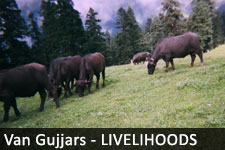
The buffalo — the Kundhi and Murrah breeds that today supply much of North India's dairy — depend on the high pastures' alpine grasses and medicinal herbs. Without that summer grazing, milk yields drop sharply and the herd's breeding cycles falter. Ibrahim recounts with quiet pride that his grandfather had once counted nearly two hundred head in the family's summer camp, a number unimaginable now that forest corridors are fragmented by road widening and by buffer zones carved out for tiger reserves.
The Middle Generation Between Forest and Foothill
When Ibrahim's son Rashid was twelve, the family began spending longer winters in the lower forests around Laldhang and Kotdwar, partly to escape frosts that grew harsher and partly because Rashid was attending a government school in Najibabad for the first time. The transhumance cycle shortened but did not disappear; Rashid still climbs to a rented summer grazing area near Kunjapuri with seventy buffaloes each May.
This compromise mirrors what Australian outback families have long negotiated between station life and town schooling. The pastoral calendar around Longreach or Broome requires children to board in Brisbane, Perth, or even Adelaide from the age of eight, while parents continue mustering in remote paddocks. Rashid's adult life, shaped by split households — school books in one bag, a milking pail in another, and a long jeep ride twice a year through the sal forests — echoes that familiar rhythm.
Grandchildren, Universities and the Pull of the Plains
Rashid's daughter Mehnaz is the first in the family to hold a graduate degree, having completed a Bachelor of Rural Science from HNB Garhwal University. Her brother Imran, two years younger, finished a dairy technology diploma from the Indian Council of Agricultural Research institute in Karnal and now works as a collection point manager for a private dairy processor. Both siblings speak of a profound tension: the certainty of a formal salary in a Plains town like Saharanpur versus the call of the forest and the freedom of the summer pasture.
That tension is not unique to the Shivalik. In Australia, young Aboriginal stockmen and pastoral workers are increasingly choosing professional pathways — in Indigenous land management, conservation, or stock agency work — while still returning each year for cultural business on country. Mehnaz's choice to volunteer with SOPHIA's documentation team during her breaks mirrors the way young Aboriginal rangers on Cape York combine university study with on-country responsibilities.
Buffalo, Milk and the Remaking of a Local Dairy Economy
Across the three generations, the family's relationship with milk has changed more than anything else. Ibrahim sold surplus ghee to itinerant traders who carried it on mules to the markets of Haridwar; Rashid began delivering fresh milk to a chilling centre opened by the state's dairy development department in 2009; Imran now supplies a private processor with refrigerated tankers. Each shift has improved cash flow but has also pulled the family further into a cash economy vulnerable to fodder price spikes and seasonal drought.
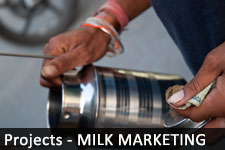
SOPHIA's buffalo husbandry and milk marketing programme supports families through this transition with veterinary camps, fodder seed banks, and training in cooperative management modelled on the principles that guide Australia's well-known farmer-owned dairy structures, including the member-led legacy of Murray Goulburn and the governance norms of the Australian Dairy Farmers federation.
Rights, Recognition and a Family's Resilience
The migration that once brought Ibrahim's family across vast tracts of public forest is now shaped by a tangle of forest conservation rules, wildlife protections, and a newly enforceable claim under the Forest Rights Act 2006. SOPHIA has helped the family prepare claims for both individual homestead plots and community grazing grounds, a process complicated by overlapping claims and bureaucratic inertia. The work takes patience: similar claims under Australia's Native Title Act have unfolded over decades, with the Mabo decision in 1992 followed by years of painstaking tribunal work before pastoral land in Queensland and Western Australia was returned to its traditional custodians.
Ways to Walk Alongside the Van Gujjars
- Sponsor a veterinary camp for one summer migration season, covering vaccines, de-worming, and on-site training for herders.
- Contribute to the fodder seed bank so families can weather drought years without selling breeding stock.
- Donate warm blankets and school kits for children who board in foothill hostels during the school terms.
- Support documentation work that helps community claims under the Forest Rights Act advance through the system.
- Share the family's story at your local farmers' market or community gathering — from Brisbane's Powerhouse markets to Hobart's Farm Gate, audiences respond strongly to first-hand migration accounts.
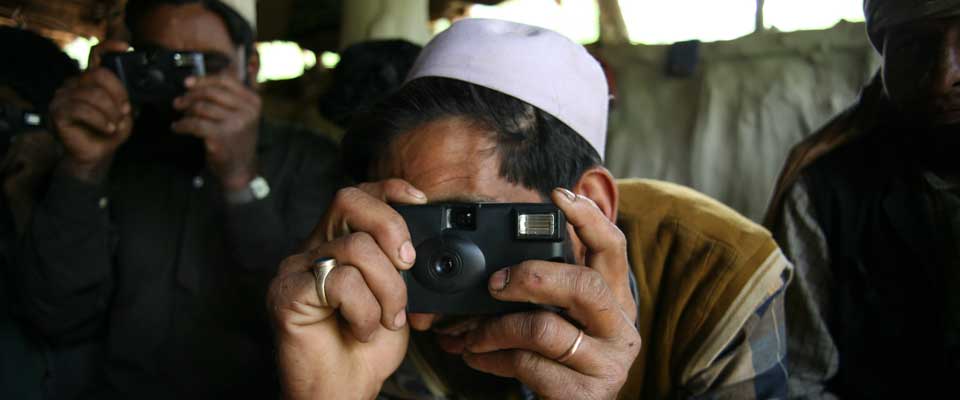
- Volunteer remotely as a translator or as a research assistant for SOPHIA's photo and oral history archive.
- Encourage Australian schools with sister-school programmes to partner with foothill government schools serving Van Gujjar children.
If this story resonated with you — whether you read it from a terrace in Sydney, a wheat-belt kitchen in Canberra, or a coastal cottage in Darwin — join SOPHIA's circle of supporters. A monthly gift, a one-off donation, or simply sharing this article with your network helps families like Ibrahim's keep moving with dignity, security, and the documents they need to call their forests home. Visit our Get Involved page to begin.