


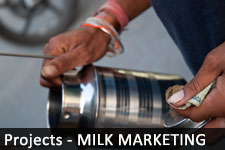
A Van Gujjar Buffalo Breeder And His Herd Records
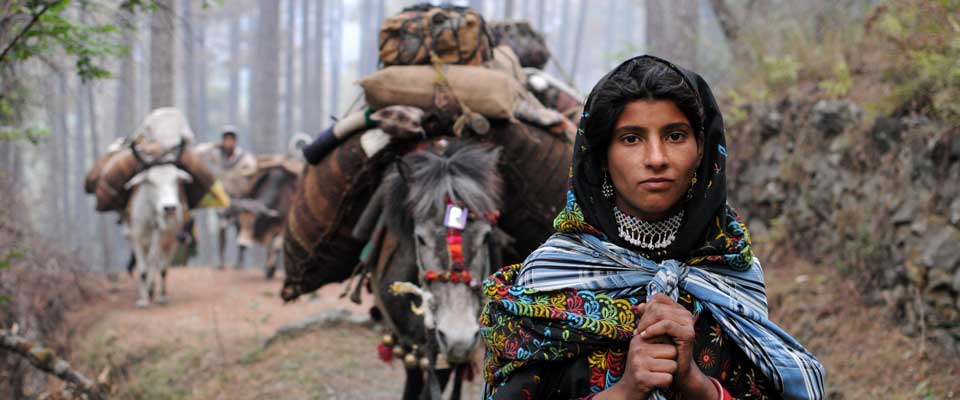
Before dawn in the Himalayan foothills, a Van Gujjar buffalo breeder checks his animals by sight, sound and touch. He notices which buffalo rises slowly, which calf stays close to its mother and which animal has eaten less than usual. These observations form a practical record of herd health, movement and household security.
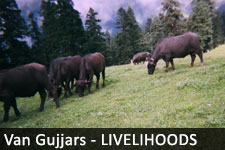
For pastoral families, buffaloes are more than livestock. They provide milk, calves, manure and an income that travels with the household as families move between seasonal grazing areas. Herd management is closely connected with forest access, customary routes, community knowledge and the right to maintain a pastoral livelihood.
A written ledger may look simple beside a digital farm-management app used by some Australian producers. Yet it can hold valuable information: breeding history, calving dates, milk yields, illness, medicines and sales. For a breeder working in remote terrain, this record supports decisions when veterinary services, roads and markets are far away.
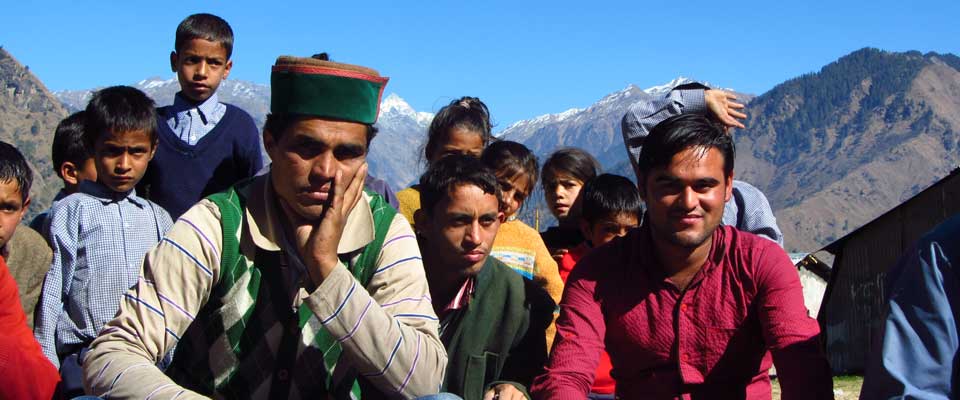
SOPHIA works with Van Gujjar and Himalayan village communities to strengthen rights, sustainable livelihoods and local leadership. A profile of one buffalo breeder and his herd records helps show how community knowledge and careful documentation can support dignity, resilience and better engagement with public services.
A Herd Shaped By Seasonal Movement
The breeder’s year follows the ecological rhythm of the mountains. During warmer months, the family moves towards higher forest pastures, where buffaloes can graze on grasses, shrubs and other available forage. When winter arrives, the household returns towards lower areas with more accessible water and shelter.
This movement requires planning. The family must know where the herd can feed, when a route is safe, and how long the animals can remain in a particular area. The record book becomes a memory aid, especially when several generations share responsibility for the buffaloes.
The Breeder Behind The Records
He learned animal care from older relatives, beginning with tasks such as cleaning sheds, guiding buffaloes to water and watching for signs of illness. His knowledge is practical and detailed. He can distinguish normal changes in appetite from symptoms that require treatment, and he understands which animals cope best with difficult terrain.
His work also includes negotiation. Access to forests, transport, milk buyers and government schemes may depend on documents and communication with officials. Like a family farmer attending a local show or produce market in regional Australia, he must combine animal husbandry with business judgement, though his herd operates within a far more mobile and forest-dependent system.
What The Herd Ledger Captures
A useful record does not need complicated language. It needs consistent entries that can be checked by the breeder, family members and community workers.
- Buffalo identification, age, colour and distinguishing marks
- Calving dates, calf survival and breeding history
- Daily or seasonal milk quantities and sales
- Illness, treatment, vaccination and recovery
- Grazing locations, feed conditions and unusual events
Over time, these entries reveal patterns. A breeder may identify which buffalo produces reliably, which animal is vulnerable after calving, or when milk supply usually falls. The information can improve household budgeting and help community groups explain their needs to veterinary departments and other authorities.
Reading Health Through Daily Observation
Herd records work best when combined with close observation. A buffalo’s body condition, coat, posture, dung, appetite and movement can indicate whether it is thriving. Recording these details makes traditional knowledge easier to share with younger family members and community animal-health workers.
This approach has parallels with responsible livestock care in Australia, where producers monitor animals during heat, drought and long-distance transport. The Himalayan context is different, with steep paths and seasonal migration, but the principle is familiar: early attention can prevent a small health problem from becoming a serious loss.
Milk, Markets, And Household Security
Milk sales provide cash for food, clothing, education, transport and animal medicines. The breeder may sell to local collectors or directly within nearby settlements, depending on the season and access to roads. Prices can change quickly, so a simple production record helps the family understand whether feed, labour and transport costs are being covered.
Australian readers may recognise the pressure of fluctuating supermarket prices, farm-gate returns and the preference for local produce at farmers’ markets in Melbourne, Sydney or regional towns. For a Van Gujjar household, the market is usually smaller and less predictable, making reliable records especially important.
- Compare milk output across buffaloes and seasons
- Track cash received from milk, calves and animals
- Note expenses for feed, medicines and transport
- Plan for low-production months and emergencies
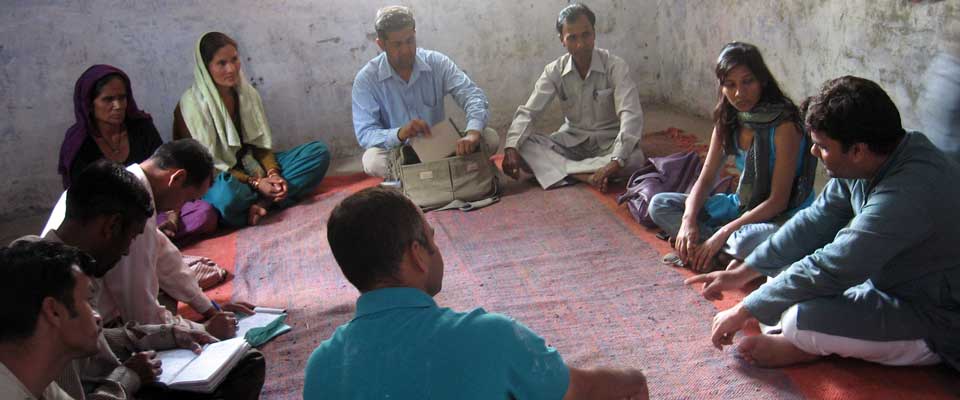
Better records can also support collective action. When several breeders document production and costs, a community may be in a stronger position to discuss fair milk collection, veterinary outreach or improved transport with government agencies and buyers.
Why Individual Records Matter To The Community
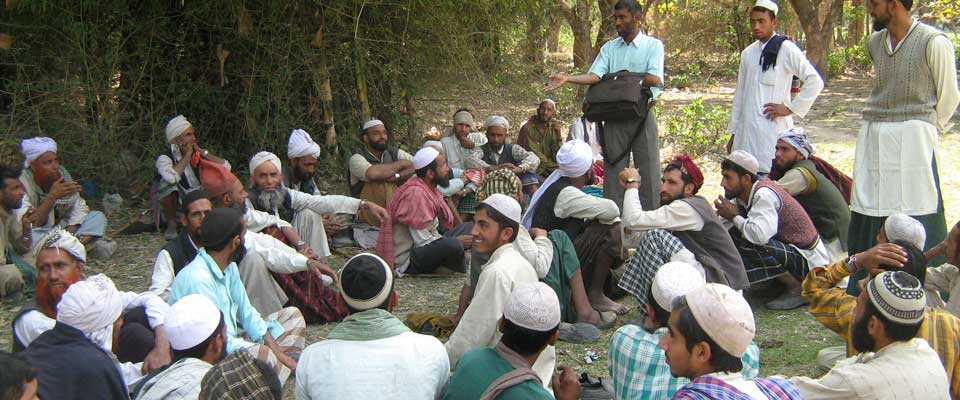
A single herd record tells a personal story, but many records can show wider trends. They may reveal declining grazing access, recurring disease, water shortages or barriers to market participation. Community organisations can use this evidence in advocacy while respecting the privacy and authority of the families involved.
Documentation must never replace community consent or local knowledge. It should support Van Gujjar voices in discussions about forest rights, domicile rights, pastoral mobility and sustainable buffalo husbandry. SOPHIA’s rights-based work connects these household realities with social mobilisation, partnerships and government engagement.
The breeder’s ledger is therefore more than a farm note. It is a tool for caring for animals, planning family finances and preserving knowledge across generations. Supporting such practical systems helps communities build stronger livelihoods without separating development from culture, movement and rights.
Support SOPHIA by learning about its work with Van Gujjar and Himalayan communities, sharing its stories responsibly, and contributing to projects that strengthen pastoral livelihoods, buffalo care and community-led advocacy. Local support—from Australia’s cities, regional towns and farming communities—can help ensure that indigenous families remain at the centre of decisions affecting their land and future.