


A Photo Essay: The Van Gujjar Winter Camp in the Foothills
As winter settles over the Himalayan foothills, Van Gujjar families move with their buffaloes toward seasonal camps in forest-edge landscapes. Their migration follows pasture, water, weather, and generations of pastoral knowledge.
A winter camp is a place of work and belonging. It is where milk is collected, children grow familiar with forest paths, elders share memories, and families maintain a close relationship with their animals and surroundings.
These photographs offer a respectful glimpse into everyday life. They show movement, care, labour, and community while recognizing that Van Gujjar culture cannot be separated from questions of forest access, domicile, education, and livelihood security.
Where The Winter Camp Begins
The camp takes shape around practical needs. Shelters are arranged near grazing routes and water sources, while cooking spaces, animal enclosures, and household areas reflect the rhythm of mobile pastoral life. Materials are used carefully, often adapted to the landscape and the season.
Morning light reveals the first movement of the day: smoke rising from a cooking fire, buffaloes being checked, and family members preparing for grazing and milk-related work. The scene is quiet, but the work begins early.
Frame: A row of temporary shelters at the forest edge, with winter sunlight touching the surrounding foothills.
Following Pasture And Water
Seasonal migration is a form of environmental knowledge. Van Gujjar families read the condition of grasslands, the availability of water, and changes in temperature when deciding where to stay. Their routes connect forest areas, village markets, and traditional grazing grounds.
The journey can involve long distances and uncertain access to common resources. Forest regulations, restricted pathways, changing land use, and limited public services may affect how safely and freely families can move. Community rights and recognition of pastoral livelihoods are therefore central to the future of the camp.
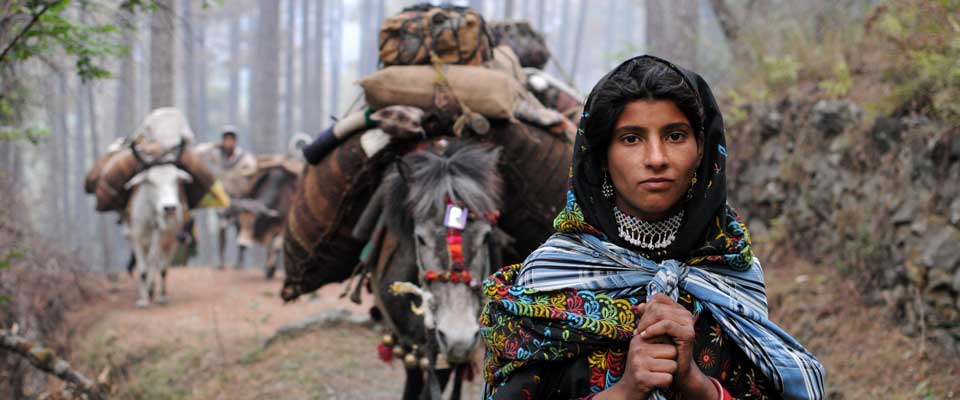
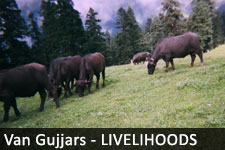
Frame: Buffaloes moving along a narrow track while a family member guides the herd through the foothill landscape.
The Daily Work Of A Pastoral Household
Buffalo husbandry shapes the day. Animals are fed, watered, cleaned, and guided to grazing areas. Families observe their health closely because the wellbeing of the herd is closely connected to household income, food, and mobility.
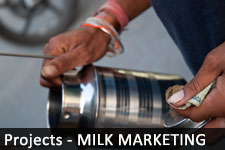
Milk marketing adds another layer of work. Fresh milk may travel from the camp to nearby buyers or collection points, with timing and transport affecting its value. Stronger producer networks, fair prices, veterinary support, and reliable market links can help pastoral households protect their livelihoods.
| Part of Camp Life | What The Image May Show | Why It Matters |
|---|---|---|
| Herd care | Feeding, watering, or grooming buffaloes | Animal health supports food security and income |
| Milk work | Milking vessels and early morning routines | Milk connects household labour with local markets |
| Seasonal movement | Families, animals, and belongings on a route | Migration sustains access to pasture and water |
| Community space | Shared work, conversation, or children at play | Social ties help families manage seasonal life |
| Forest relationship | Grazing areas, paths, and nearby woodland | Access to forests influences culture and livelihood |
Buffaloes At The Heart Of The Camp
For Van Gujjar families, buffaloes are more than productive assets. They are part of household identity, daily routines, and long-term planning. Care passes between generations, with children learning through observation and participation.
A close photograph of a buffalo’s face, a tether being adjusted, or hands preparing feed can tell a larger story. It brings attention to the patient labour behind milk production and to the knowledge required to maintain a herd in a changing environment.
Frame: A young family member standing beside a buffalo, learning the careful routines of animal care.
Community, Rights, And Belonging
The winter camp also carries questions of citizenship and recognition. Access to identity documents, schooling, healthcare, social protection, forest rights, and domicile rights can influence whether families are able to secure stable services while maintaining their pastoral way of life.
Rights-based work begins with listening to community priorities. Organizations such as SOPHIA support social mobilization, advocacy, government engagement, and partnerships that help Van Gujjar and Himalayan village communities speak for themselves and strengthen their position in decisions affecting their future.
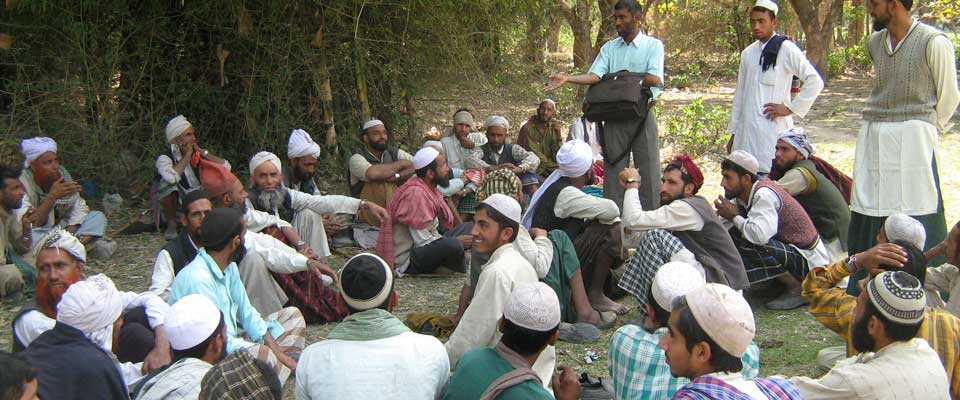
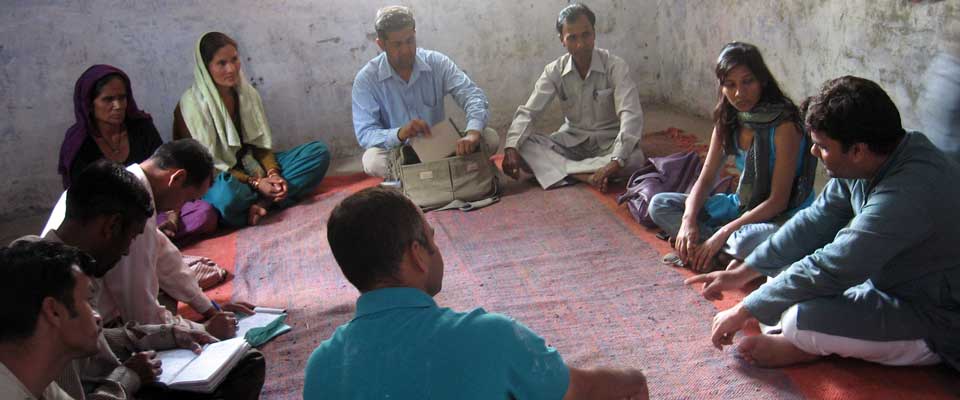
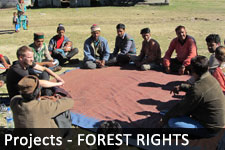
Frame: Community members gathered in conversation, sharing information and discussing local concerns.
Looking Closely And Respectfully
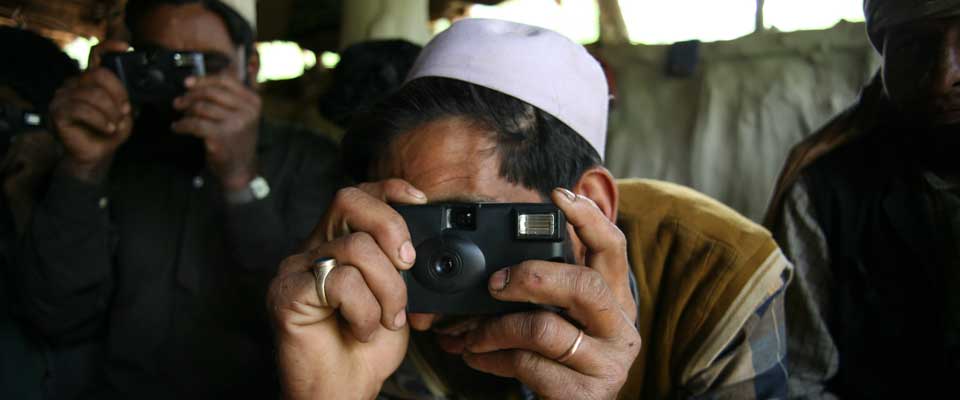
A photo essay should protect dignity as carefully as it records detail. Images are strongest when they are made with consent, accurate context, and attention to the people whose lives they represent.
For visitors, supporters, and partners, meaningful engagement can begin with practical forms of solidarity:
- Learn about Van Gujjar history, pastoral traditions, and forest-based livelihoods.
- Share stories that centre community voices rather than treating migration as spectacle.
- Support fair milk marketing, veterinary access, education, and rights-based initiatives.
- Follow updates from SOPHIA and contribute skills, funding, or responsible partnerships.
- Use photographs with permission and identify locations and people respectfully.
The winter camp is both seasonal and enduring. Its shelters may move, but the relationships between families, buffaloes, forests, and foothill villages continue across generations.
Support SOPHIA’s work with Van Gujjar and Himalayan communities by learning from their experiences, sharing their stories responsibly, and contributing to projects that advance rights, sustainable livelihoods, and community-led development.