



A Day in the Life of a Van Gujjar Buffalo Herder
For a Van Gujjar family, the day begins before the Himalayan foothills grow bright. Buffaloes must be milked, calves checked, fires prepared, and household tasks completed before the herd moves toward grazing grounds. This daily rhythm is shaped by close knowledge of animals, forests, weather, and seasonal migration routes.
Van Gujjars are traditionally pastoral communities who depend on buffalo husbandry, forest resources, and milk marketing. Their work is physically demanding, yet it also reflects a carefully maintained relationship with the landscape. Each journey through the forest carries practical knowledge passed between generations.
Before Sunrise In The Forest Settlement
The first sounds are often the movement of buffaloes and the soft calls used to calm them. A herder checks each animal for signs of illness, injury, pregnancy, or difficulty walking. Calves may be fed before the household begins milking, while older buffaloes are guided into position.
Milking requires patience and familiarity. The quality and quantity of milk can vary with feed, water, health, and the stage of lactation. Once the milk is collected, it may be sold to a local buyer, carried to a nearby market, or used by the family. This income supports food, education, clothing, healthcare, and other household needs.
Following The Herd Through Familiar Paths
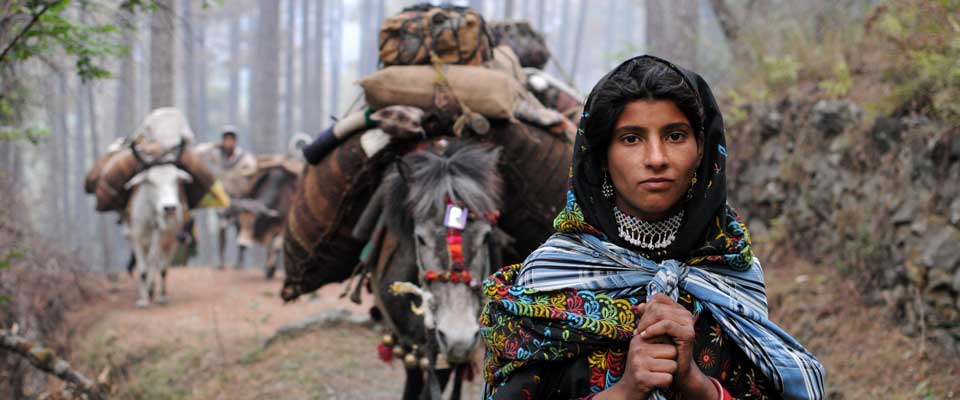
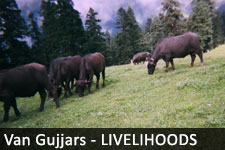
After morning chores, the herd moves toward grazing areas. The route may pass through forest clearings, riverbeds, steep slopes, or village edges, depending on the season and local access. A skilled herder watches the animals constantly, keeping younger buffaloes close and preventing the herd from entering unsafe or restricted areas.
Walking with buffaloes is also a form of environmental knowledge. Herders recognize fodder plants, water sources, changing soil conditions, and signs of wild animals. They understand when a slope is too fragile, when a stream is unsafe, and when rain may make a trail difficult. This knowledge supports both animal welfare and responsible use of common landscapes.
Buffalo Care At The Heart Of The Day
A buffalo herder’s responsibilities extend well beyond guiding animals to grass. Buffaloes need clean water, shade, salt or mineral support where available, and protection from parasites and disease. During hot periods, access to ponds, streams, or wallowing places becomes especially important.
Care continues when an animal is weak or injured. Families may use traditional knowledge, seek veterinary assistance, or coordinate with other community members for transport and treatment. Healthy buffaloes are central to household stability, so animal care is closely connected with livelihoods, food security, and dignity.
| Part of the day | Main responsibilities | Knowledge involved |
|---|---|---|
| Early morning | Milking, feeding calves, checking health | Animal behavior and buffalo care |
| Morning movement | Guiding the herd to grazing areas | Forest paths, fodder, and water sources |
| Midday | Resting animals and monitoring safety | Weather, shade, and landscape awareness |
| Afternoon | Returning, watering, and additional care | Herd management and route selection |
| Evening | Milking, selling milk, and securing animals | Milk handling and household planning |
Midday Rhythms And Shared Responsibility
By midday, the herd may pause in a shaded area while the animals rest and digest their food. The herder uses this time to inspect hooves, notice changes in behavior, and maintain awareness of nearby people or wildlife. Children and older family members may contribute according to their abilities, making pastoral work a shared responsibility.
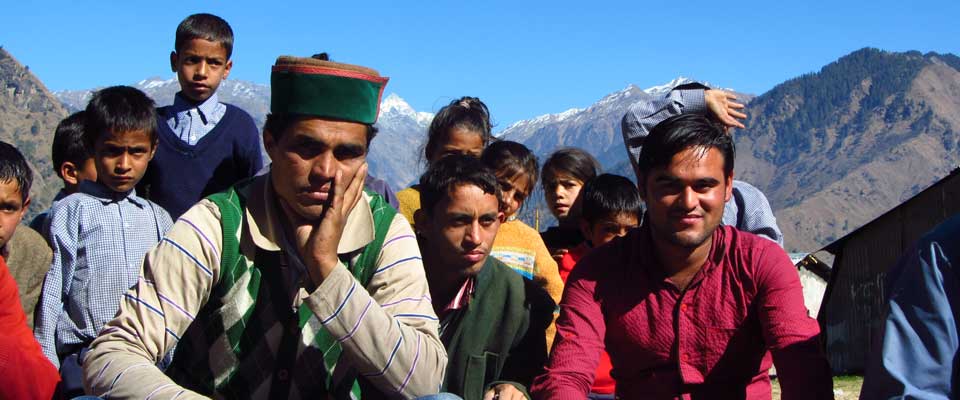
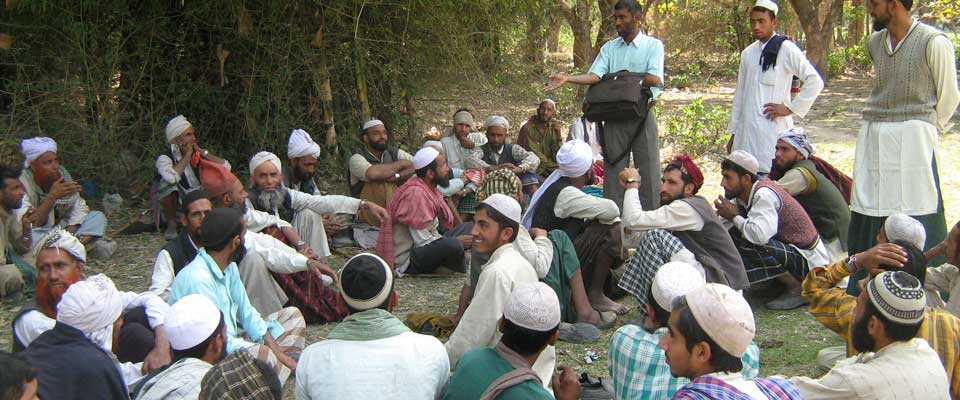
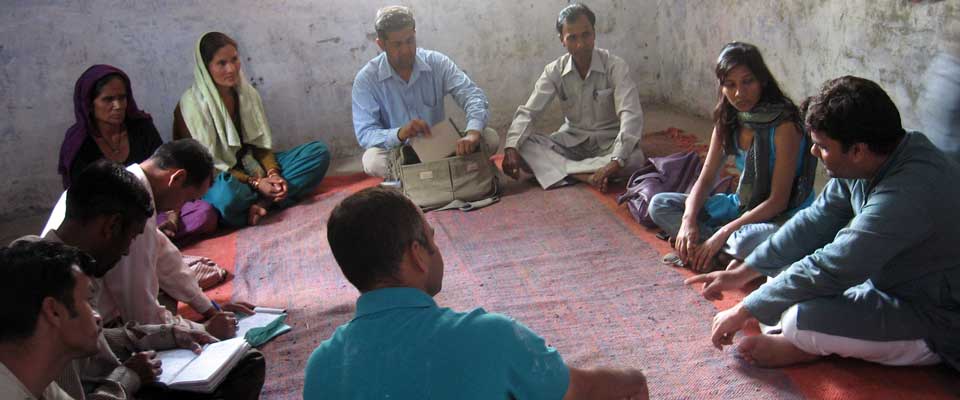
Community cooperation is important when families face illness, difficult weather, animal emergencies, or long journeys. Neighbors may exchange information about grazing conditions, market prices, forest access, or government services. These relationships strengthen the social systems that sustain Van Gujjar pastoral livelihoods.
Returning With The Changing Seasons
The daily route changes through the year. Seasonal migration between forest areas and village settlements helps families find suitable fodder and avoid extreme weather. In some locations, access to traditional grazing grounds has become more uncertain because of conservation restrictions, infrastructure, land-use changes, and unclear recognition of forest and domicile rights.
These pressures can affect both mobility and income. When a customary route is blocked, a family may spend more on fodder, travel farther for water, or struggle to reach a milk collection point. Rights-based support, social mobilization, and constructive engagement with government institutions can help communities protect lawful access and secure sustainable livelihoods.
Evening Work And Community Strength
At home, the buffaloes are watered, fed, and secured for the night. A second milking may take place, followed by cleaning utensils and preparing milk for sale or household use. Families discuss the next day’s route, animal needs, weather conditions, and any community matters that require attention.
The rhythm may appear simple from outside, but it depends on a wide range of skills: livestock management, navigation, negotiation, market awareness, forest knowledge, and care work. Recognizing these contributions helps challenge the idea that pastoralism is merely a traditional occupation. It is a living livelihood system with cultural, economic, and ecological value.
Ways To Stand With Pastoral Communities
- Learn about Van Gujjar history, indigenous rights, and seasonal pastoralism.
- Share accurate information about buffalo husbandry and forest-based livelihoods.
- Support initiatives that strengthen milk marketing, veterinary care, and community leadership.
- Follow rights-based work related to forest access, domicile recognition, and government services.
- Connect with SOPHIA to explore responsible partnerships, volunteering, or support.
A day alongside a Van Gujjar buffalo herder reveals how closely family welfare, animal care, and access to land are connected. SOPHIA works with Van Gujjar and Himalayan village communities across Uttarakhand, Himachal Pradesh, and Uttar Pradesh through advocacy, empowerment, partnerships, and engagement with public institutions. Visit SOPHIA’s website to learn about its communities, projects, media archive, and ways to support pastoral families in protecting their rights and future.