




Youth engagement in indigenous rights movements
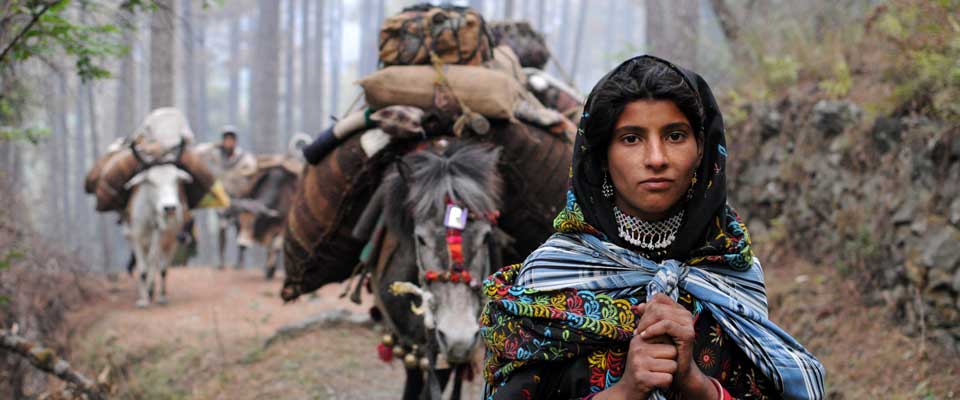
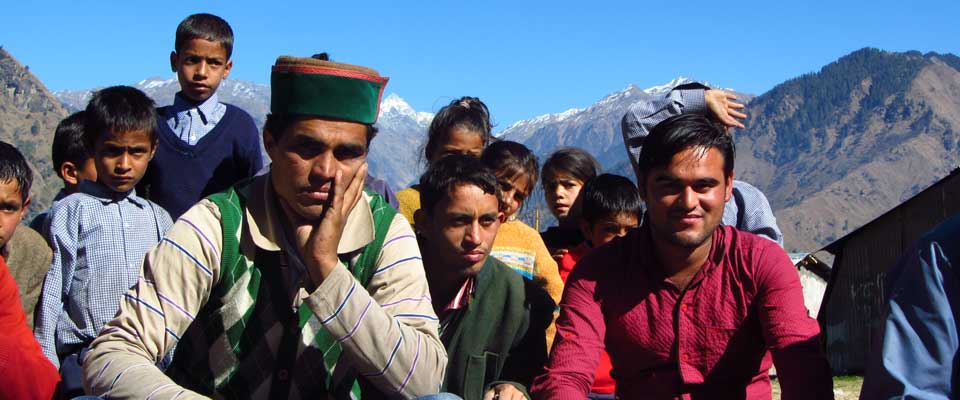
Across the Himalayan foothills, young people are helping their communities protect identity, livelihoods, and access to natural resources. For Van Gujjar and village youth, participation in rights-based work often begins with everyday concerns: forest access, education, documentation, fair milk prices, and the future of pastoral life.
Their involvement brings energy and new skills to community organizing. Young people can connect elders’ knowledge with digital communication, public advocacy, and practical research. When they are trusted as partners, indigenous rights movements become stronger, more inclusive, and better prepared for the future.
SOPHIA works with Van Gujjar and Himalayan village communities in Uttarakhand, Himachal Pradesh, and Uttar Pradesh. Its work creates opportunities for youth to understand their rights, support sustainable livelihoods, and take part in social mobilization, government engagement, and community-led development.
Why young people matter in rights-based work
Youth engagement gives communities a wider range of voices when decisions affect forests, grazing routes, settlement rights, and cultural traditions. Young people often move between rural communities, schools, workplaces, and online networks, allowing them to share local concerns with a broader audience.
They can also help document changes that older generations have witnessed over decades. Recording oral histories, mapping customary routes, collecting testimonies, and preserving photographs can support advocacy while protecting community memory. This knowledge is valuable when communities communicate with officials, researchers, or partner organizations.
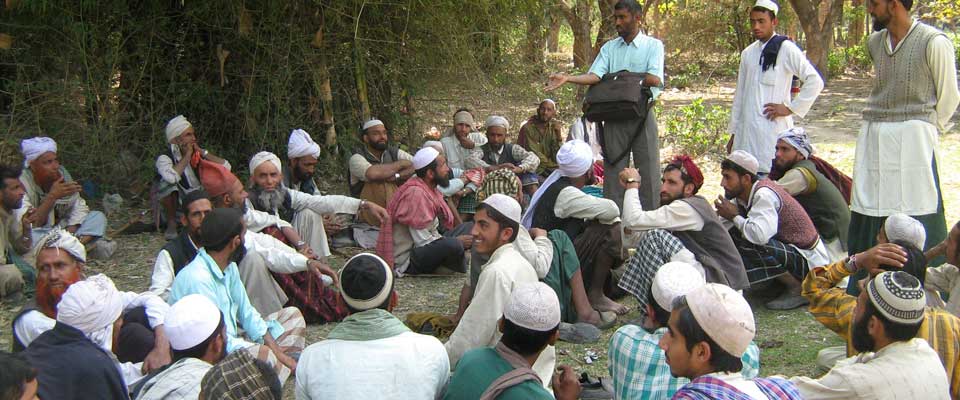
Meaningful participation requires more than inviting young people to meetings. They need access to information, opportunities to build confidence, and a genuine role in shaping priorities. Intergenerational dialogue helps ensure that new approaches respect local experience.
Learning indigenous and forest rights
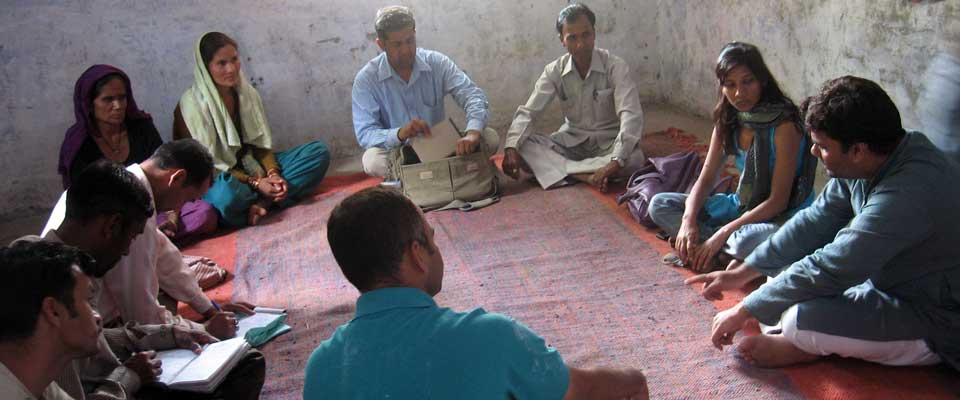
Rights education becomes more effective when it is connected to daily life. Workshops can explain forest and domicile rights through examples involving grazing, residence, buffalo husbandry, access to water, and the use of common resources. Young participants can then help translate complex policies into language their families and neighbors can use.
Youth volunteers may support applications, maintain community records, and help residents understand government procedures. These tasks can reduce dependence on outside intermediaries while developing practical skills in research, communication, and public administration.
SOPHIA’s rights-based approach can help young community members link local concerns with wider questions of indigenous identity, environmental justice, and equal citizenship. This connection encourages informed participation rather than short-term activism disconnected from community needs.
Digital storytelling and public advocacy
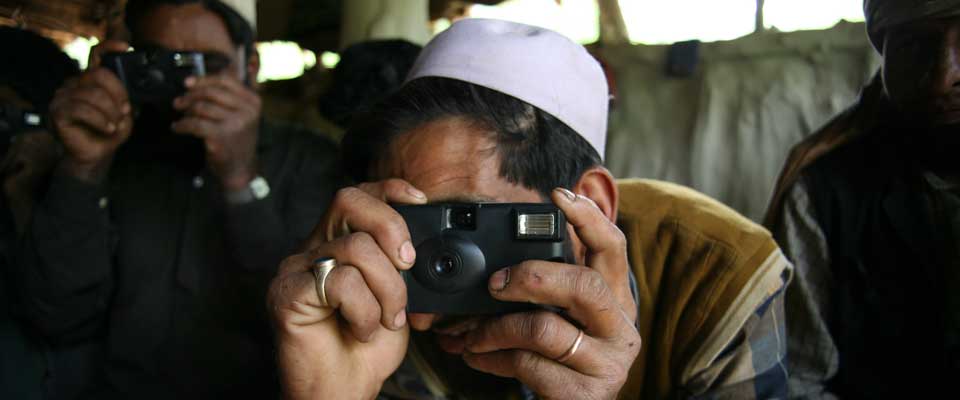
Mobile phones and affordable internet access have expanded the tools available to rural youth. Young people can produce short videos, record interviews, create photo archives, and share updates about community campaigns. Digital storytelling makes local experiences visible while allowing communities to present their own narratives.
Care is essential when working with sensitive information. Consent, privacy, cultural respect, and community approval should guide every publication. Youth training can cover safe documentation, responsible photography, fact-checking, and the risks of sharing personal details online.
Used thoughtfully, social media can support advocacy with government departments and build partnerships with NGOs, journalists, researchers, and supporters. Digital communication should strengthen face-to-face organizing rather than replace village meetings and collective decision-making.
Livelihoods, pastoralism, and leadership
For many Van Gujjar families, youth participation is closely connected to the future of pastoral livelihoods. Buffalo husbandry and milk marketing provide income, food security, and cultural continuity, yet young people may face pressure to leave their communities when local work appears uncertain.
Training in animal care, veterinary awareness, milk quality, cooperative marketing, and financial management can make traditional livelihoods more viable. Youth can also explore ways to improve market access without abandoning community values or sustainable use of grasslands and forests.
Leadership grows through responsibility. When young people help organize producer groups, coordinate meetings, or communicate with buyers and officials, they gain experience that benefits both their families and their wider community. Their leadership can bring fresh ideas to long-standing economic challenges.
Pathways from participation to leadership
Youth involvement can develop gradually, with each stage building confidence and accountability. A participant may begin by attending a rights awareness session, then assist with documentation, join a village committee, and eventually represent community priorities in public forums.
| Stage of involvement | Practical contribution | Skills developed |
|---|---|---|
| Listening and learning | Attend meetings and rights workshops | Awareness and confidence |
| Community support | Help with records, surveys, or applications | Organization and communication |
| Public engagement | Share concerns with officials and partners | Advocacy and negotiation |
| Local leadership | Coordinate campaigns or livelihood groups | Planning and accountability |
| Movement building | Mentor peers and connect communities | Collaboration and strategic thinking |
This progression should remain voluntary and community-led. Young people need space to make decisions, learn from mistakes, and receive guidance without being treated as symbolic representatives.
Building intergenerational solidarity
Indigenous rights movements are strongest when youth leadership complements the knowledge of elders. Older community members may understand customary practices, migration patterns, local histories, and relationships with forests. Young people can help preserve and communicate this knowledge through contemporary tools.
Regular intergenerational conversations can address tensions around education, migration, employment, and cultural change. Such discussions create room for different experiences while keeping community priorities at the center.
Partnerships with organizations like SOPHIA can provide training, facilitation, advocacy support, and links with government institutions. The goal is to help communities build their own capacity so that youth participation continues beyond a single project or campaign.
Practical ways to support youth participation
Organizations, community groups, and allies can make engagement more meaningful by:
- Creating safe spaces where young women and men can speak and lead.
- Offering training in forest rights, documentation, digital safety, and public advocacy.
- Connecting livelihood education with buffalo husbandry, milk marketing, and sustainable pastoralism.
- Providing small resources for community research, travel, communication, and local events.
- Recognizing youth contributions while keeping decision-making accountable to the community.
When young people gain knowledge and responsibility, they become an important bridge between community experience and public action. Their work can help protect rights, strengthen livelihoods, and carry indigenous identity into the next generation.
Support SOPHIA’s work by learning about its communities, projects, and partnerships, sharing community-led stories responsibly, and exploring ways to contribute time, skills, or resources. Youth voices deserve a meaningful place in the continuing movement for dignity, land, livelihood, and indigenous rights.