




Understanding the Forest Rights Act 2006: A Community Guide
The Forest Rights Act, 2006 (FRA) recognizes the rights of forest-dwelling communities whose lives, livelihoods, culture, and traditions are connected to forests. Officially known as the Scheduled Tribes and Other Traditional Forest Dwellers (Recognition of Forest Rights) Act, it seeks to correct the historical denial of customary forest rights.
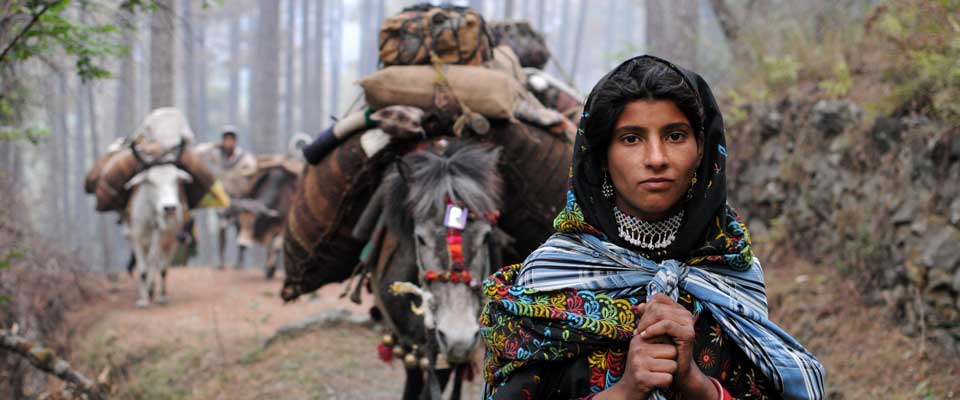
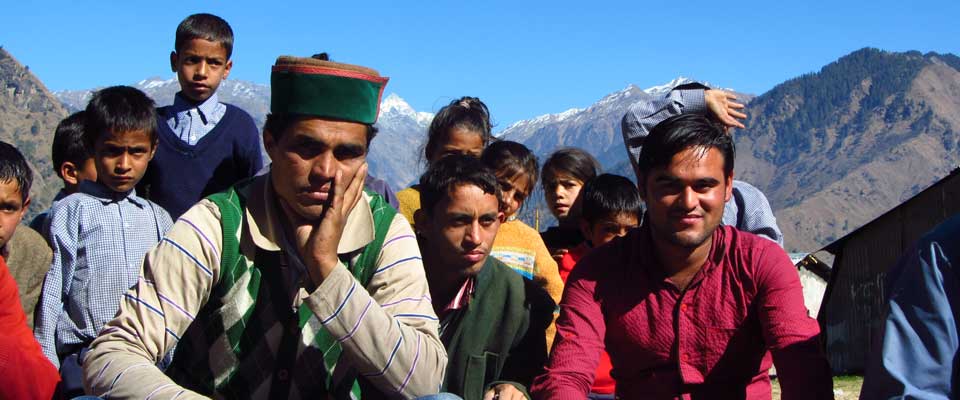
For Van Gujjar families and Himalayan village communities, the law can relate to grazing, seasonal movement, access to minor forest produce, habitation, community resources, and the protection of traditional livelihoods. Understanding the law helps communities participate meaningfully in decisions affecting their homes and forests.
The FRA is a rights-based law. It does not simply provide permission to use forest land; it creates a legal process for recognizing existing rights and gives the Gram Sabha a central role in that process.
Who Can Claim Forest Rights
The Act applies to two broad categories. Members of a Scheduled Tribe who primarily live in or depend on forests may claim eligible rights. Other traditional forest dwellers may also qualify if they have primarily resided in and depended on forests for their livelihood for at least three generations, meaning 75 years, before 13 December 2005.
A claimant must meet the legal requirements and provide information or evidence of occupation, dependence, or customary use. Individual claims generally concern land used for habitation or self-cultivation, while community claims may cover grazing, seasonal access, forest produce, and shared cultural or livelihood resources.
Rights Recognized Under The Act
The FRA recognizes individual forest rights, community forest rights, and community forest resource rights. Individual rights may relate to occupation and cultivation on forest land, subject to the Act’s limits. Community rights can include access to grazing areas, fishing grounds, water sources, routes, and minor forest produce.
Minor forest produce may include items such as bamboo, tendu leaves, honey, medicinal plants, roots, seeds, and other traditionally collected products. The law recognizes ownership and access rights over eligible produce, supporting local livelihoods and more equitable forest-based income.
The Act can also recognize habitat and cultural rights of particularly vulnerable tribal groups, rights connected with pastoralist movement, and the conversion of certain forest settlements or pattas into recognized rights where legal conditions are met.
The Gram Sabha Leads The Claims Process
Under the FRA Rules, the Gram Sabha is the first authority to receive, verify, and consider claims. It forms a Forest Rights Committee, gathers evidence, prepares records, and passes a resolution. The claim then moves to the Sub-Divisional Level Committee and, if required, the District Level Committee.
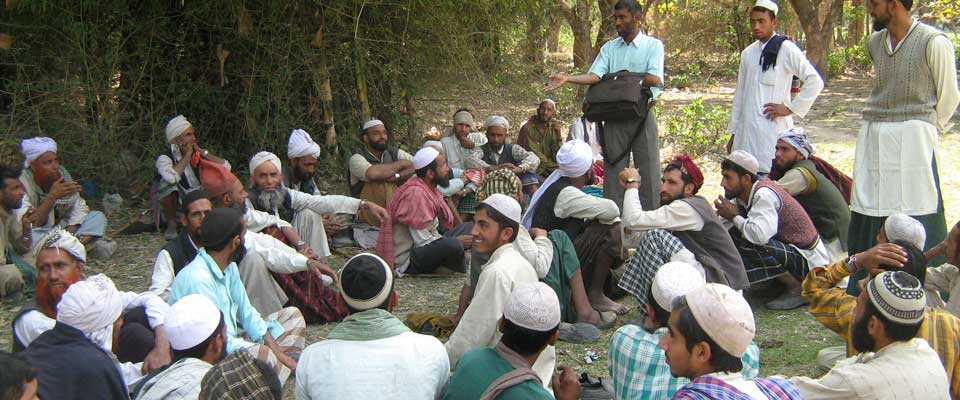
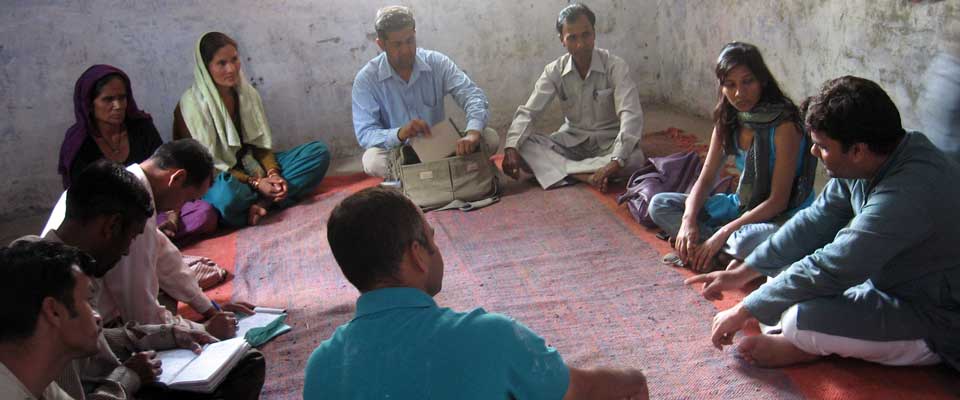
A Gram Sabha meeting should be properly convened, inclusive, and recorded. Women, pastoral households, elderly residents, and families living in remote settlements should have a meaningful opportunity to participate. Decisions should be based on the evidence and customary use presented, rather than on a single type of document.
Evidence may include government records, forest department documents, maps, satellite images, statements from elders, traditional knowledge, physical evidence, and resolutions from neighboring communities. Lack of formal title by itself should not end a legitimate claim.
Individual And Community Claims
Individual Forest Rights (IFR) concern a particular eligible household or person. Community Forest Rights (CFR) concern resources used collectively, such as grazing areas, seasonal routes, water sources, and minor forest produce. Community Forest Resource rights may allow the Gram Sabha to protect, regenerate, conserve, and manage customary forest areas.
For Van Gujjar and other pastoral communities, seasonal migration can make documentation more difficult. Movement between forest and village locations does not automatically erase a community’s relationship with its customary habitat. Claims should clearly describe routes, grazing patterns, settlements, buffalo husbandry practices, and the resources needed for the community’s livelihood.
| Type Of Right | Examples | Main Community Evidence |
|---|---|---|
| Individual forest right | Habitation or self-cultivation | Land use history, witness statements, older records, maps |
| Community forest right | Grazing, seasonal access, water, routes | Community resolution, customary-use accounts, maps |
| Minor forest produce right | Collection, use, and sale of forest produce | Local practices, collection areas, livelihood records |
| Community forest resource right | Protection and management of customary forests | Boundary maps, resource-use records, Gram Sabha decisions |
| Habitat or pastoral right | Traditional habitat and seasonal movement | Migration routes, oral histories, settlement evidence |
Evidence, Rejection, And Appeals
A claim should be submitted through the process established by the Gram Sabha, usually using the prescribed form and supporting materials. Several forms of evidence can be combined. Community testimony is especially important where records were never created or were lost during displacement and migration.
If a claim is rejected, the decision should provide reasons. A claimant has the right to appeal to the next level within the prescribed process. Communities should keep copies of claim forms, receipts, maps, Gram Sabha resolutions, notices, and orders. These records help protect due process and make follow-up possible.
No eligible person should be evicted from forest land until the recognition and verification procedure under the Act is complete. This safeguard does not remove the need to comply with the law, but it requires authorities to follow a fair process before taking coercive action.
Community Duties And Forest Stewardship
Recognition of rights comes with responsibilities. Section 5 of the Act empowers rights holders and Gram Sabhas to protect wildlife, forests, biodiversity, water sources, and culturally important areas. Communities can help prevent destructive activities and support sustainable harvesting.
Local rules should be clear, inclusive, and consistent with conservation needs. Communities may develop agreements on grazing periods, collection limits, fire prevention, habitat protection, and restoration of degraded areas. Strong community governance can connect forest conservation with pastoral livelihoods and household security.
Building Collective Action
Successful implementation often requires cooperation among claimants, Gram Sabha members, elected representatives, local officials, forest-rights committees, and civil society organizations. Awareness meetings can help families understand eligibility, prepare evidence, read official decisions, and distinguish individual claims from community claims.
Organizations such as SOPHIA can support rights education, social mobilization, documentation, government engagement, and partnerships. Community-led mapping and careful recording of oral histories can be particularly valuable for Van Gujjar and Himalayan settlements whose customary use is seasonal or spread across administrative boundaries.
Practical Steps For Communities
- Hold an inclusive Gram Sabha meeting and record attendance, discussion, and decisions.
- Map homes, grazing areas, migration routes, water sources, forest produce areas, and cultural sites.
- Collect different kinds of evidence, including witness statements, old records, photographs, maps, and community resolutions.
- Submit claims through the proper authority and keep dated copies of every document.
- Seek written reasons for rejection and use the appeal process when a claim is denied.
Forest rights become meaningful when communities can understand, document, and exercise them collectively. SOPHIA works with indigenous and village communities across Uttarakhand, Himachal Pradesh, and Uttar Pradesh to strengthen rights awareness, sustainable pastoral livelihoods, buffalo husbandry, and access to fair milk markets. Community members, local leaders, and partner organizations can engage with SOPHIA’s rights-based work to support informed Gram Sabhas and stronger, more secure forest-dependent communities.