



Traditional healing knowledge among the Van Gujjars
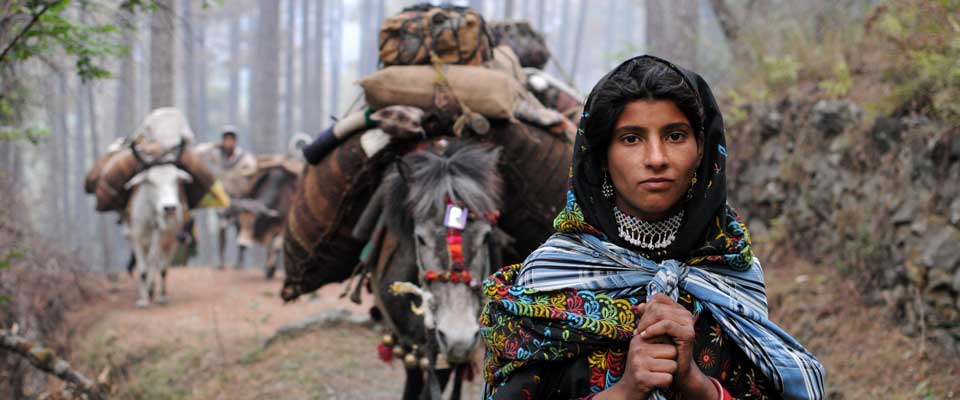
For Van Gujjar families living across the Himalayan foothills, health knowledge has long been connected to forests, seasonal movement, livestock, and close observation of the natural world. Plants gathered from grasslands and woodland edges may support everyday care, while household practices pass experience from elders to younger generations.
This knowledge is practical, adaptive, and rooted in community life. It can include herbal preparations, dietary remedies, animal care, massage, steam, rest, and spiritual or ritual practices. The details vary between families and regions, so traditional medicine should be understood as living local knowledge rather than a single fixed system.
SOPHIA’s work with Van Gujjar and Himalayan village communities creates space for this knowledge to be respected alongside access to safe public health services. Documenting medicinal plants and healing practices must be led by communities, with informed consent and protection against misuse or commercial exploitation.
Forest plants and household remedies
Himalayan communities commonly recognize plants such as nettle, wild mint, ginger, turmeric, holy basil, and bitter herbs for household uses. Some are grown near settlements, while others are collected during seasonal movement. Leaves, roots, bark, seeds, and flowers may be prepared differently depending on the condition and the experience of the person providing care.
These examples should not be treated as a universal list of Van Gujjar remedies. Local names, plant identification, preparation methods, and meanings can differ considerably across Uttarakhand, Himachal Pradesh, and Uttar Pradesh. Careful community research is essential before associating a particular plant with a specific treatment.
Knowledge shaped by pastoral life
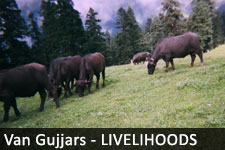
Van Gujjar pastoral livelihoods influence how health decisions are made. Families moving with buffaloes need remedies that are accessible, affordable, and suitable for remote locations. Knowledge of plants can help address minor cuts, stomach discomfort, coughs, muscle soreness, and seasonal illness when a clinic is far away.
Buffalo husbandry also forms part of this health system. Pastoralists observe changes in appetite, movement, milk production, and behaviour to identify illness early. Traditional animal care may involve plant-based applications, cleaning, warmth, improved fodder, and rest. Serious symptoms still require veterinary attention, particularly when infectious disease or poisoning is possible.
Passing knowledge between generations
Elders, experienced herders, and caregivers often act as teachers. Children learn by accompanying relatives, identifying plants, watching preparation, and understanding when a remedy should or should not be used. Women frequently hold important knowledge related to household care, food, childbirth, and family wellbeing, though the distribution of knowledge differs between communities.
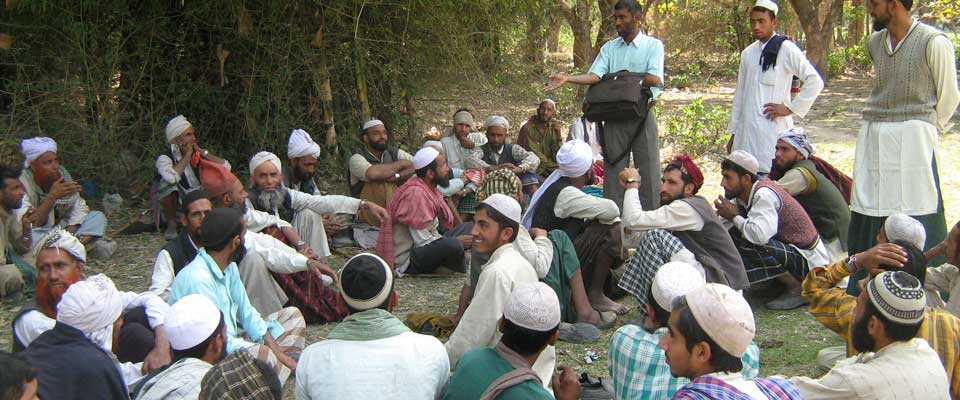
Migration, forest restrictions, changing diets, and reduced access to customary landscapes can interrupt this learning. Younger people may also have fewer opportunities to spend time with elders in forests and grazing areas. Community-led recording, storytelling, and intergenerational gatherings can help preserve knowledge while respecting what should remain private.
| Area of knowledge | Community value | Safeguard needed |
|---|---|---|
| Plant identification | Supports careful gathering and local learning | Confirm species with trained botanists and knowledge holders |
| Preparation methods | Preserves practical household skills | Record dosage and limits only with informed consent |
| Pastoral animal care | Strengthens buffalo health and livelihoods | Refer serious illness to qualified veterinary services |
| Seasonal harvesting | Connects health practices with ecology | Avoid overharvesting and protect regeneration |
| Oral histories | Maintains language, memory, and identity | Keep sacred or restricted knowledge confidential |
Safety, evidence, and respectful care
Traditional remedies can be useful for minor problems, but “natural” does not automatically mean safe. Incorrect identification, excessive amounts, contamination, interactions with medicines, and use during pregnancy can create serious risks. Children, older people, and those with chronic conditions may require special care.
Community health work should therefore connect local knowledge with qualified medical advice rather than set them against each other. Persistent fever, breathing difficulty, severe pain, dehydration, poisoning, heavy bleeding, animal bites, and rapidly worsening symptoms need prompt professional attention. Traditional practitioners should be respected as knowledge holders while clear referral pathways remain available.
Protecting plants and customary landscapes
Medicinal plant knowledge depends on healthy forests, pasture, wetlands, and village commons. Deforestation, invasive species, pollution, climate shifts, and restricted access can reduce the availability of important plants. When families lose secure forest and domicile rights, they may also lose the landscapes that sustain their health traditions.
Conservation efforts work best when Van Gujjars are partners in decision-making. Sustainable harvesting can include collecting only the needed amount, leaving roots where possible, protecting young plants, rotating gathering areas, and cultivating frequently used species near homes. Such measures support biodiversity and pastoral resilience together.
Community-led documentation and rights
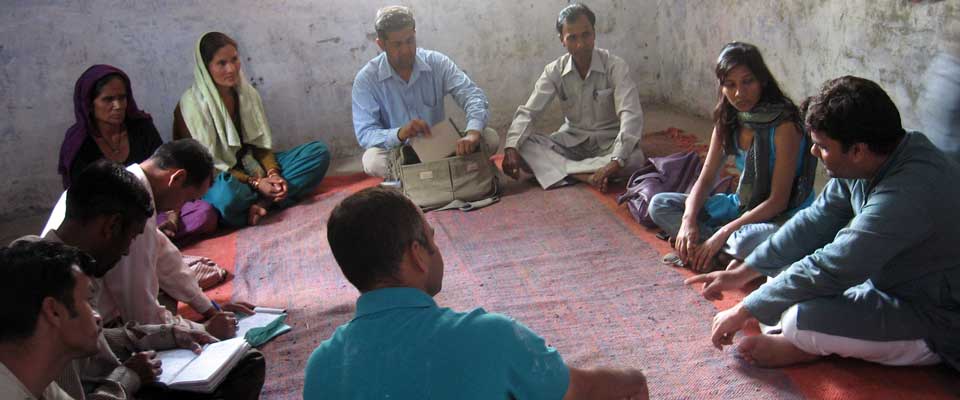
Research into indigenous medicine must benefit the people whose knowledge is being documented. SOPHIA and partner organizations can support consent-based interviews, local language records, women’s participation, youth learning, and secure community archives. No information should be published or shared commercially without clear agreement about ownership and benefit sharing.
Documentation should also record the wider context: migration routes, forest access, buffalo care, food practices, seasonal illness, and the social roles attached to healing. This approach recognizes that Van Gujjar medicine is part of a broader cultural system, not merely a catalogue of plants.
Ways to support responsible knowledge work
- Support Van Gujjar rights to forests, grazing areas, and secure domicile documentation.
- Fund community-led recording in local languages, with consent and confidential storage.
- Encourage partnerships between traditional knowledge holders, health workers, botanists, and veterinarians.
- Promote cultivation and sustainable harvesting of commonly used medicinal plants.
- Share verified public health information without dismissing indigenous experience.
Traditional medicine among the Van Gujjars reflects resilience, ecological understanding, and care built through generations of pastoral life. Its future depends on healthy landscapes, cultural dignity, safe healthcare choices, and the rights of communities to control their own knowledge.
Support SOPHIA’s rights-based work, learn from its community partnerships, and help strengthen the forests, livelihoods, and local leadership that keep this living knowledge alive.