


The Van Gujjar Language: Preserving a Dialect of Gojri
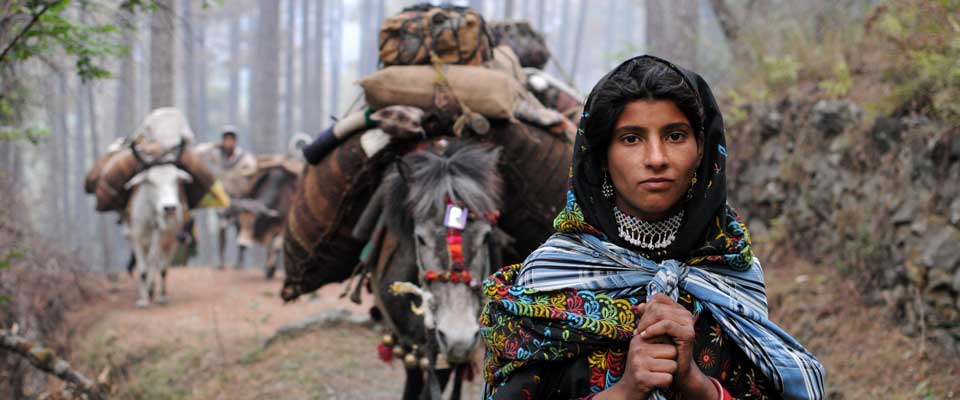
Language carries memory, belonging, and knowledge from one generation to the next. For Van Gujjar families, Gojri is woven into pastoral life, seasonal movement, family relationships, songs, prayers, and everyday conversations. It reflects a cultural identity shaped by the forests and mountain landscapes of northern India.
The Van Gujjar language is often described as a dialect or variety of Gojri, a language connected to the wider Gujjar community across parts of India and Pakistan. Its vocabulary and pronunciation may vary between settlements and migration routes, yet these differences form part of a living linguistic tradition rather than a weakness.
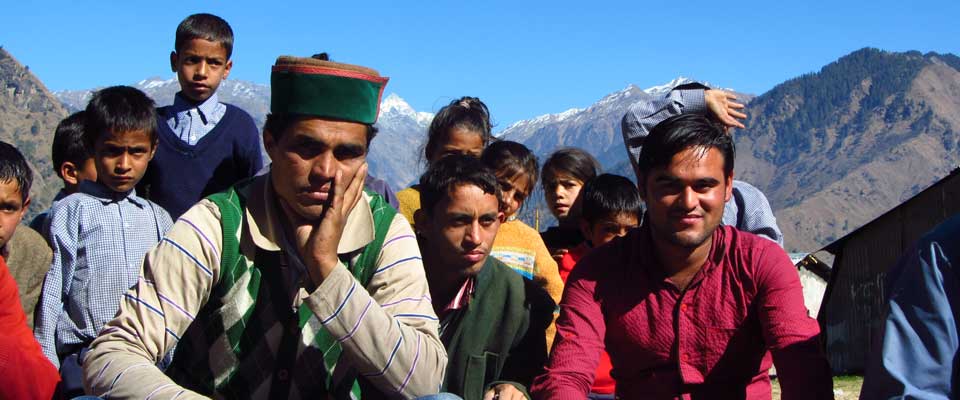
For communities in Uttarakhand, Himachal Pradesh, and Uttar Pradesh, protecting Gojri means protecting the right to express history and identity in their own voice. Community-led documentation and education can help ensure that children inherit this heritage with confidence.
A Language Shaped By Pastoral Life
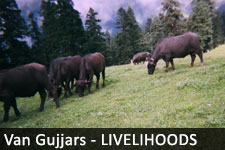
Van Gujjar speech contains words and expressions linked to buffalo husbandry, grazing cycles, forest resources, weather, water sources, and seasonal migration. Much of this knowledge is practical, precise, and passed through conversation rather than formal textbooks. Elders often teach younger family members through work, storytelling, and observation.
The language also records relationships with the landscape. Names for plants, medicinal practices, animal behavior, and routes through the forest can carry information that is difficult to translate fully into another language. When these terms disappear, communities may lose access to parts of their environmental knowledge.
Gojri Across Regions And Generations
Gojri is spoken in several regions, and its forms differ according to local contact with Hindi, Urdu, Punjabi, Garhwali, Kumaoni, and other languages. Van Gujjar communities have developed their own patterns of pronunciation, vocabulary, and expression through long residence and movement across the Himalayan foothills.
Many families are multilingual. Hindi is often necessary for school, public services, official documents, and communication with government departments. This practical use of other languages does not reduce the value of Gojri. A multilingual community can retain its mother tongue while gaining wider access to education and public life.
Why Oral Heritage Needs Documentation
Much of Van Gujjar cultural heritage remains oral. Folk songs, blessings, family histories, proverbs, birth traditions, and accounts of migration may not exist in written form. As older speakers pass away and younger people spend more time in towns or formal institutions, important material can become harder to recover.
Ethical documentation should be led with community consent and participation. Audio recordings, interviews, photographs, and transcriptions should respect privacy and cultural ownership. Community members should decide what may be shared publicly, what should remain within families, and how recordings are stored.
| Area of language preservation | Why it matters | Useful community-led approach |
|---|---|---|
| Oral histories | Preserve memories of migration, forests, and settlement life | Record elders with informed consent |
| Traditional vocabulary | Protect knowledge of animals, plants, tools, and pastoral work | Create bilingual word lists |
| Songs and stories | Maintain cultural expression and values | Archive performances with speaker names and permission |
| Children’s learning | Strengthen confidence and intergenerational use | Develop locally relevant reading and audio materials |
| Public recognition | Support dignity and cultural rights | Include Gojri perspectives in advocacy and programs |
Language, Rights, And Social Identity
Language rights are closely connected to social inclusion. When public systems recognize only dominant languages, indigenous and pastoral communities may find it harder to explain their needs, access services, or participate in decisions. Communication barriers can affect documentation, schooling, healthcare, forest rights, and government engagement.
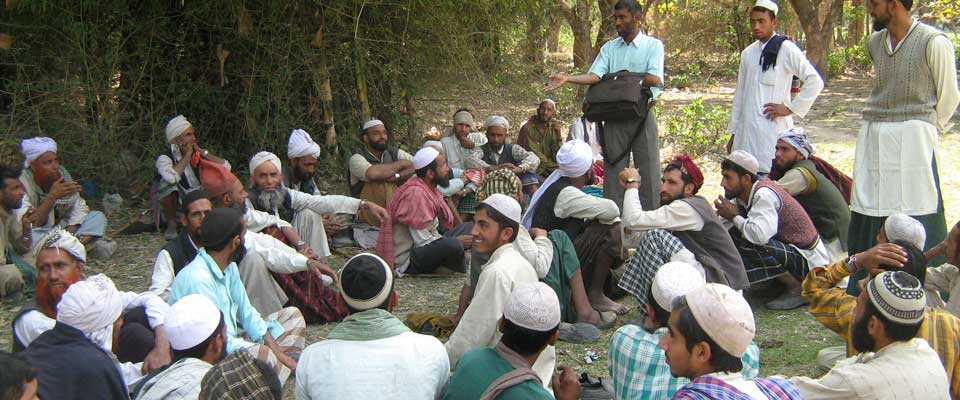
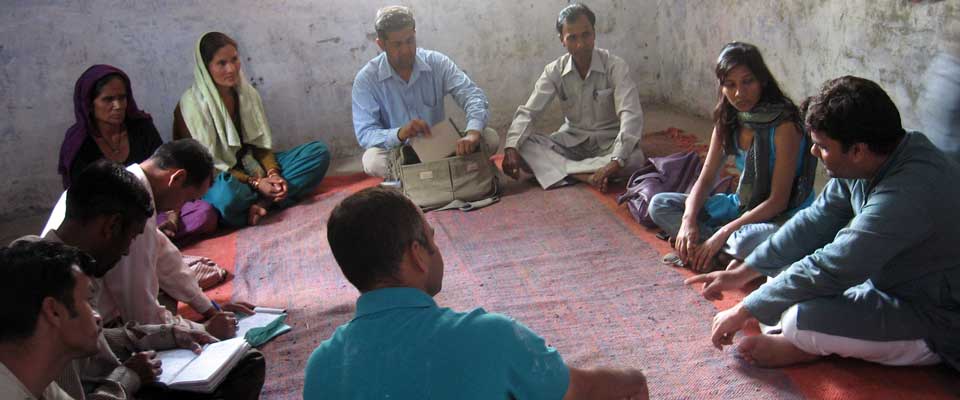
Supporting Gojri does not mean isolating Van Gujjar families from wider society. It means creating space for their language alongside Hindi and other languages used in public life. Community meetings, awareness materials, cultural events, and rights-based programs can make participation more accessible when they reflect local speech and experience.
The Role Of Schools And Community Programs
Children benefit when their first language is respected in learning environments. Early discussion in Gojri can help students understand new ideas before moving between languages. Teachers and community workers can use familiar stories, local examples, and oral activities to connect classroom learning with home life.
SOPHIA’s work with Van Gujjar and Himalayan village communities can support this broader effort through social mobilization, advocacy, partnerships, and community engagement. Language preservation can be included in work related to indigenous rights, forest and domicile rights, pastoral livelihoods, buffalo husbandry, and access to public services.
Practical Ways To Protect Gojri
Preservation becomes stronger when it is connected to ordinary family and community life. Small actions—speaking with children, recording a song, writing down a proverb, or labeling a photograph—can build an archive over time. Digital tools can help, provided communities control the material and have access to the recordings.
Useful priorities include:
- Encourage children to speak Gojri with elders at home and during community gatherings.
- Record oral histories, songs, proverbs, and pastoral vocabulary with informed consent.
- Prepare simple bilingual materials in Gojri and Hindi for community education.
- Invite Van Gujjar speakers to guide research, cultural programs, and public communications.
- Build partnerships with local schools, cultural groups, researchers, and rights organizations.
Keep Van Gujjar Voices Visible
Preserving this dialect of Gojri is a living process. It depends on speakers using the language, elders sharing their knowledge, children hearing it with pride, and institutions respecting the community behind it. Every conversation, recording, story, and local initiative adds strength to the language’s future.
SOPHIA welcomes collaboration that places Van Gujjar communities at the center of cultural and rights-based work. Support community-led projects, share respectful documentation, volunteer your skills, or help raise awareness of Gojri and the people who keep it alive.