




The Van Gujjar diet: nutrition and tradition in the highlands
For Van Gujjar families living across the Himalayan foothills, food is closely connected with pastoral life, seasonal migration, forests, and buffalo husbandry. Meals are shaped by what families can carry, grow, gather, or obtain along traditional routes between summer and winter settlements.
Buffalo milk and dairy products form the foundation of this food system. Alongside them, families prepare wheat, rice, maize, pulses, vegetables, leafy greens, herbs, and locally available forest foods. The balance changes with altitude, weather, household income, and access to markets.
Understanding this dietary tradition requires more than listing ingredients. It means recognising the knowledge behind animal care, food preservation, fuel use, and seasonal movement. It also means addressing the rights and services that help communities maintain healthy livelihoods without losing cultural independence.
Food shaped by pastoral movement
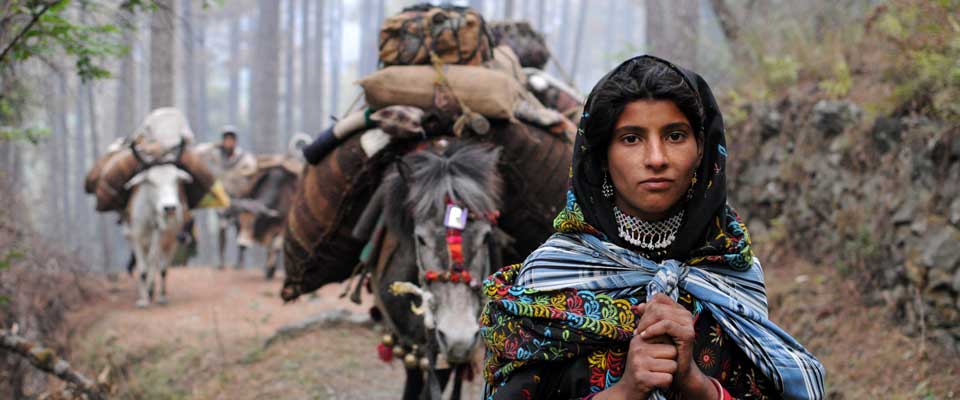
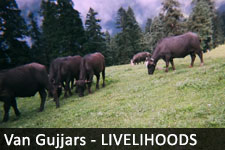
Van Gujjar households have traditionally followed transhumant routes, moving buffalo herds between forest areas and lower settlements as seasons change. This mobility influences cooking equipment, storage practices, and the kinds of food that can be transported reliably.
Staple grains such as wheat, rice, and maize provide energy, while lentils and other pulses add plant protein when available. Milk, curd, buttermilk, butter, and ghee contribute calories, protein, fat, and important minerals. Simple preparations are practical for families managing livestock and travelling through difficult terrain.
Meals may include flatbreads, rice dishes, lentil preparations, milk-based foods, and seasonal vegetables. The everyday menu is modest, but its nutritional value comes from combining dairy, grains, pulses, and fresh or preserved plant foods.
Buffalo milk at the centre of household nutrition
Buffalo milk is more than a beverage. It is used fresh and transformed into curd, buttermilk, butter, ghee, paneer, and other products that extend its usefulness. Fermented foods can support digestion, while clarified butter and butter provide concentrated energy during physically demanding work and cold weather.
Milk also connects household nutrition with income. Surplus production may be sold through local markets or informal networks, helping families purchase grains, vegetables, spices, medicines, and school supplies. Fair prices and dependable collection systems are therefore important for both food security and economic resilience.
The quality and quantity of dairy depend on animal health, fodder, veterinary care, water, and safe migration routes. Supporting buffalo husbandry strengthens the food system at its source, rather than treating nutrition as a separate issue.
Seasonal variety in the Himalayan foothills
The diet changes across the year. During periods of migration, families may rely more heavily on durable staples and dairy products. When they are near villages or markets, fresh vegetables, fruit, pulses, and packaged foods may become easier to obtain.
Wild greens, edible plants, forest fruits, and herbs can add flavour and micronutrients to meals, although availability varies by location and conservation rules. Traditional knowledge helps families identify useful plants and prepare them safely. This knowledge is part of the community’s cultural heritage and should be respected alongside scientific nutrition guidance.
| Food group | Common contribution | Seasonal or livelihood connection |
|---|---|---|
| Buffalo milk and curd | Protein, calcium, energy, hydration | Linked to herd health and daily milking |
| Butter and ghee | Concentrated energy and fat-soluble nutrients | Useful during cold weather and physical labour |
| Wheat, rice, and maize | Carbohydrates and household energy | Purchased, stored, or cultivated according to location |
| Pulses | Plant protein, fibre, and minerals | Availability may depend on markets and household income |
| Greens, vegetables, and herbs | Vitamins, minerals, and dietary fibre | Often seasonal, locally sourced, or gathered |
| Buttermilk and fermented foods | Fluids, nutrients, and digestive value | Practical ways to use and preserve dairy |
Nutrition and changing food access
A traditional food system can be nourishing, but nutrition depends on regular access, quantity, and diversity. Children, pregnant women, older people, and anyone recovering from illness may need additional protein, iron, calcium, or energy. Limited access to health services and markets can make these needs harder to meet.
Migration routes, forest restrictions, insecure settlement rights, and extreme weather can affect access to fodder and food. Families may also face rising prices for grains, vegetables, cooking fuel, and animal medicines. These pressures can reduce dietary variety even when traditional knowledge remains strong.
Rights-based development can support better nutrition by protecting access to land, forests, water, livestock services, and education. Community-led planning is especially valuable because families understand their own seasonal patterns and practical constraints.
Protecting food traditions through stronger livelihoods
Improving the Van Gujjar diet does not mean replacing traditional foods with outside products. It means making nutritious customary foods more secure while expanding safe choices where communities want them. Better milk marketing, animal healthcare, fodder planning, and storage can make a direct difference to household diets.
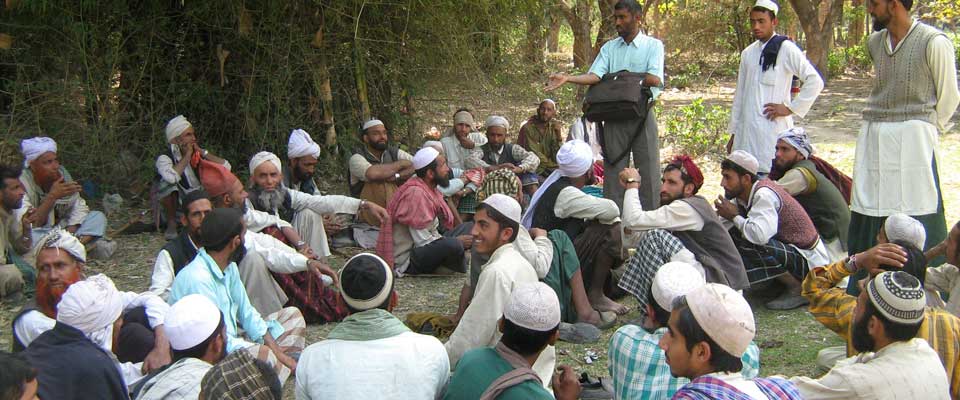
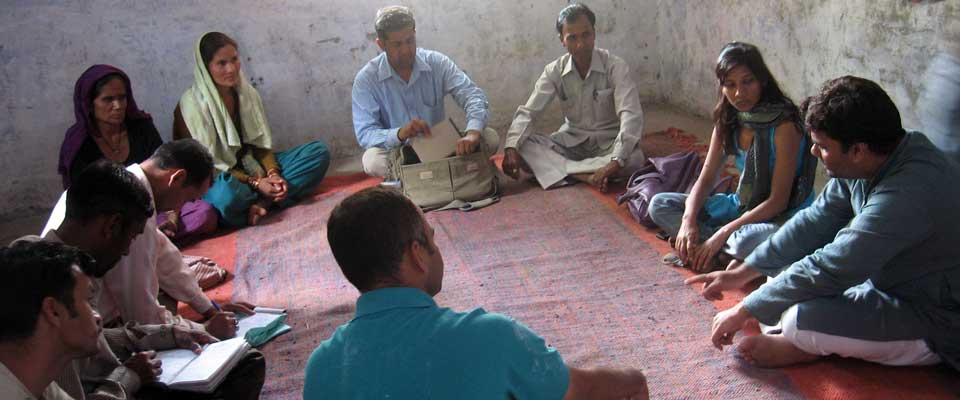
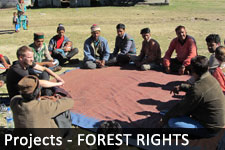
Nutrition awareness can also be integrated into existing community spaces. Demonstrations on child feeding, hygienic milk handling, kitchen gardens, food preservation, and affordable recipes are most effective when they are delivered in local settings and adapted to pastoral routines.
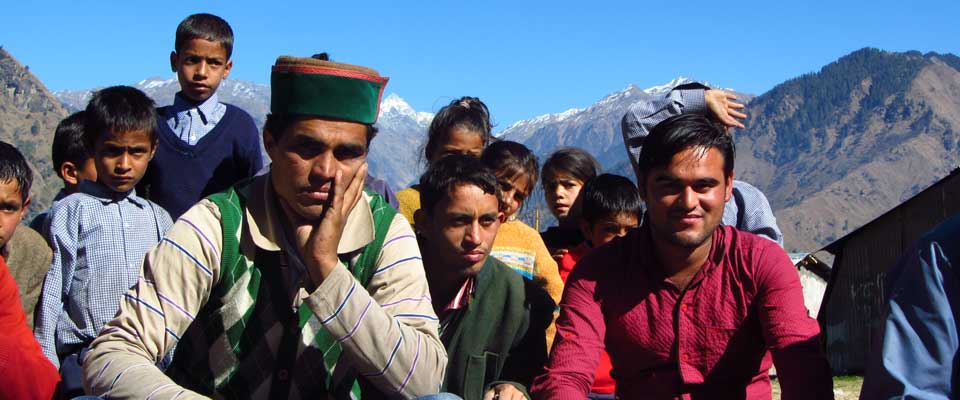
SOPHIA’s work with Van Gujjar and Himalayan village communities connects these concerns with social mobilisation, advocacy, forest rights, domicile rights, and government engagement. When communities have a stronger voice in decisions affecting their homes and livelihoods, they are better placed to protect both food security and cultural practices.
Community priorities that support healthy diets
Practical support should respond to what families identify as their most urgent needs. Useful priorities may include:
- Strengthening fair and reliable channels for selling milk and dairy products
- Improving access to veterinary care, fodder, clean water, and animal health information
- Supporting seasonal kitchen gardens and locally suitable sources of vegetables and pulses
- Expanding nutrition education for mothers, children, adolescents, and community workers
- Protecting customary migration routes, forest access, and secure settlement rights
The food traditions of Van Gujjar communities carry knowledge about climate, livestock, mobility, and responsible use of natural resources. Preserving that knowledge while improving services can help families maintain a balanced diet through seasonal change.
Support for community-led rights work, sustainable pastoral livelihoods, and responsible dairy development can help turn this vision into practical progress. Learn more about SOPHIA’s projects, partnerships, and community initiatives, and contribute to efforts that protect nutrition, dignity, and indigenous rights in the Himalayan region.