



The Van Gujjar calendar: seasonal activities and festivals
For Van Gujjar communities, time is closely connected to forests, grasslands, livestock, weather, and family decisions. The annual cycle is shaped by the movement of buffalo herds between winter and summer landscapes, with each stage bringing particular work, risks, celebrations, and community responsibilities.
This seasonal calendar is not fixed in the way a printed almanac might be. Rainfall, pasture conditions, forest rules, illness, market prices, and access to traditional routes can change the timing of migration. Even so, recurring patterns help explain how pastoral households organize life across Uttarakhand, Himachal Pradesh, and nearby regions of Uttar Pradesh.
Understanding these rhythms also gives wider meaning to indigenous rights, forest access, domicile rights, and sustainable pastoral livelihoods. SOPHIA’s work with Van Gujjar and Himalayan village communities recognizes that mobility is a livelihood system and a source of cultural identity.
Reading the pastoral year
The year generally begins with winter residence in the lower Shivalik foothills and forest-edge settlements. Families care for buffaloes, repair shelters, process milk, collect fuel where permitted, and maintain relationships with nearby villages. Milk sales and small trade provide important income during this period.
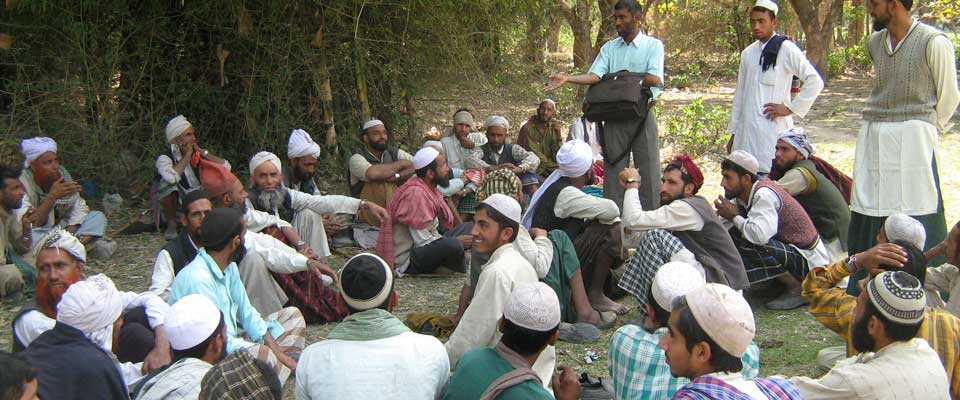
As temperatures rise, households prepare for movement toward higher grazing areas. They gather essential supplies, check animals, arrange travel with relatives, and consider the condition of routes and water sources. This preparation is practical, but it is also social: migration decisions are often discussed collectively.
Spring migration to higher pastures
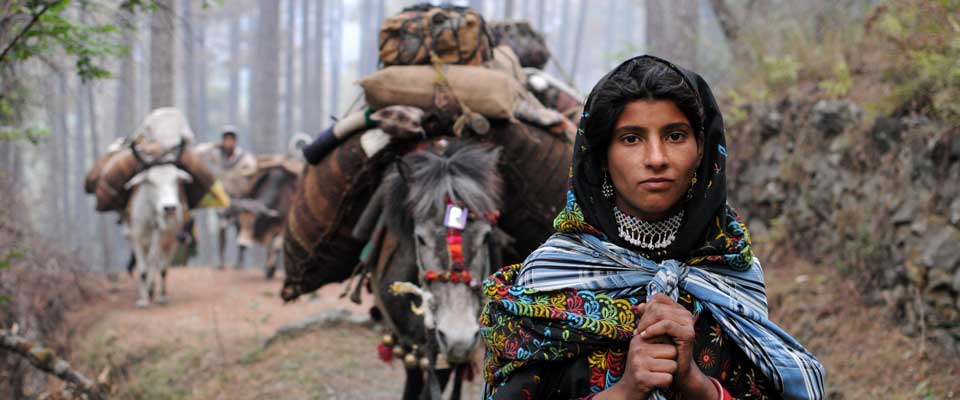
During spring, warmer conditions encourage the upward movement of herds. The journey may take place in stages, allowing animals to graze and recover along the route. Families carry household goods, cooking equipment, fodder, and materials needed for temporary shelters.
This form of Van Gujjar nomadism depends on customary access to forests and pasture corridors. Women, men, and children contribute in different ways, from milking and household work to animal care, route management, and tending younger family members. Safe passage and access to water are essential throughout the journey.
Monsoon life in the highlands
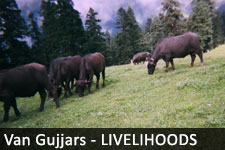
The monsoon months can bring abundant grass and water in higher areas, making them valuable for buffalo husbandry. Families follow local knowledge to select suitable grazing locations while protecting animals from landslides, flooding, disease, and sudden changes in weather.
Daily life follows the needs of the herd. Buffaloes are milked, calves are monitored, temporary homes are maintained, and milk may be sold or exchanged through nearby markets. Community cooperation becomes especially important when illness, damaged paths, or extreme rain affects one household.
| Season | Main movement or activity | Community and cultural focus |
|---|---|---|
| Winter | Residence in lower forests and foothills | Milk marketing, repairs, family visits, local trade |
| Early spring | Preparation and upward migration | Route planning, animal care, shared decisions |
| Monsoon | Grazing in higher forest and meadow areas | Pasture management, health, mutual assistance |
| Autumn | Return toward lower elevations | Harvest-related exchanges, travel, festival gatherings |
| Late autumn and winter | Settling in seasonal home areas | Religious observances, storytelling, planning |
Autumn return and household renewal
When temperatures begin to fall and highland forage declines, families start returning toward lower elevations. The descent is planned around animal health, water availability, weather, and access to familiar resting places. A careful return helps protect buffaloes from exhaustion and reduces pressure on limited pasture.
Autumn is also a period of reconnection. Families renew ties with relatives and village neighbours, review household needs, and prepare for winter. Milk production, sales, and animal breeding remain central concerns, while young people may balance pastoral responsibilities with schooling or other work.
Festivals within the seasonal cycle
Festivals provide moments for worship, family gatherings, exchange, and cultural continuity. Van Gujjar households may observe Islamic festivals such as Eid al-Fitr and Eid al-Adha, alongside local customs associated with travel, livestock, nature, and community life. The way a festival is marked can vary by family, location, and access to transport or markets.
Festive meals, visiting, prayer, clothing, gifts, and shared assistance strengthen social bonds. For families on the move, celebrations may be adapted to temporary settlements or scheduled around migration. These occasions also allow elders to pass on oral histories, pastoral knowledge, and values of mutual responsibility.
A living calendar shaped by rights
The pastoral calendar shows why secure access to forests, grazing areas, and settlement services matters. Restrictions on traditional routes can delay migration, increase costs, separate families from herds, or reduce access to milk markets. Climate variability adds another layer of uncertainty by changing pasture growth and water availability.
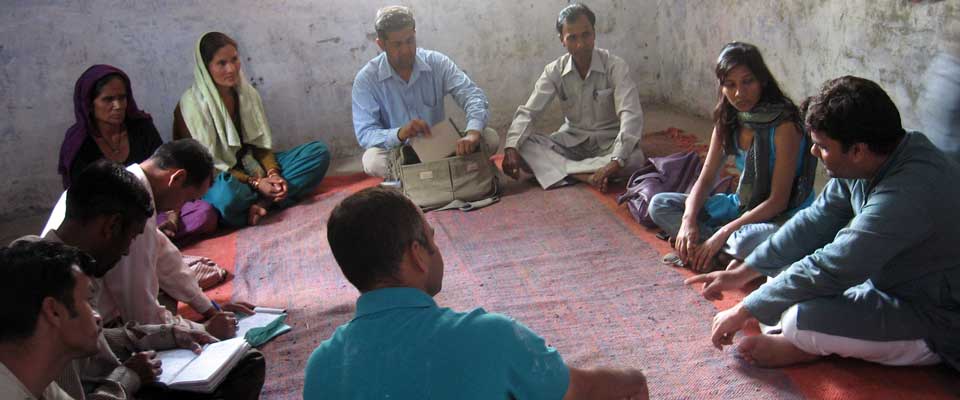
Recording seasonal knowledge can support advocacy when communities engage with government departments and development partners. It can help document customary practices, identify service gaps, and encourage policies that respect mobility while supporting education, healthcare, animal treatment, and fair market access.
Practical ways to support seasonal livelihoods
People and organizations working with pastoral communities can make their support more relevant by aligning activities with the annual cycle.
- Consult Van Gujjar families before planning projects, surveys, or public meetings.
- Support mobile veterinary care, vaccination, and animal-health information along migration routes.
- Improve fair milk marketing, cold-chain access, and connections with local buyers.
- Protect customary grazing corridors while supporting responsible forest stewardship.
- Include women and young people in decisions about education, livelihoods, and community advocacy.
Seasonal knowledge should be treated as expertise rather than a curiosity. Partnerships with local organizations can connect this knowledge to rights-based action, government engagement, and practical services that follow families across their migration routes.
SOPHIA’s community work offers a meaningful way to learn about pastoral cultures and support the rights of Van Gujjar and Himalayan communities. Explore its projects, media resources, and opportunities for partnership to help keep seasonal livelihoods, cultural traditions, and community voices visible.