




Sacred groves and the living heritage of Van Gujjar communities
Across the Himalayan foothills, forests are more than sources of fodder, fuel, water, and shelter. They are also places of memory, spiritual practice, community identity, and customary responsibility. For Van Gujjar families, whose pastoral life is closely connected with forests and buffalo husbandry, particular trees, springs, clearings, and woodland patches may carry deep cultural meaning.
Sacred groves are commonly understood as areas protected through religious belief, ancestral custom, or community rules. Their importance lies in the relationship people maintain with these spaces. A grove can preserve biodiversity while also expressing values of restraint, respect, reciprocity, and collective care.
The form and meaning of sacred places vary between communities and landscapes. Any discussion of Van Gujjar culture should therefore listen to local knowledge rather than applying a single definition. Oral histories, customary practices, and community voices are essential to understanding how these places are protected.
Forests as cultural landscapes
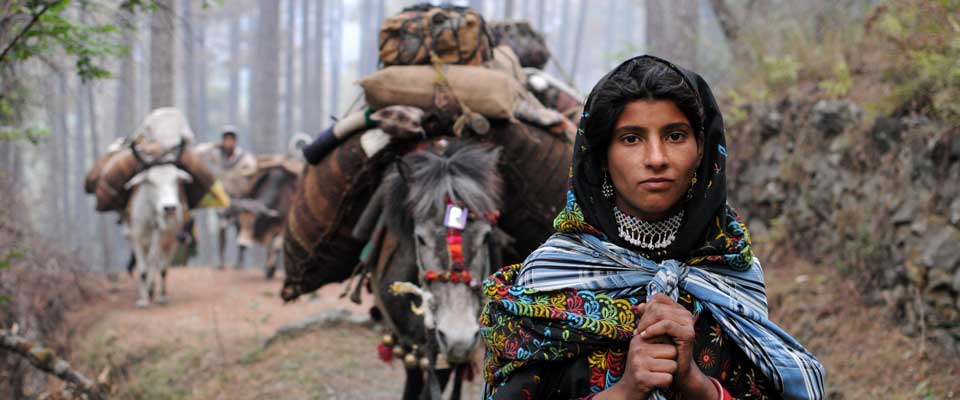
For Van Gujjars, forests have traditionally supported seasonal movement, grazing, fodder collection, and access to water. This practical dependence is connected with a cultural understanding of the forest as a living environment rather than an empty resource. Certain locations may be associated with ancestors, local spiritual figures, blessings, protection, or important events.
A sacred grove does not need to be large or formally marked. It may consist of a cluster of old trees, a shaded shrine, a spring, or a quiet area where cutting and grazing are restricted. These places can act as cultural landmarks during pastoral migration and help communities remember routes, family histories, and relationships with the landscape.
Ecological value of protected groves
Traditional protection can help old trees survive, maintain ground cover, and conserve moisture. Groves often provide shelter for birds, insects, small mammals, medicinal plants, and native vegetation. When located near springs or streams, they can also support soil stability and local water systems.
Their ecological value is especially significant in mountain regions affected by road construction, forest degradation, changing rainfall, invasive species, and pressure on grazing land. A small protected patch may serve as a seed bank and refuge for species that are becoming less common in surrounding areas.
| Cultural feature | Environmental contribution | Community significance |
|---|---|---|
| Old or revered trees | Shade, nesting sites, carbon storage | Links with memory, ancestry, and identity |
| Protected woodland patches | Habitat and plant diversity | Reinforces customary rules |
| Springs and sacred water sites | Groundwater and clean water protection | Supports pastoral and household needs |
| Seasonal ritual locations | Reduced disturbance during specific periods | Maintains shared traditions |
| Oral conservation knowledge | Responsible use of forest resources | Passes values between generations |
Oral traditions and customary protection
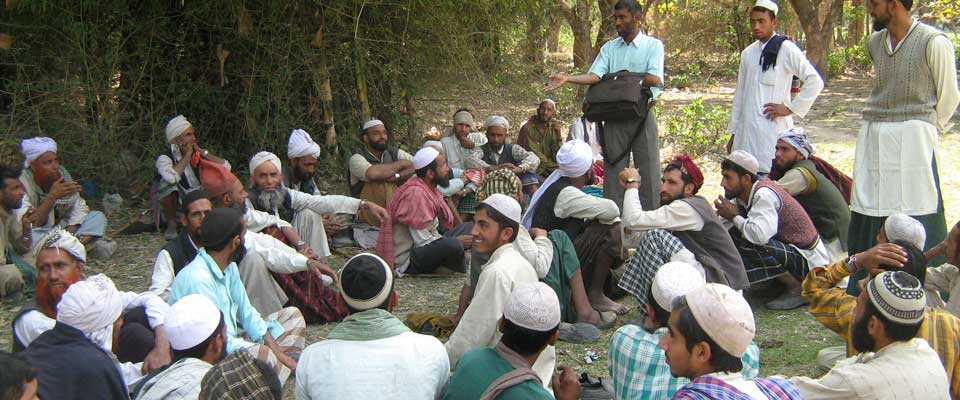
Knowledge about sacred places is often carried through storytelling, family teaching, songs, ritual practice, and everyday rules. Elders may explain which trees should not be felled, where animals can drink, when a place should remain undisturbed, or how visitors should behave. Such knowledge can function as an informal conservation system.
These customs are dynamic. Communities adapt practices as their mobility, access to forests, and relationship with government institutions change. Documenting local knowledge should never mean taking control of it or reducing it to folklore. Community members should decide what can be recorded, shared, or used in educational and conservation work.
Sacred groves and indigenous rights
The protection of culturally important forest spaces is linked with forest rights, domicile rights, and recognition of indigenous communities’ authority over their lives and livelihoods. When communities lose access to customary forests, they may also lose the ability to maintain rituals, grazing practices, water sources, and intergenerational knowledge.
Conservation policies are more effective when they recognize local stewardship instead of treating residents as a threat to forests. Van Gujjar families have a vital role in identifying culturally significant places, describing seasonal use, and shaping fair management plans. Their participation should be informed, voluntary, and connected with secure rights.
Pressures on cultural and natural heritage
Sacred groves can be affected by land-use change, restricted pastoral movement, tourism, extraction, pollution, and the decline of oral transmission. Younger generations may face barriers to learning customary practices when families are displaced or when traditional routes become inaccessible.
Climate change adds further uncertainty. Irregular rainfall, hotter summers, forest fires, and shrinking water sources can alter both ecological conditions and pastoral routines. Protecting sacred sites therefore requires more than fencing a patch of forest. It calls for safeguarding the wider landscape, community mobility, and the dignity of the people who have cared for it.
Supporting community-led conservation
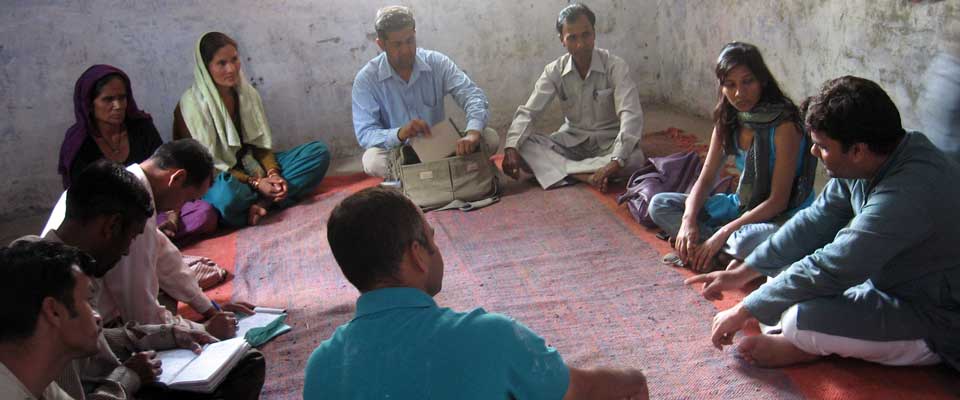
Effective work with sacred groves should begin with listening and local leadership. Practical priorities include:
- Map culturally important trees, springs, groves, and seasonal sites through community-led discussions.
- Record oral histories only with informed consent and respect for knowledge that communities wish to keep private.
- Connect forest rights advocacy with biodiversity protection and sustainable pastoral livelihoods.
- Support youth learning through intergenerational meetings, local-language materials, and field visits.
- Engage government departments and civil society partners in plans shaped by Van Gujjar communities.
SOPHIA can help create spaces where community members, researchers, and public institutions recognize sacred landscapes as part of living indigenous heritage. Supporting rights-based conservation means valuing both ecological evidence and cultural knowledge.
Protecting a sacred grove protects more than trees. It can preserve water, habitat, memory, customary law, and a community’s continuing relationship with the Himalayan forest. Learn more about SOPHIA’s work and support community-led efforts for forest rights, pastoral livelihoods, and cultural dignity.