




The Role of Buffaloes in Wedding and Festival Ceremonies
Across the Himalayan foothills, buffaloes are valued as sources of milk, income, nourishment, and household security. For pastoral families, especially those whose lives follow seasonal grazing routes, the animals also carry social and cultural meaning.
Wedding and festival ceremonies often bring these meanings into public view. A buffalo may appear through dairy offerings, shared meals, household gifts, ceremonial decoration, or blessings for prosperity. Customs vary widely, so each practice should be understood through the community that maintains it.
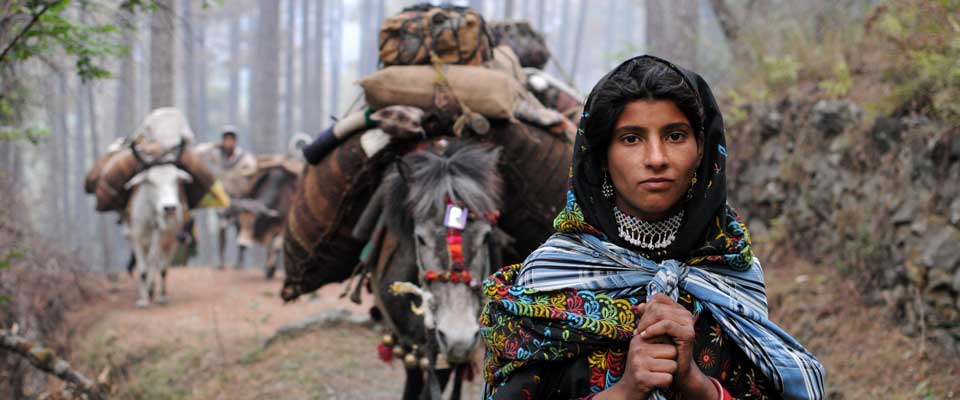
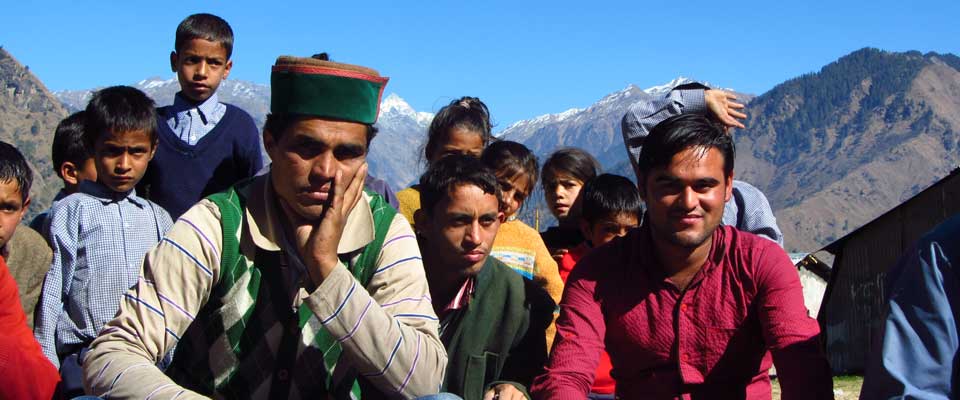
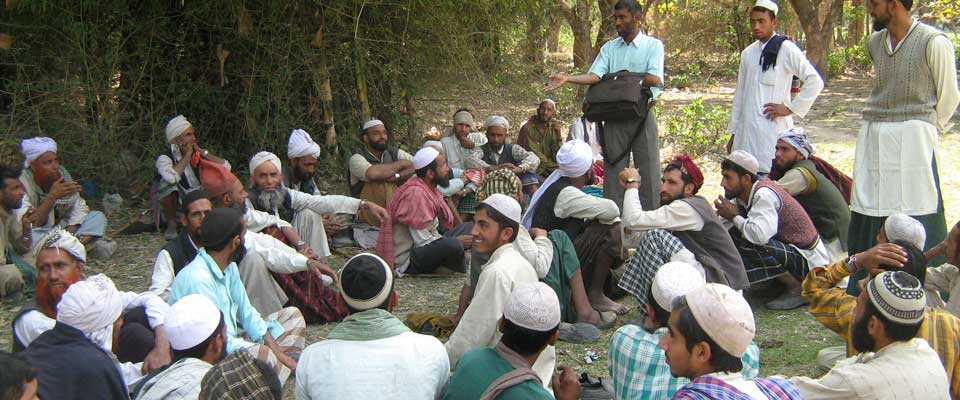
For Van Gujjar and Himalayan village families, livestock traditions are closely connected to forest access, mobility, land rights, and sustainable livelihoods. Learning about ceremonies therefore means recognizing the wider relationship between people, animals, forests, and local economies.
Buffaloes As Symbols Of Prosperity
In many rural households, a healthy buffalo represents dependable wealth. Its milk can be consumed, exchanged, or sold, while calves and breeding animals strengthen the family herd. During marriage celebrations, this productive role may give the buffalo a symbolic place alongside other gifts associated with a couple’s future security.
A buffalo offered as a wedding gift is not simply a valuable possession. It can represent trust between families, practical support for a new household, and the continuation of pastoral knowledge. The meaning depends on local custom, family circumstances, and whether the animal can be cared for responsibly.
Milk In Wedding Hospitality
Milk, curd, butter, ghee, and other dairy foods often play an important role in ceremonial hospitality. Families may prepare rich dishes for guests, serve milk-based sweets, or use clarified butter in cooking and religious observances. These foods connect celebration with the daily work of milking, grazing, fodder collection, and animal care.
The buffalo’s contribution is therefore present even when the animal is not brought to the ceremony. A wedding feast can reflect the household’s herd, the generosity of its hosts, and the labor of women and men who transform fresh milk into food for a large gathering.
Festival Rituals And Herd Life
Seasonal festivals frequently coincide with changes in weather, grazing conditions, and agricultural work. Families may clean cattle sheds, wash animals, decorate horns with natural colors, or place garlands around buffaloes as an expression of gratitude. Such observances can acknowledge the animals’ role in sustaining the household through the year.
In pastoral settings, festival timing may also reflect movement between forests, foothill settlements, and winter camps. The communities served by SOPHIA demonstrate why cultural practices should be viewed alongside questions of forest rights, pastoral mobility, and access to essential services.
| Ceremonial connection | Common meaning | Responsible approach |
|---|---|---|
| Milk and dairy dishes | Hospitality, abundance, and shared prosperity | Support clean, humane, and safe dairy practices |
| Decorated buffaloes | Gratitude, respect, and household pride | Use non-toxic materials and avoid distress |
| Livestock gifts | Security for a new family | Match gifts with the recipient’s capacity to provide care |
| Community feasts | Kinship and mutual support | Value fair contributions and reduce food waste |
| Seasonal herd observances | Connection with land and livelihood | Protect grazing access and animal welfare |
Customs Differ Across Communities
There is no single Himalayan wedding or festival tradition involving buffaloes. Some families may emphasize dairy foods and blessings, while others may include livestock exchange, a decorated animal, or a communal ceremony connected to the herd. Religious beliefs, local history, economic conditions, and migration patterns all shape these practices.
In some regions, buffaloes may be associated with ritual sacrifice or other forms of ceremonial use. Such practices require careful, community-led documentation rather than generalization. Outsiders should avoid treating one custom as representative of every Van Gujjar, village, or pastoral group.
Women’s Work And Intergenerational Knowledge
Buffalo husbandry depends on detailed knowledge: identifying illness, managing breeding, preparing fodder, maintaining hygiene, and understanding seasonal milk yields. Women frequently carry substantial responsibility for milking, processing dairy products, and organizing food for ceremonial gatherings, although roles differ from household to household.
Young people learn these skills through participation. A wedding or festival can become a teaching space where older relatives explain animal care, food preparation, songs, blessings, and obligations between families. Preserving the tradition means valuing this knowledge as expertise, not treating it as background labor.
Supporting Living Traditions
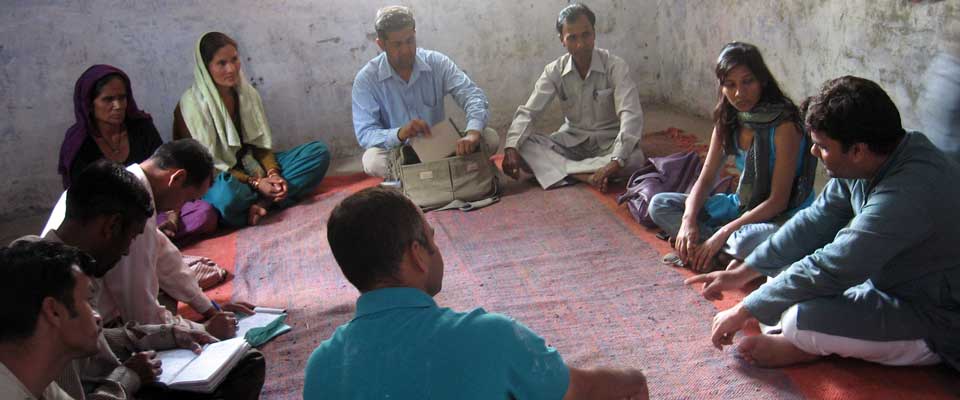
Cultural continuity is strongest when families can maintain dignified livelihoods and make their own decisions about ceremonies. Support should connect cultural respect with practical action, including animal welfare, secure grazing, access to veterinary services, and fair markets for milk.
Community organizations, local institutions, and development partners can contribute without taking control of the tradition. Useful priorities include:
- Record ceremonies with informed consent and community ownership of photographs, interviews, and recordings.
- Strengthen humane buffalo husbandry, veterinary outreach, and locally appropriate fodder systems.
- Improve milk collection and marketing so pastoral households receive fair value for their work.
- Protect forest, grazing, and domicile rights that allow families to sustain mobile and village-based livelihoods.
- Include women and young people in decisions about cultural documentation and livelihood programs.
Keeping Ceremony And Livelihood Connected
Buffaloes appear in wedding and festival life because they are part of everyday survival, household identity, and collective memory. Their presence can express generosity, continuity, gratitude, and hope for a secure future, while dairy foods bring the work of pastoral families to the center of communal celebration.
SOPHIA’s rights-based work with Himalayan and Van Gujjar communities can help keep these connections visible in public discussions about indigenous rights and sustainable livelihoods. Support respectful, community-led initiatives that protect animals, honor local knowledge, and strengthen the families whose traditions keep these ceremonies alive.