



Why Freshwater Springs Matter to Herders and Mountain Villages
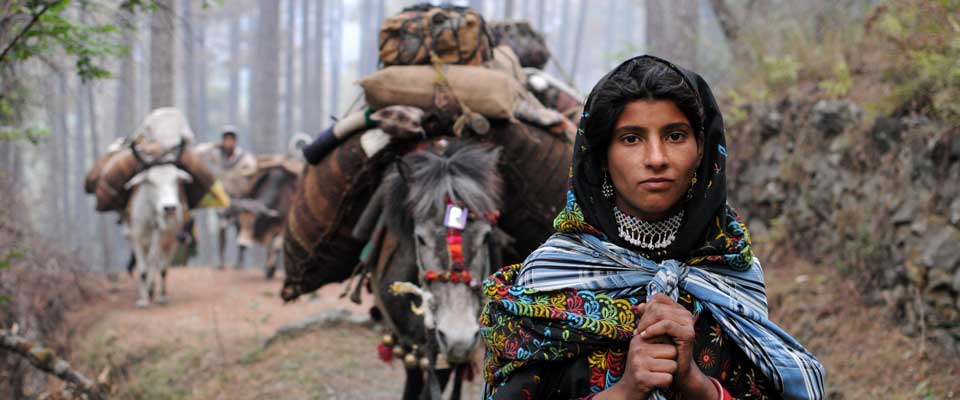
Across the Himalayan foothills, a spring can determine where a family grazes livestock, builds a home, or gathers for daily work. For Van Gujjar pastoralists and village communities in Uttarakhand, Himachal Pradesh, and Uttar Pradesh, these small water sources connect household wellbeing with forests, pastures, and local livelihoods.
Freshwater springs provide drinking water, support buffalo husbandry, sustain milk production, and help maintain the fragile balance of mountain ecosystems. When a spring weakens or disappears, the effects spread quickly through a community. Women and children may walk farther for water, herders may change migration routes, and animals may receive less water during hot or dry periods.
Protecting springs is therefore linked to indigenous rights, forest rights, food security, public health, and community resilience. Local knowledge and collective action are essential for keeping these sources flowing.
Springs sustain pastoral livelihoods
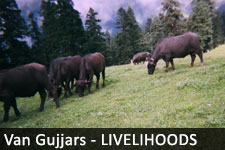
Van Gujjar families depend on reliable water while moving with buffalo herds between seasonal grazing areas. Buffalo need clean water for drinking, cooling, bathing, and maintaining good health. When nearby springs provide a dependable supply, herders can manage animals with less pressure on distant ponds or streams.
Water availability also affects milk production. Heat, dehydration, and long journeys can reduce animal health and productivity, affecting household nutrition and income. A protected spring near a settlement or grazing route can make daily livestock care safer and more efficient.
Village life depends on nearby water
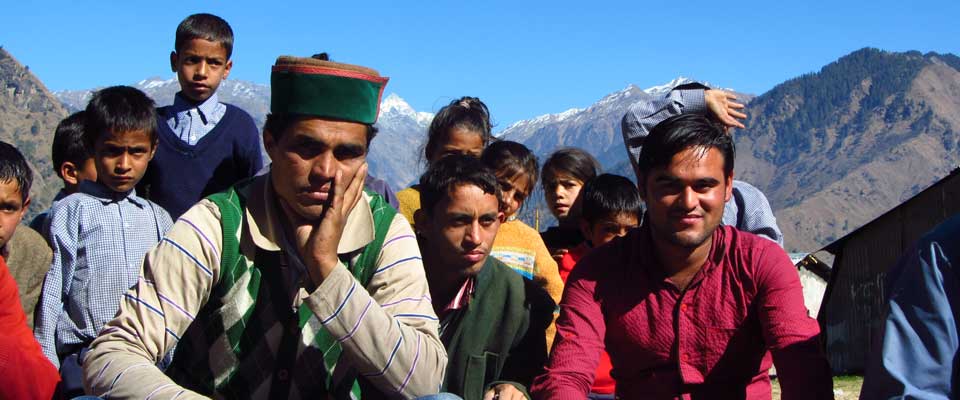
In mountain villages, spring water supports cooking, washing, sanitation, small kitchen gardens, and household animals. Many hill settlements have limited alternatives because rivers may be far below the village, while piped systems can be irregular or expensive to maintain.
The burden of collecting water often falls on women and girls. A declining water source can take hours from education, paid work, farming, and community participation. Restoring a local spring can therefore improve health and save time while strengthening dignity and household security.
Forests and springs are closely connected
Most mountain springs are fed by rain and snow that enter the ground through forests, soil, and rock formations. Vegetation slows runoff, reduces erosion, and helps water seep gradually into underground channels. Deforestation, road construction, unmanaged grazing, and changing rainfall patterns can interrupt this natural recharge process.
Spring protection may include planting native species, limiting disturbance around recharge zones, controlling waste, and monitoring seasonal flow. Such measures work best when communities identify the source area themselves and combine local ecological knowledge with technical support.
| Community need | How a healthy spring helps | Risk when flow declines |
|---|---|---|
| Buffalo husbandry | Provides water for drinking and cooling | Dehydration, illness, and lower milk yield |
| Household use | Supports drinking, cooking, and sanitation | Longer collection journeys and unsafe water |
| Pastoral mobility | Makes seasonal grazing routes practical | Route changes and pressure on other sources |
| Village agriculture | Supports gardens and small crops | Reduced food production |
| Forest health | Encourages protection of recharge areas | Erosion and faster surface runoff |
Water security is a rights issue
Access to safe water is closely tied to the rights of indigenous and forest-dependent communities. Decisions about springs, watersheds, grazing routes, and forest resources should include the people whose lives depend on them. Excluding herders and villagers can result in rules that overlook seasonal movement and customary use.
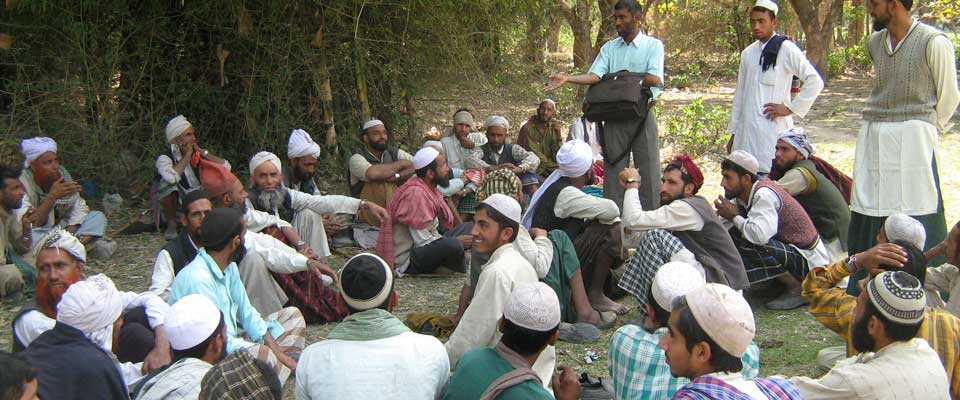
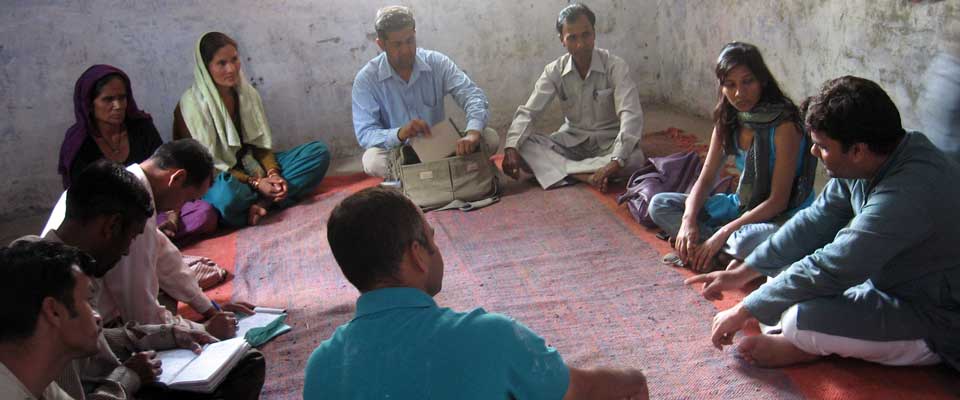
Community participation also strengthens accountability. Local water committees, village groups, and pastoral representatives can record changes in flow, identify pollution, and discuss fair access. Their involvement helps ensure that development projects respect domicile rights, forest rights, and established relationships with the landscape.
Climate change increases the pressure
Many Himalayan communities are observing less predictable rainfall, longer dry periods, intense storms, and warmer temperatures. These changes can reduce groundwater recharge even when a region receives heavy rain in short bursts. A spring may flow strongly for a few weeks and then weaken during the season when people and animals need it most.
Reliable monitoring can reveal these changes before a crisis develops. Community members can track flow, water quality, rainfall, and use throughout the year. This information can support village planning, government engagement, watershed restoration, and advocacy for suitable infrastructure.
Community action can protect water sources
Spring conservation is more effective when it is designed around local priorities and maintained over time. Useful activities may include:
- Mapping springs, recharge areas, grazing routes, and seasonal settlements with community members
- Building or repairing safe collection points while preventing livestock contamination
- Restoring slopes with native plants and reducing erosion near recharge zones
- Creating fair water-use agreements for households, herders, and animals
- Training local monitors to record spring flow and report emerging risks
Partnerships between communities, NGOs, researchers, and government departments can bring technical knowledge and funding without taking decision-making away from residents. Organizations such as SOPHIA can help connect rights-based advocacy, social mobilization, sustainable pastoral livelihoods, and practical spring protection.
Freshwater springs are small in size but large in importance. They sustain buffalo, families, forests, and the continuity of pastoral traditions. Supporting community-led water conservation helps protect both the natural systems that produce spring water and the rights of the people who depend on it.
SOPHIA welcomes collaboration with communities, civil society groups, public institutions, and supporters working for secure water, healthy forests, and dignified livelihoods in the Himalayan region. Learn about its projects, share relevant knowledge, and support efforts that place local communities at the center of spring and watershed protection.