



How Roads Are Reshaping Traditional Pastoral Migration
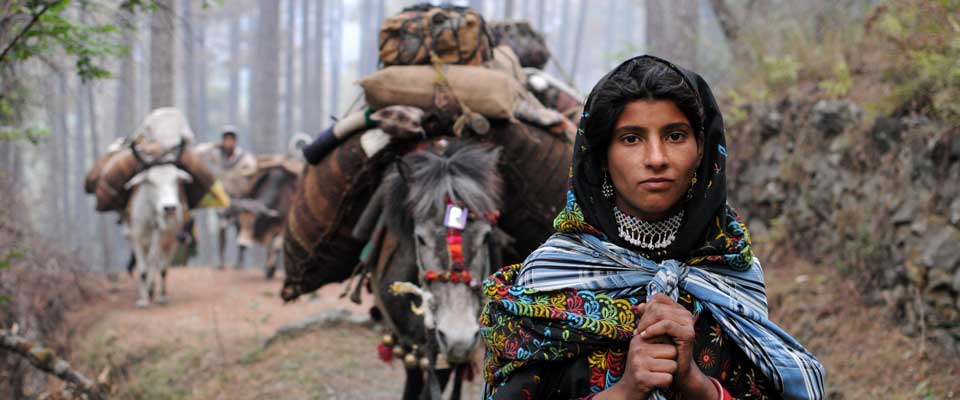
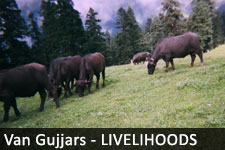
For Van Gujjar families and other pastoral communities in the Himalayas, seasonal movement is more than a livelihood practice. It connects winter and summer grazing areas, supports buffalo husbandry, and carries knowledge of forests, water sources, weather, and safe passage across generations.
Road construction can bring important benefits. Better access to markets, schools, health services, and public transport can reduce isolation and help communities sell milk more efficiently. Yet a new road can also divide grazing corridors, restrict access to forest land, and make established migration routes difficult or dangerous to use.
The effects depend on where roads are built, how construction is managed, and whether local residents participate in decisions. A rights-based approach can help ensure that connectivity strengthens pastoral livelihoods instead of displacing them.
Why seasonal routes matter
Traditional migration routes follow ecological patterns. Van Gujjar households may move between lowland forests and higher-altitude pastures as seasons change, taking buffalo to areas with suitable grass, water, and shelter. These routes are often informal and may not appear on official maps, even when communities have used them for decades.
A route can include resting places, river crossings, narrow forest passages, and shared grazing spaces. Losing one section may force families to take longer paths, pay for transport, or abandon seasonal movement altogether. This can increase costs and reduce access to pasture, weakening a system that has supported families for generations.
Benefits and pressures created by new roads
Improved roads can shorten travel time and make milk collection more reliable. Families may reach veterinary services sooner, purchase livestock supplies, and respond more quickly during illness or emergencies. Roads can also create opportunities for young people who need access to education and employment.
The risks arise when construction ignores customary land use. Road widening may remove fodder, damage springs, or block a passage used by livestock. Heavy machinery, traffic, dust, and noise can disturb animals and increase the chance of accidents, particularly where buffalo and people cross busy routes. Commercial development around new roads may add pressure through land sales, settlement expansion, and restrictions on common resources.
| Change linked to road construction | Potential benefit | Possible effect on pastoral migration |
|---|---|---|
| Improved market access | Faster milk sales and lower transport costs | Greater dependence on fixed collection points |
| Easier public transport | Better access to schools and health care | Seasonal camps may become less viable if routes are blocked |
| Roadside employment | New income opportunities | Young people may leave pastoral work |
| Bridge and culvert construction | Safer river crossings | Poorly designed structures can prevent livestock movement |
| Increased traffic | More trade and services | Higher accident risk and disturbance to animals |
Effects on forests, water, and livestock
Roads alter drainage patterns and can cause soil erosion on steep slopes. Cut slopes may collapse during heavy rain, while poorly planned culverts can divert water away from springs or flood grazing areas. The loss of vegetation along a route reduces available fodder and can make buffalo travel more difficult.
Construction camps and roadside settlements may also increase waste, fuelwood collection, and competition for water. When access to forest resources becomes restricted, pastoral families may face penalties or conflict even though their seasonal use predates the road. Recognizing these pressures is essential for protecting forest and domicile rights.
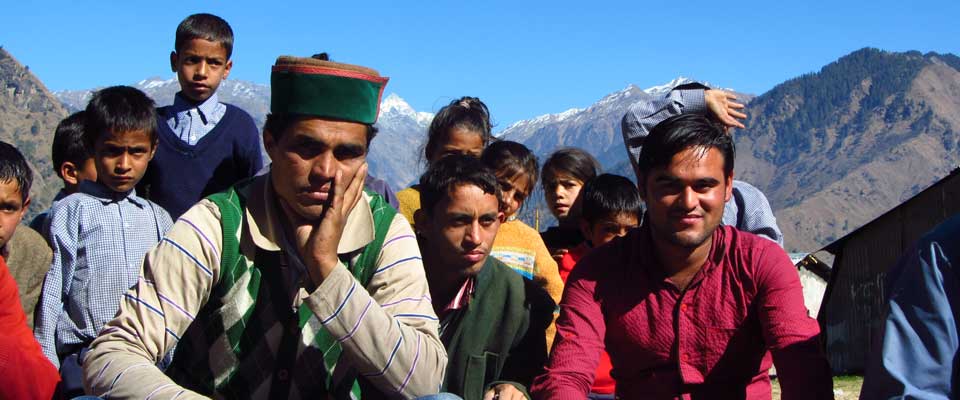
SOPHIA works with Van Gujjar communities and Himalayan village communities whose livelihoods are closely connected to forests, mobility, and livestock. Their experience can help identify the social and ecological impacts that technical surveys often miss.
Participation must begin before construction
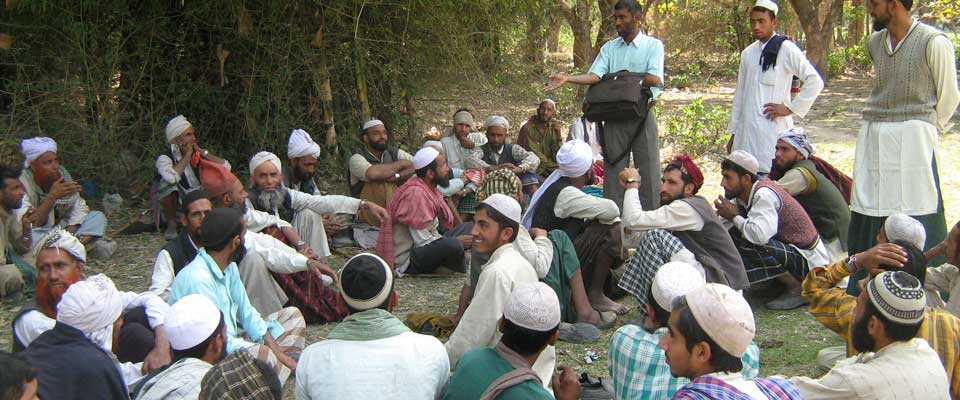
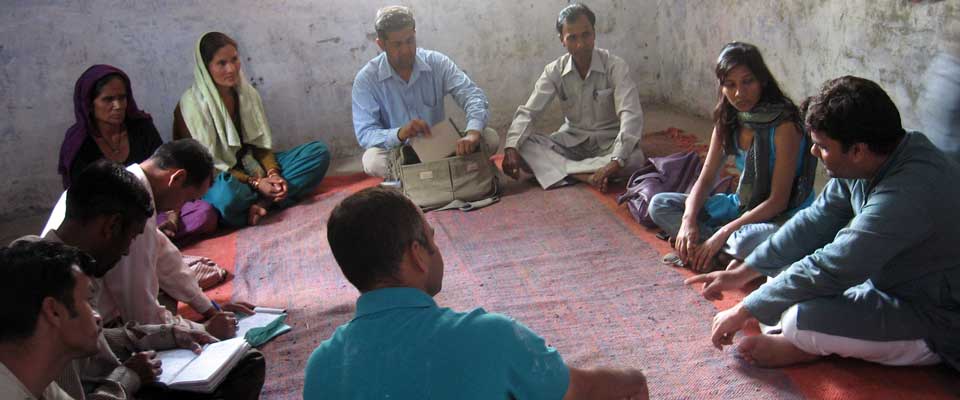
Consultation should take place before route alignment and land acquisition are finalized. Community members can identify migration corridors, grazing grounds, water points, temporary settlements, and places where livestock regularly cross. Women and older pastoralists should be included because they often hold detailed knowledge of seasonal movement and household needs.
Participatory mapping can combine local knowledge with satellite imagery, village records, and forest maps. The resulting information should be recorded in accessible formats and used in environmental and social impact assessments. Consultation is meaningful only when communities receive clear information, have time to respond, and can see how their concerns affect final decisions.
Practical safeguards for mobility
Road agencies, local governments, and community organizations can reduce harm through careful design and accountable monitoring. Useful measures include livestock underpasses or marked crossings, safe shoulders, water-source protection, and construction schedules that avoid peak migration periods.
- Map customary routes before approving road alignments.
- Build livestock crossings near established passage points.
- Protect springs, grazing patches, and seasonal camps from spoil dumping.
- Create local monitoring groups to report blocked routes, accidents, and erosion.
- Include compensation and restoration plans when access to common land is affected.
These safeguards should be supported by clear responsibilities. A crossing that is built but not maintained will quickly become unsafe, while a route map has little value if contractors and enforcement agencies cannot access it.
Linking connectivity with community rights
Road development should be measured by more than distance reduced or vehicles counted. It should also be assessed through its effect on food security, milk marketing, forest access, household income, and cultural continuity. A road that improves services while preserving movement can support resilience; one that removes access to grazing can create long-term vulnerability.
Government departments, panchayats, engineers, forest officials, and civil society groups can work together to document customary use and resolve disputes. Community-led monitoring, legal awareness, and advocacy can help pastoral families claim fair participation in decisions affecting their land and livelihoods.
SOPHIA’s work demonstrates why infrastructure planning must include the people who depend on seasonal mobility. Support organizations that strengthen indigenous rights, sustainable pastoral livelihoods, and community participation by learning about local projects, sharing reliable information, and contributing to rights-based initiatives.