




The economic value of non-timber forest products
Forests provide far more than timber. Across the Himalayan foothills, households depend on edible plants, medicinal herbs, fodder, fuelwood, fibres, resins, honey, mushrooms, and other wild products for food, health, livestock care, and cash income. These resources support daily life while strengthening local resilience during seasonal shortages.
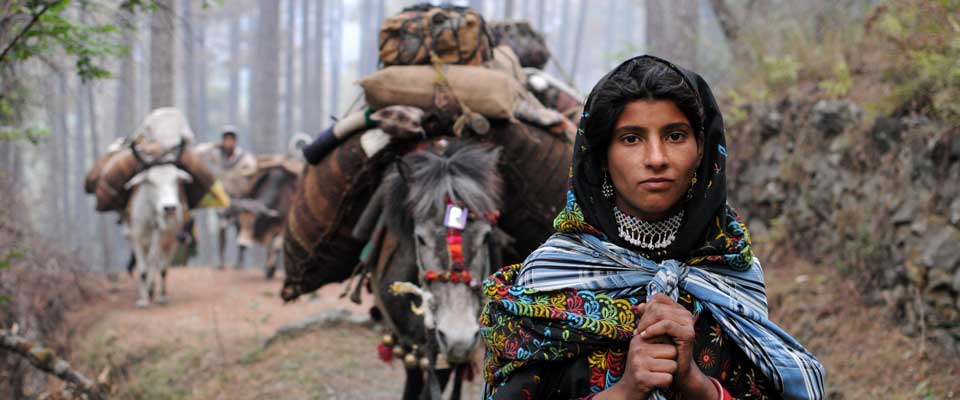
For Van Gujjar pastoralists and Himalayan village communities, forest-based livelihoods are closely connected to customary rights, mobility, buffalo husbandry, and ecological knowledge. Recognising this contribution can improve development planning and make conservation more equitable.
Forest products as household assets
Non-timber forest products (NTFPs) reduce household spending by supplying food, medicines, animal fodder, and materials that families would otherwise need to purchase. Wild greens, fruits, roots, leaves, and mushrooms can improve dietary diversity, particularly when agricultural harvests are limited.
Some products also generate direct income. Families may sell honey, medicinal plants, bamboo items, leaf plates, fuelwood substitutes, or locally processed foods in village markets. Even small sales can pay for school supplies, transport, healthcare, and livestock needs.
Supporting pastoral and rural economies
Pastoral communities often rely on forests as part of a wider production system. Fodder trees, grasses, and seasonal forage help maintain buffalo health and milk production. Forest access can therefore influence household earnings from milk, ghee, curd, and livestock sales.
The Van Gujjar communities illustrate how indigenous livelihoods are shaped by long-standing relationships with forests and grasslands. Protecting those relationships supports both cultural continuity and practical economic security.
Where value is created and lost
The price paid for a forest product rarely reflects the full effort involved in collecting, sorting, drying, transporting, and selling it. Women frequently perform much of this work, yet traders or intermediaries may receive the largest share of the final market value.
| Product or resource | Household contribution | Main income opportunity | Common risk |
|---|---|---|---|
| Honey and wax | Food, medicine, household use | Bottling, branding, local retail | Adulteration and unstable prices |
| Medicinal plants | Traditional healthcare | Drying and regulated herbal trade | Overharvesting |
| Fodder and grasses | Buffalo and livestock support | Lower feed costs, stronger dairy output | Restricted access |
| Wild fruits and mushrooms | Nutrition and seasonal food | Pickles, dried goods, preserves | Perishability |
| Bamboo, leaves, and fibres | Household materials | Handicrafts and packaging | Limited market access |
Local processing can retain more income within the community. Cleaning, grading, packaging, preserving, and creating finished products are often more valuable than selling raw materials. Fair pricing, storage facilities, producer groups, and reliable transport can help families negotiate better terms.
Conservation and livelihoods can reinforce each other
A healthy forest is an economic asset that can continue providing benefits across generations. Community monitoring, seasonal harvesting rules, rotational collection, and protection of regeneration areas can reduce pressure on vulnerable species without excluding people from customary use.
Conservation measures work best when local users participate in decisions. Communities possess detailed knowledge about flowering cycles, grazing patterns, water sources, and sustainable collection methods. Their involvement can improve forest governance while ensuring that environmental restrictions do not undermine basic livelihoods.
Making markets fairer and more inclusive
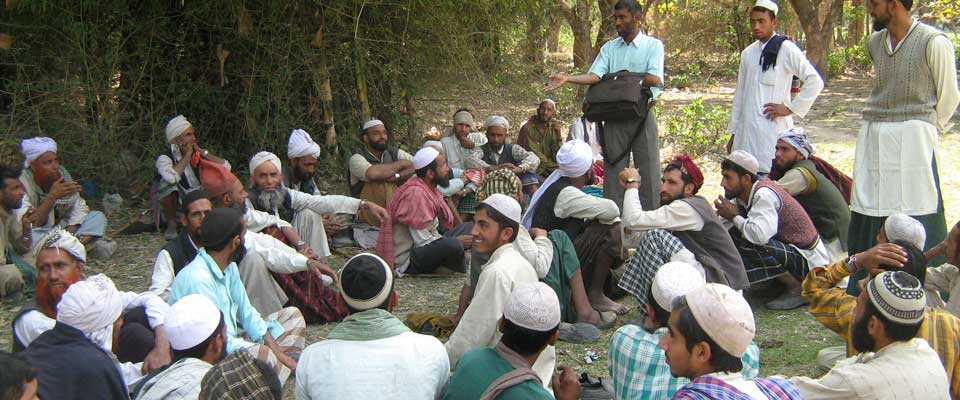
NTFP value chains need transparency. Producers should know prevailing prices, quality requirements, legal provisions, and the identity of buyers. Cooperatives and self-help groups can improve bargaining power, share equipment, and create collective brands based on origin and sustainable production.
Women’s participation deserves particular attention. Since women often collect, process, and prepare forest products, training and financial services should reach them directly. Small grants, packaging support, bookkeeping skills, and access to local institutions can turn unpaid labour into recognised economic activity.
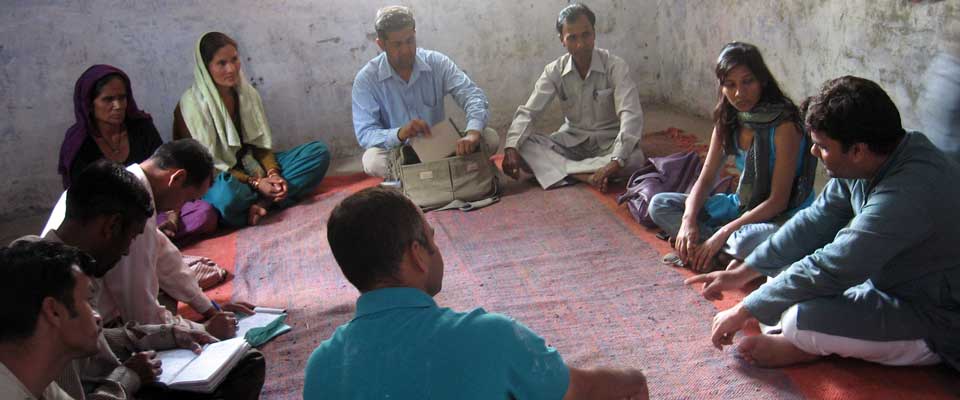
Rights-based organisations such as SOPHIA can connect community priorities with government programmes, forest authorities, and responsible market partners. This bridge is important where unclear tenure, seasonal migration, or limited documentation prevents households from accessing schemes and formal opportunities.
Practical priorities for lasting value
The economic value of non-timber forest products grows when communities control decisions and receive a fair share of benefits. Programmes should focus on realistic local systems rather than introducing products that lack a dependable market.
- Map important products, harvesting seasons, customary users, and areas requiring protection.
- Train community groups in sustainable collection, quality control, storage, and basic processing.
- Establish transparent pricing and collective marketing through cooperatives or producer groups.
- Improve recognition of forest, domicile, and livelihood rights for indigenous and pastoral households.
- Track the contributions of women, youth, and seasonal workers in household income assessments.
These steps can link biodiversity protection with food security, livestock development, and dignified employment. They also make the contribution of forests visible in local planning and public policy.
Build recognition for community forest economies
Forests should be valued through the full range of benefits they provide: income, nutrition, healthcare, fodder, cultural identity, climate resilience, and ecological protection. Measuring only timber revenue leaves out the economic foundations of many rural households.
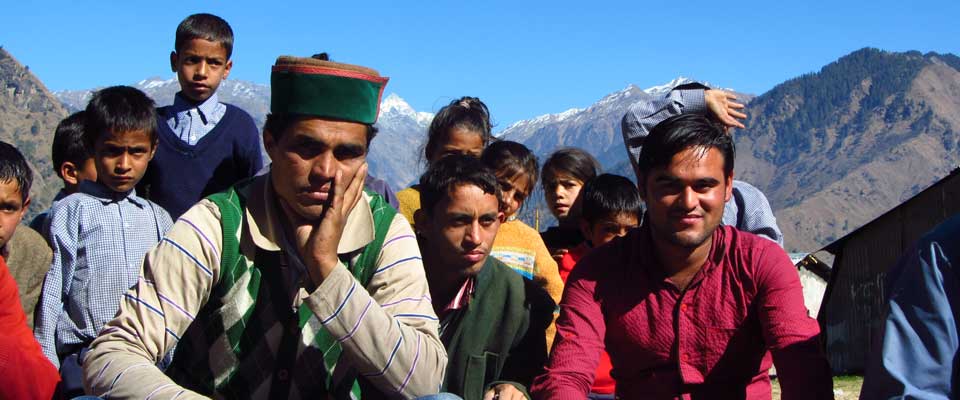
SOPHIA’s work with Van Gujjar and Himalayan communities offers a pathway grounded in social mobilisation, advocacy, government engagement, and partnership. Support community-led research, rights awareness, sustainable enterprise, and fair market access so that forest stewardship and secure livelihoods can advance together.