



The Economic Impact of Milk Price Fluctuations on Pastoralists
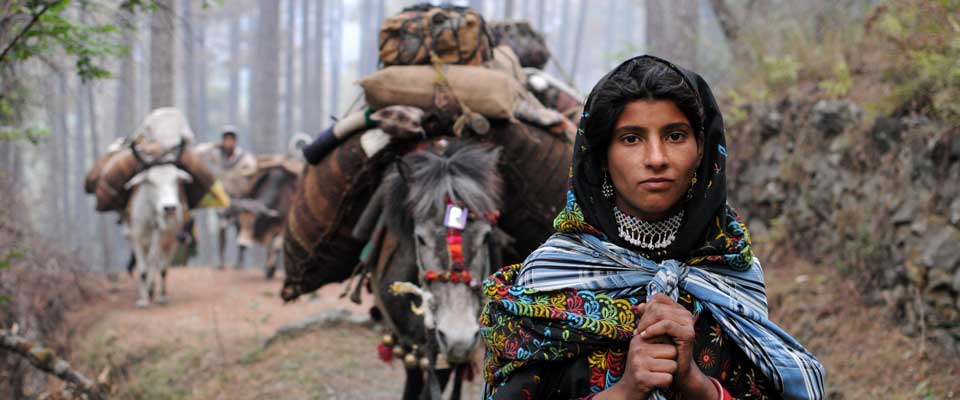
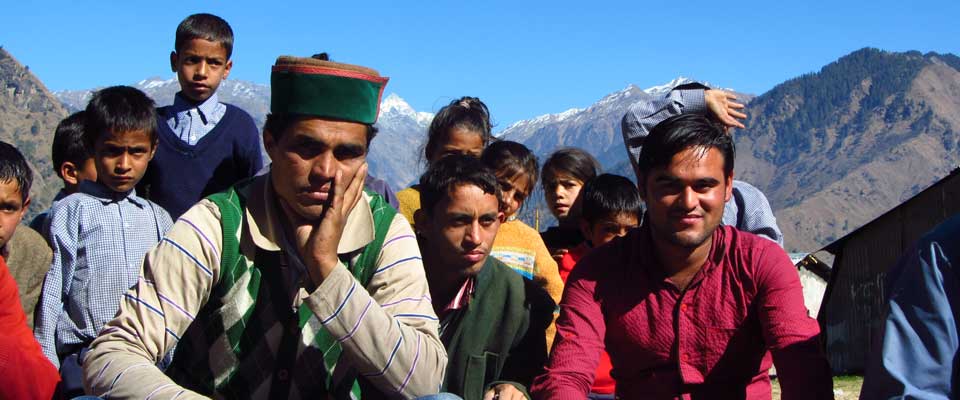
For pastoral communities, milk is more than a farm product. It is a daily source of income, nutrition, and economic security. Among Van Gujjar families and Himalayan village households, buffalo milk supports food purchases, education, healthcare, livestock care, and seasonal travel.
When milk prices fall, the effect reaches far beyond the payment received for a litre. Pastoralists may have limited access to cold storage, formal credit, veterinary services, and reliable transport. This leaves them exposed to sudden changes in demand, collection practices, feed costs, and weather conditions.
Understanding these pressures is essential for designing fairer dairy markets and stronger pastoral livelihoods. Community-led action, rights-based advocacy, and better engagement with government agencies can help families retain more value from their work.
Why Milk Prices Matter to Pastoral Households
Milk sales often provide the most regular cash income available to mobile and semi-mobile pastoral families. A household may sell milk every day while receiving other income only during particular seasons. This dependable cash flow pays for essentials that cannot be produced within the household.
A small price reduction can therefore create an immediate budget gap. Families may postpone medical treatment, reduce food variety, delay school expenses, or borrow money at unfavorable rates. The impact is particularly severe when several animals are lactating and the household depends heavily on dairy revenue.
Costs Rise While Farm-Gate Prices Move Slowly
The price received by a pastoralist does not reflect the full cost of production. Fodder, veterinary medicines, transport, salt, equipment, and labor all affect the household’s margin. During droughts, harsh winters, or restricted access to grazing areas, purchased feed can become a major expense.
Milk is also perishable. Producers who lack chilling facilities or alternative buyers may have to accept the rate offered by a collector. This weak bargaining position allows market intermediaries to absorb a larger share of the final consumer price, even when the pastoralist carries the greatest production risk.
Seasonal Income and Vulnerability
Milk yields change with animal health, fodder availability, migration patterns, and seasonal breeding cycles. Prices may also fluctuate during festivals, school holidays, tourist seasons, or periods of reduced urban demand. These changes make household planning difficult.
For Van Gujjar communities, access to forests, traditional migration routes, and safe grazing areas directly influences dairy productivity. Restrictions on forest and domicile rights can raise production costs and reduce access to essential resources. A lower milk price can then compound pressures created by insecure tenure and limited public services.
| Market condition | Immediate effect on pastoralists | Longer-term economic risk |
|---|---|---|
| Stable, cost-linked price | Predictable daily income | Greater ability to invest in animals and education |
| Seasonal price decline | Reduced household cash flow | Debt, delayed healthcare, and lower food security |
| Rising feed and medicine costs | Narrower profit margin | Herd reduction or distress livestock sales |
| Limited buyers or collection points | Dependence on local intermediaries | Weak bargaining power and unequal value distribution |
| Reliable chilling and cooperative marketing | Lower spoilage and better negotiation | Stronger local dairy economy and income resilience |
The Wider Community Impact
Milk price instability affects entire villages, not just individual sellers. When pastoral households have less purchasing power, local shops, transport providers, animal health workers, and small service businesses may also lose income. A weak dairy market can therefore slow economic activity across a wider area.
Women frequently manage milking, animal care, household budgeting, and the sale of dairy products. Yet they may have limited control over formal accounts, producer groups, or market negotiations. Fair milk pricing combined with women’s participation in cooperatives can improve household resilience and strengthen decision-making.
Building Fairer Dairy Markets
Better market access can reduce the power imbalance between producers and buyers. Transparent weighing, regular quality testing, written payment records, and prompt settlement help pastoralists understand what they are being paid and why. Local collection centers can reduce travel time and prevent spoilage.
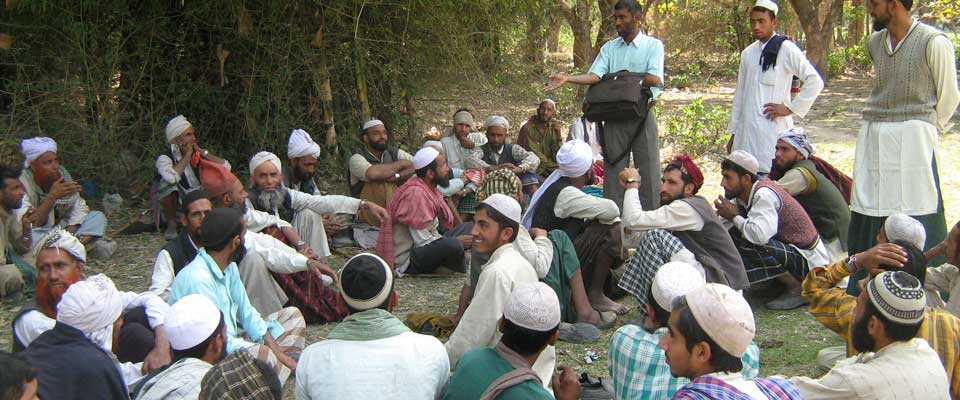
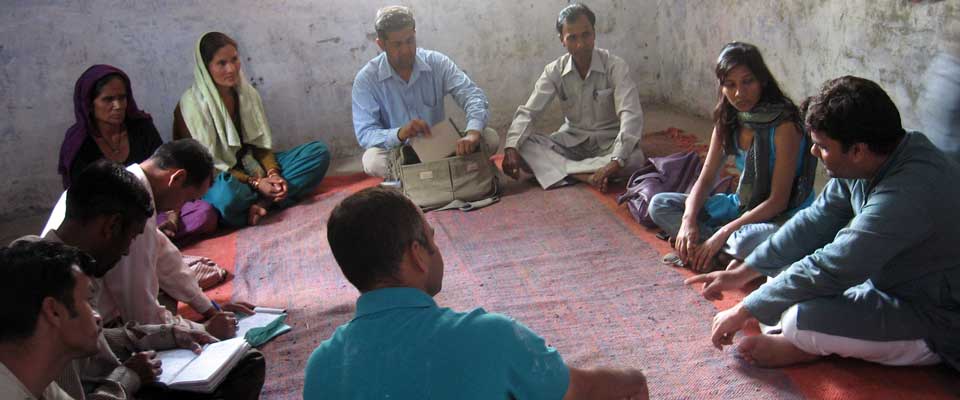
Producer groups and cooperatives may also improve bargaining power by pooling milk, arranging transport, purchasing feed, and negotiating with institutional or private buyers. These structures work best when they are accountable to members and adapted to pastoral mobility rather than copied from fixed-farm models.
Priorities for Stronger Pastoral Incomes
Public programs and civil society partnerships should address both the price received for milk and the costs incurred to produce it. A fair system must recognize the value of indigenous buffalo husbandry, traditional knowledge, forest access, and pastoral labor.
Useful measures include:
- Link milk prices to changes in feed, veterinary, transport, and labor costs.
- Expand community-owned collection and chilling facilities in remote areas.
- Support women-led dairy groups with training, financial access, and transparent governance.
- Improve veterinary outreach, breeding services, fodder development, and emergency livestock care.
- Protect forest, grazing, migration, and domicile rights that sustain pastoral production.
SOPHIA can contribute by connecting community experience with government engagement, social mobilization, research, and partnerships among NGOs. Documentation of local milk economies can also support stronger advocacy for policies that reflect real production costs and seasonal realities.
Turning Market Pressure into Community Action
Addressing milk price fluctuations requires more than short-term relief. Pastoralists need secure rights, accessible services, reliable infrastructure, and a meaningful role in decisions that affect their livelihoods. Stable and transparent dairy markets can help families invest in healthy buffaloes, education, nutrition, and the future of their communities.
Support for SOPHIA’s work helps strengthen the voice of Van Gujjar and Himalayan village communities. Learn about its projects, connect through its partnerships, share its advocacy, or contribute to initiatives that advance sustainable pastoral livelihoods and fairer milk markets.