



SOPHIA’s Role in Securing Land Rights for Village Communities
For village communities in the Himalayan foothills, land is closely connected to housing, cultivation, grazing, forests, water, and cultural identity. Yet formal records do not always reflect customary use. Families may depend on common land or forest areas for generations without holding documents that government systems recognize.
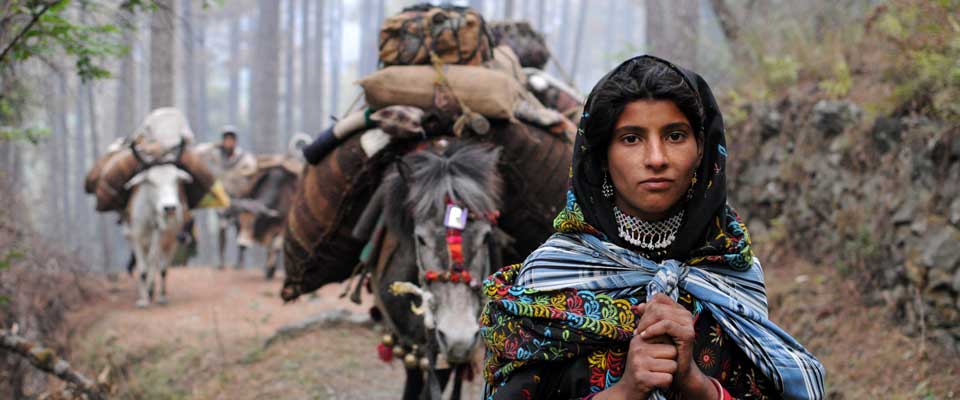
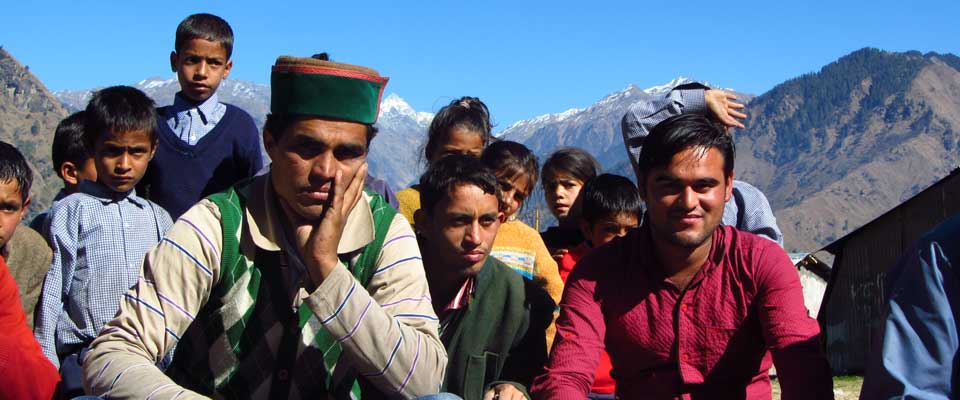
SOPHIA works with Van Gujjar and Himalayan village communities in Uttarakhand, Himachal Pradesh, and Uttar Pradesh to address this gap. Its approach combines social mobilization, rights awareness, documentation, advocacy, and engagement with public institutions.
Land rights work is therefore more than a legal exercise. It is a process through which communities strengthen their voice, protect sustainable livelihoods, and participate in decisions affecting their homes and natural resources.
Building Community Awareness Of Rights
Many households face difficulty claiming rights because legal procedures are complex, records are incomplete, and information may not reach remote settlements. SOPHIA helps communities understand relevant protections, including forest, domicile, pastoral, and community resource rights.
Awareness activities can clarify who may be eligible, which documents are useful, and how collective claims differ from individual applications. This shared understanding helps residents discuss land issues openly and reduce dependence on intermediaries who may not represent community interests.
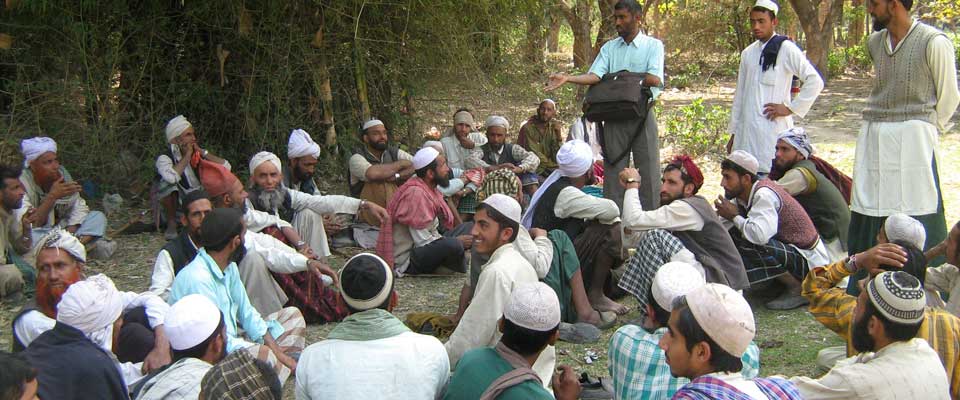
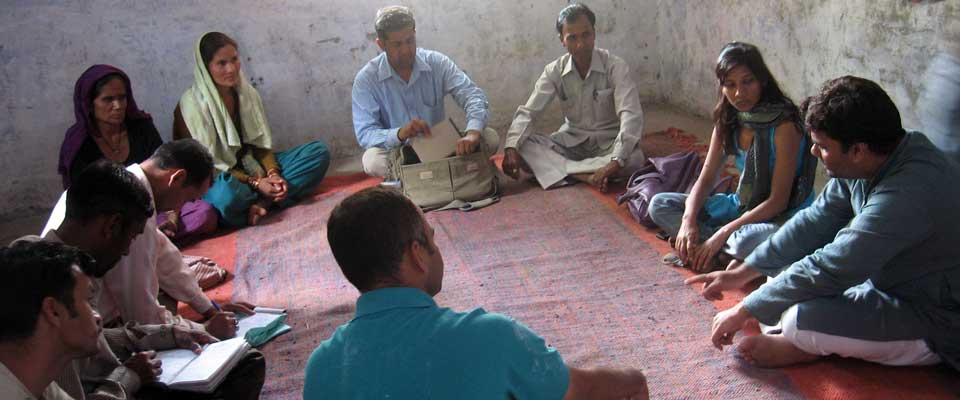
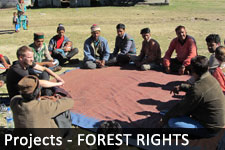
Community meetings also create space for women, pastoral families, and other frequently overlooked groups. Broad participation makes rights claims more representative and strengthens the legitimacy of village-level decisions.
Documenting Customary Use And Community Claims
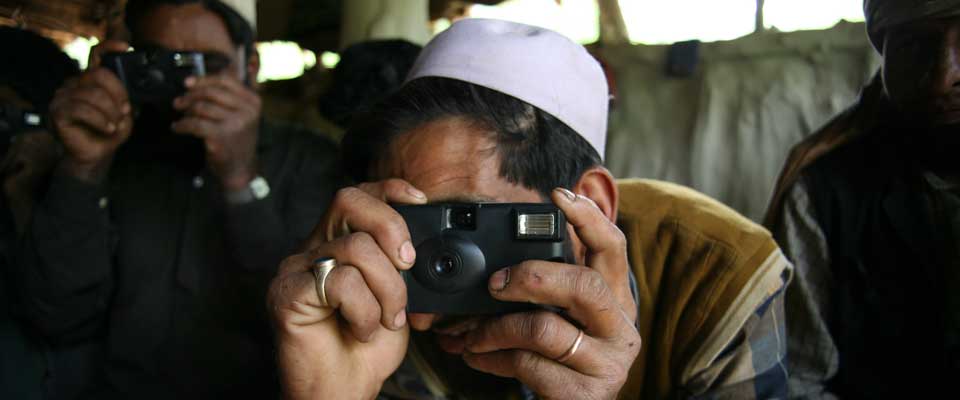
A strong claim depends on credible evidence. SOPHIA supports communities in recording settlement histories, traditional routes, grazing patterns, cultivated areas, household information, and the use of forests or shared resources. Oral testimony, local maps, photographs, administrative records, and other forms of documentation can complement one another.
This process makes local knowledge visible within official systems. It can also reveal inconsistencies between government records and the realities experienced by residents. Careful documentation helps communities present their situation clearly before gram sabhas, revenue authorities, forest officials, and other institutions.
The work requires patience because land records may involve several departments. SOPHIA’s rights-based support helps communities organize evidence collectively rather than approaching each problem as an isolated household dispute.
Connecting Legal Recognition With Livelihood Security
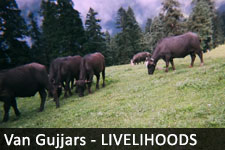
Land tenure affects whether families can invest in homes, improve livestock care, cultivate responsibly, or access public services. For Van Gujjar communities, secure access to customary areas is also connected to buffalo husbandry, seasonal movement, fodder, and milk production.
SOPHIA links rights advocacy with sustainable pastoral livelihoods. This integrated approach recognizes that a title or official recognition has limited value if people cannot continue using essential grazing routes, water sources, and forest resources in lawful and sustainable ways.
| Community need | Rights-based response | Wider benefit |
|---|---|---|
| Recognition of customary residence | Support with records and applications | Greater tenure security |
| Access to grazing and forest resources | Collective claims and local advocacy | Sustainable pastoral practices |
| Protection of common land | Community monitoring and dialogue | Reduced conflict and resource loss |
| Better livelihood opportunities | Buffalo husbandry and milk marketing support | Stronger household income |
| Participation in local decisions | Social mobilization and government engagement | More accountable governance |
Engaging Government And Local Institutions
Land rights are secured through public processes, so constructive engagement with authorities is essential. SOPHIA helps communities communicate with panchayats, gram sabhas, revenue offices, forest departments, and district administrations.
The organization can support dialogue by presenting community evidence, explaining legal concerns, and encouraging officials to consider local circumstances. Advocacy is more effective when it is grounded in organized records and a clear account of the community’s priorities.
Partnerships with other civil society organizations can extend this work. Cooperation allows groups to share legal knowledge, field experience, and advocacy networks while maintaining community leadership at the center of each case.
Strengthening Collective Voice And Accountability
Individual families often have limited influence when confronting unclear boundaries, eviction risks, or bureaucratic delays. Collective organization gives residents greater capacity to monitor decisions, follow applications, and request explanations from responsible offices.
SOPHIA’s social mobilization work encourages communities to identify shared concerns and develop practical action plans. It also supports a culture of accountability within the community, where decisions about common resources are discussed transparently and local representatives remain answerable to residents.
A stronger collective voice can influence wider policy conversations about indigenous rights, forest governance, pastoral mobility, and rural development. It helps shift the focus from short-term relief toward durable recognition and participation.
Supporting Long-Term Community Action
Securing land rights can take time, particularly where several types of tenure overlap or where records have not been updated. Communities benefit from consistent follow-up, reliable information, and local people who can continue the work after a specific project ends.
Useful priorities include:
- Train community representatives to track applications, notices, and official decisions.
- Maintain updated maps and records of homes, grazing areas, water sources, and common land.
- Include women and marginalized households in rights committees and village meetings.
- Build regular communication with panchayats, gram sabhas, and relevant government departments.
- Connect land rights with livestock care, milk marketing, and other sustainable livelihood initiatives.
SOPHIA’s role is strongest when external support reinforces local leadership. The organization can provide facilitation and advocacy while communities define their own needs, protect their knowledge, and guide decisions about their future.
People who want to contribute professional skills, field experience, or organizational support can explore SOPHIA’s team and learn how participation can support rights-based development.
Land security gives village communities a stronger foundation for dignity, mobility, livelihood planning, and cultural continuity. By combining evidence, organization, advocacy, and partnerships, SOPHIA helps transform community concerns into recognized rights and more responsive governance. Support this work by sharing its mission, building responsible partnerships, or taking part in initiatives that place Himalayan communities at the center of decisions about their land and resources.