



SOPHIA’s Annual Report Highlights: Achievements and Challenges
SOPHIA’s annual reporting offers a useful view of how rights-based development works with Van Gujjar and Himalayan village communities. Its work connects forest and domicile rights with everyday concerns such as pastoral livelihoods, buffalo care, milk sales, and access to public services.
The report’s central message is that lasting change begins with community voice. Through social mobilization, advocacy, government engagement, and collaboration with other organizations, SOPHIA helps indigenous families strengthen their ability to claim rights and shape decisions affecting their land, work, and future.
Its achievements also sit alongside persistent challenges. Remote settlements, complex documentation processes, changing forest policies, climate pressure, and uncertain rural markets continue to influence the pace and sustainability of progress.
Advancing forest and domicile rights
A major area of achievement is the continued focus on forest rights and domicile recognition. For Van Gujjar families and other forest-dependent communities, legal identity and secure access to traditional landscapes are closely tied to education, public welfare, mobility, and livelihood security.
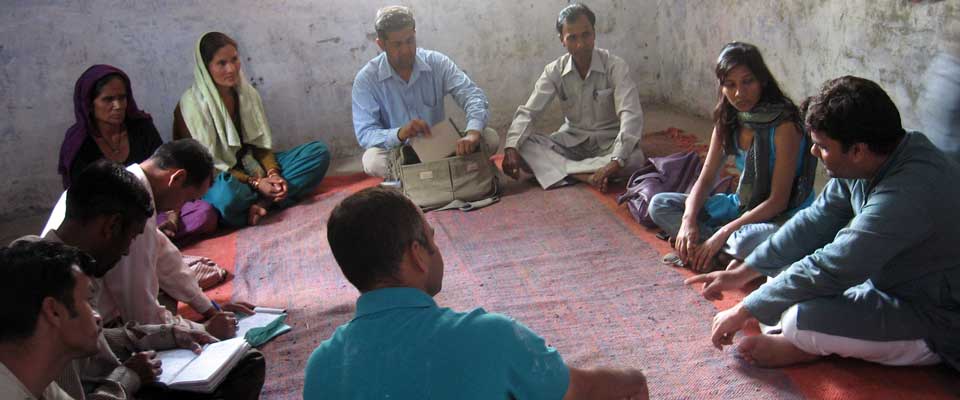
SOPHIA’s approach combines awareness-building with collective action. Community meetings, rights education, documentation support, and dialogue with public authorities can help families move from being passive recipients of services to active participants in local governance.
This work is rarely resolved through a single application or meeting. It requires patience, accurate records, trusted local leadership, and sustained engagement with government institutions.
Protecting pastoral livelihoods
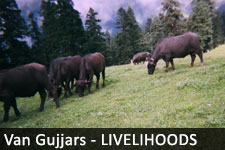
Pastoralism remains an important source of food, income, culture, and social identity for Van Gujjar households. SOPHIA’s support for sustainable pastoral livelihoods recognizes that buffalo husbandry is more than an economic activity: it is part of a living system shaped by seasonal movement, grazing access, animal health, and family labor.
The annual report highlights the value of practical knowledge alongside advocacy. Better livestock care, access to veterinary services, improved fodder planning, and stronger community organization can increase resilience while respecting traditional practices.
Climate variability and shrinking access to grazing areas complicate this work. Water scarcity, extreme weather, disease risks, and restrictions on movement can quickly affect household income and animal wellbeing.
Improving milk marketing and household incomes
Milk marketing creates a direct connection between buffalo husbandry and financial stability. When producers can reach reliable buyers, understand pricing, maintain quality, and coordinate collection, dairy income can become more predictable.
SOPHIA’s livelihood work supports this connection through community mobilization and engagement with market actors. The focus is on strengthening producer confidence and bargaining capacity rather than treating families only as individual sellers.
| Area of work | Reported value for communities | Continuing challenge |
|---|---|---|
| Forest and domicile rights | Greater awareness of legal entitlements and public processes | Documentation, policy complexity, and slow institutional response |
| Buffalo husbandry | Healthier animals and stronger livelihood resilience | Veterinary access, fodder costs, and climate stress |
| Milk marketing | Better links between production and household income | Distance, price fluctuations, and quality management |
| Community empowerment | Stronger participation and local leadership | Sustaining engagement across dispersed settlements |
| Advocacy and partnerships | Wider support for indigenous rights | Coordinating institutions and maintaining long-term resources |
Turning partnerships into local action
SOPHIA’s work depends on relationships with communities, government departments, civil society groups, and other NGOs. These partnerships can bring technical expertise, institutional access, training opportunities, and greater visibility to issues that are often overlooked.
Government engagement is especially important when communities need support with certificates, entitlements, forest rights claims, livestock services, or rural development schemes. Constructive advocacy can help translate policy commitments into practical outcomes.
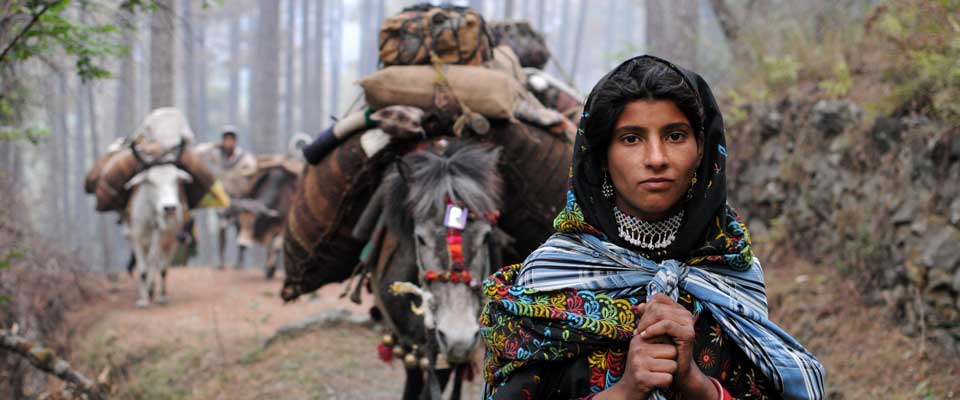
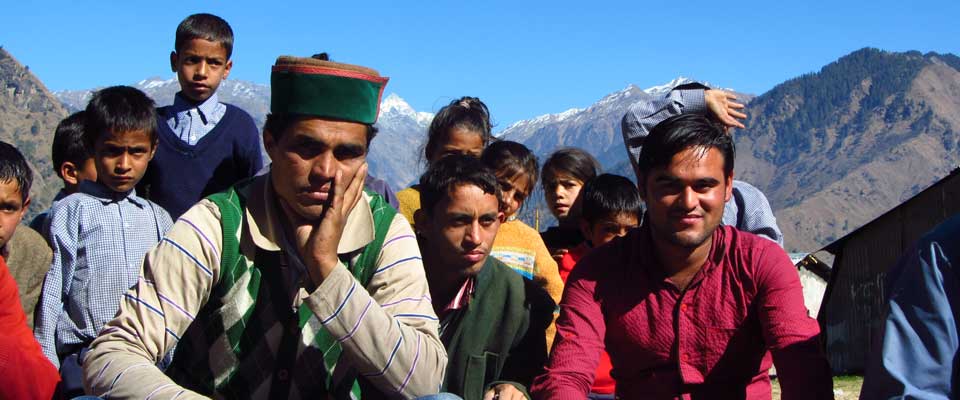
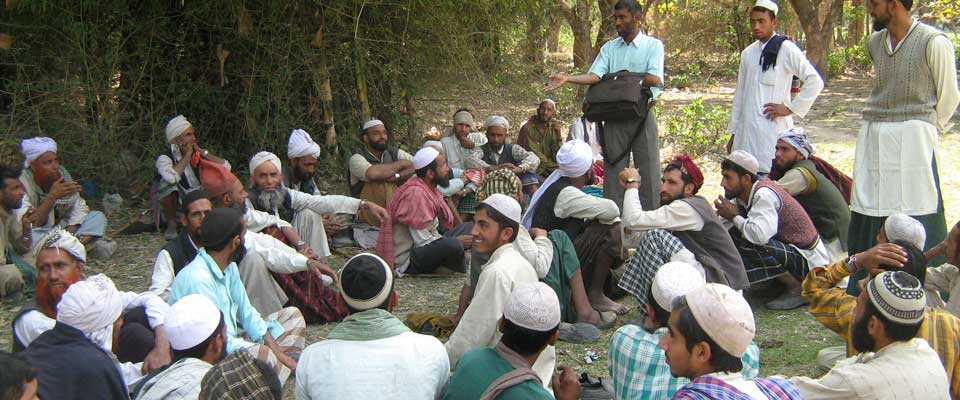
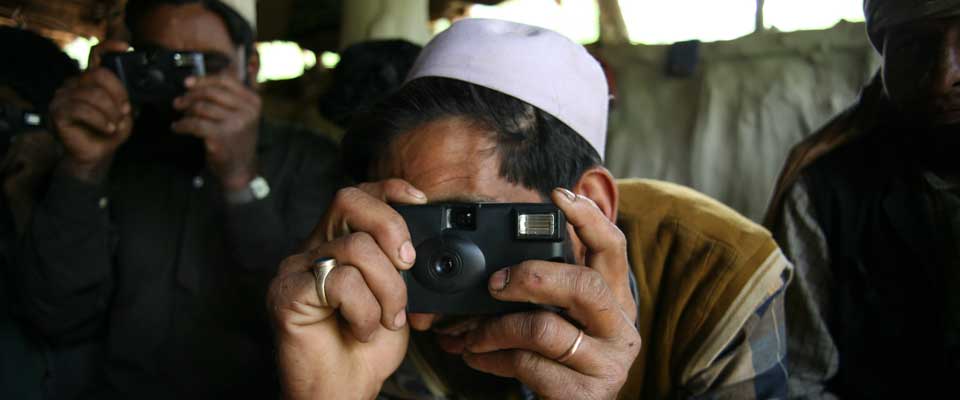
The organization’s media and photo archive also provides a window into this field-based work. Visitors can explore the community photo gallery to see the people, landscapes, and activities connected with SOPHIA’s programs.
Understanding the challenges ahead
The annual report’s challenges are structural rather than temporary. Remote geography raises the cost of travel and communication, while dispersed settlements make regular follow-up difficult. Families may also face limited access to schools, healthcare, transport, banking, and digital services.
Rights-based work requires careful attention to changing laws and administrative procedures. A community may understand its rights but still struggle to assemble records, navigate offices, or receive a timely response. These gaps can weaken trust and delay important decisions.
Economic uncertainty adds another layer. Milk prices, fodder expenses, animal health costs, and climate-related disruptions affect household planning. Sustainable progress therefore requires both policy advocacy and practical livelihood support.
Strengthening accountability and community leadership
An annual report is valuable when it links activities to community priorities and acknowledges limitations honestly. For SOPHIA, reporting can help partners understand where resources are being used, which approaches are producing results, and where additional collaboration is needed.
Community leadership remains central to that accountability. Local groups and representatives can identify emerging concerns, monitor services, preserve traditional knowledge, and ensure that development work reflects lived experience rather than outside assumptions.
Ways to support community-led work
Organizations, institutions, and individuals can contribute to this mission by:
- Supporting rights awareness, documentation assistance, and legal literacy initiatives.
- Investing in sustainable buffalo husbandry, veterinary access, and fodder security.
- Building fairer milk-marketing systems that recognize producer needs.
- Sharing research, training, communications, or institutional expertise with local partners.
- Promoting respectful public understanding of Van Gujjar and Himalayan communities.
SOPHIA’s achievements show the value of patient, locally grounded action, while its challenges underline the need for long-term commitment. Readers can learn more about its projects, communities, and engagement opportunities, then help expand partnerships that place indigenous rights, dignified livelihoods, and community leadership at the center of development.