





Navigating bureaucracy to file a forest rights claim
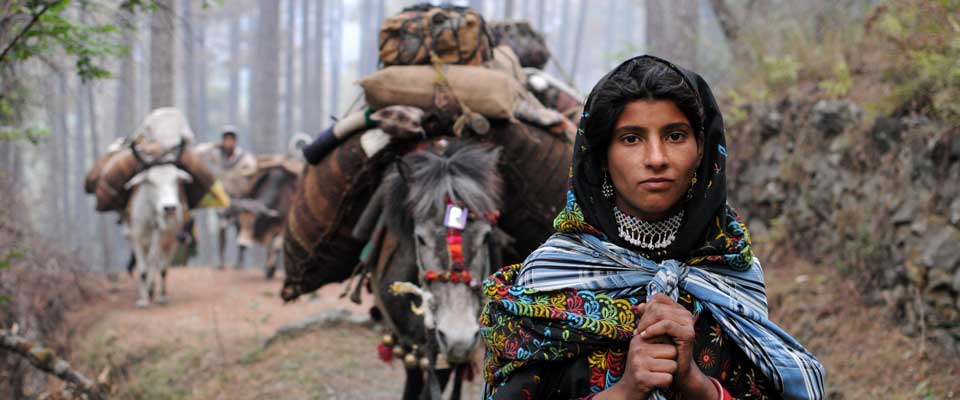
For Van Gujjar families and Himalayan village communities, a forest rights claim can protect access to grazing areas, seasonal migration routes, water sources, homes, and forest produce. The process is created by law, but paperwork, unclear instructions, and repeated visits to government offices can make it difficult to navigate.
The Scheduled Tribes and Other Traditional Forest Dwellers (Recognition of Forest Rights) Act, 2006, commonly called the Forest Rights Act or FRA, provides a legal route for recognising these rights. A strong claim depends on community participation, credible evidence, accurate maps, and careful follow-up through the correct committees.
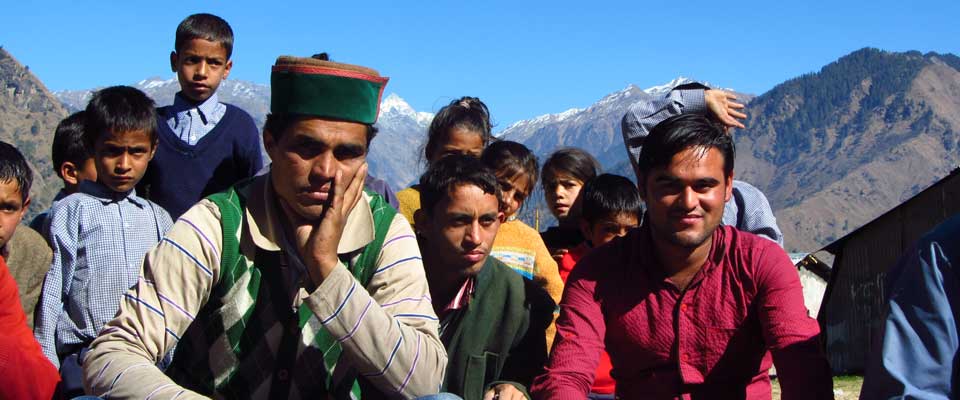
SOPHIA works with communities in Uttarakhand, Himachal Pradesh, and Uttar Pradesh to support rights-based action, social mobilisation, and engagement with public authorities. The following steps can help claimants understand the process and prepare collectively.
Understand the rights covered by the law
The FRA recognises both individual and community forest rights. Individual rights may relate to residence and cultivation on eligible forest land. Community rights can include grazing, collection of minor forest produce, access to water, seasonal movement, fishing, and customary use of shared forest areas.
Eligibility matters. A claimant must generally be a member of a Scheduled Tribe or an eligible “other traditional forest dweller” who has primarily resided in and depended on the forest for livelihood for the required period. The relevant cut-off date and documentary requirements should be checked against the Act, Rules, and current government guidance.
Begin with the Gram Sabha
The Gram Sabha is the starting point for a forest rights claim. It receives claims, verifies evidence, prepares resolutions and maps, and forwards recommendations to the Sub-Divisional Level Committee. A Forest Rights Committee, elected by the Gram Sabha, usually assists with this work.
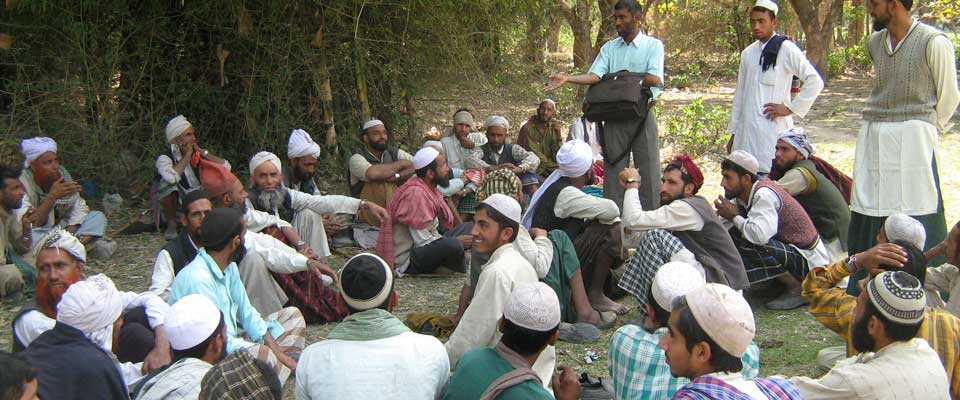
Ask for a properly announced Gram Sabha meeting and ensure that women, pastoral households, forest-dependent families, and traditionally marginalised residents can participate. The meeting record should clearly identify the claimant, the right being claimed, the location, the evidence considered, and the decision reached.
Gather evidence and prepare the map
Evidence does not have to depend on a single document. Useful material may include voter or ration records, old land or forest department documents, tax receipts, school records, testimonies from elders, customary-use records, satellite or hand-drawn maps, and statements from neighbouring residents. Oral evidence and community testimony can be important where official records are limited.
Mark boundaries carefully. For individual claims, record the location and extent of the land. For community claims, identify grazing routes, seasonal camps, water points, collection areas, and other customary spaces. Keep copies of every form, map, receipt, resolution, and submission date with a trusted community representative.
| Type of claim | Examples of rights | Useful supporting evidence | First decision point |
|---|---|---|---|
| Individual forest right | Residence or cultivation on eligible forest land | Local records, family documents, witness statements, site verification | Gram Sabha |
| Community forest right | Grazing, seasonal access, water, forest produce | Customary-use testimony, route maps, village resolution, historical records | Gram Sabha |
| Community forest resource right | Protection, management, and sustainable use of customary forest | Community map, management practices, meeting records, local knowledge | Gram Sabha |
Follow the official route
After the Gram Sabha considers a claim, it sends its recommendation to the Sub-Divisional Level Committee. That committee reviews the material and forwards its decision to the District Level Committee, which is the final authority for recognising forest rights under the FRA framework.
Track the application at every stage. Record the date of submission, the receiving office, the file or claim number, and the name of the official who accepted it. Written applications for status updates are stronger than informal visits. Submit them through a method that creates proof of delivery, such as an inward receipt, registered post, or an officially accepted online channel where available.
Respond to objections or rejection
A rejection should state reasons. Officials should not reject a claim simply because the applicant lacks a title deed, has no one type of prescribed document, or cannot produce records that were never created. The Rules allow different forms of evidence, including statements from elders and community members.
Read the decision carefully and request copies of the inspection report, maps, minutes, and evidence relied upon. The FRA process provides an opportunity to file a petition or appeal within the prescribed period. A community organisation, legal aid group, or rights worker can help prepare a factual response addressing each reason for rejection.
Organise before visiting an office
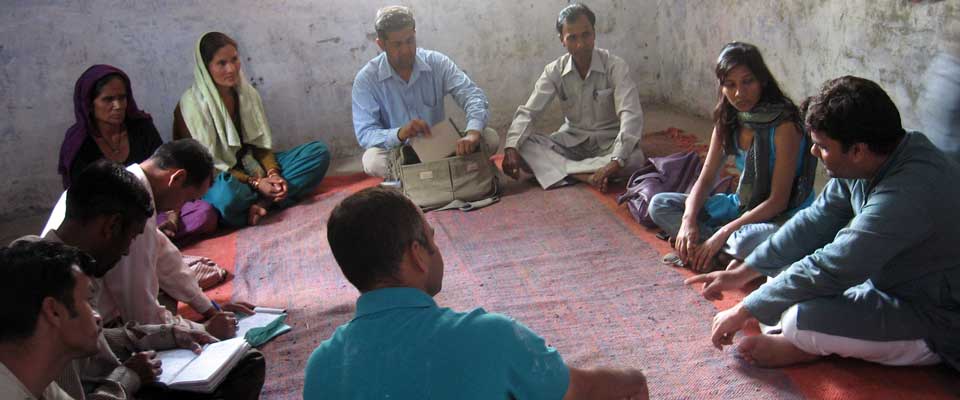
Collective preparation reduces confusion and helps families present consistent information. Create a small community file, appoint people to track documents, and review every map and name before submission.
- Hold a community meeting to identify individual and shared rights.
- Maintain a register of claimants, documents, dates, and official responses.
- Ensure women’s participation in verification, mapping, and Gram Sabha decisions.
- Use clear local-language explanations of the claim and its boundaries.
- Seek legal aid or support from a trusted rights-based organisation when a claim is delayed or refused.
A claim should describe lived dependence on the forest, not simply repeat legal terms. For pastoral communities, explain seasonal movement, buffalo grazing, water access, customary camps, and the role of forests in household income and food security.
Turn recognition into community protection
Recognition is an important legal step, but communities also need accessible records and a practical plan for managing recognised resources. Keep the final title, resolution, maps, and committee orders safely, and share copies with the community institution.
SOPHIA can be part of a wider network of community members, local organisations, advocates, and public authorities working for indigenous rights and sustainable pastoral livelihoods. Document each stage, protect the community’s evidence, and seek support early so that a forest rights claim becomes a durable foundation for dignity, mobility, and secure livelihoods.