





Milk marketing in the age of organic and A2 labels
Milk marketing is changing as consumers look beyond price, packaging, and fat content. Organic production, indigenous cattle and buffalo breeds, A2 claims, traceability, and ethical sourcing now influence purchasing decisions. These labels can create new opportunities for small producers, but they also require clarity, evidence, and fair returns.
For pastoral and village communities, selling milk is closely connected to land, forests, mobility, animal care, and local livelihoods. A successful market model must therefore protect community rights while helping producers reach buyers who value quality and responsible production.
Organizations such as SOPHIA can help connect producer groups, public institutions, civil society partners, and responsible businesses. The goal is to build a milk economy where consumer trust supports stronger rural communities rather than shifting all value to intermediaries.
What organic and A2 labels actually communicate
An organic label generally refers to defined production standards covering feed, farming inputs, animal management, processing, and record keeping. It is different from a general claim that animals graze naturally or that milk comes from a clean village environment. In India, producers and sellers must understand the applicable certification and food-safety requirements before using the term commercially.
A2 milk refers to milk containing the A2 beta-casein protein variant, usually associated with the genetic profile of particular animals. It does not automatically mean that the milk is organic, safer, more nutritious, or suitable for every consumer. Responsible marketing should distinguish between verified characteristics and broad health promises that may not be supported by sufficient evidence.
Why pastoral producers need a different market approach
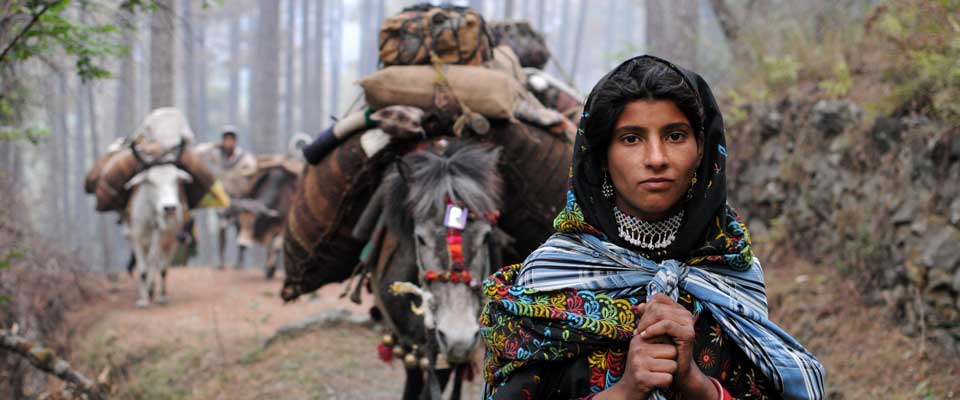
Van Gujjar pastoralists often depend on seasonal movement, forest access, buffalo husbandry, and relationships with nearby settlements. Their production system cannot always be assessed using the same assumptions applied to intensive dairy farms. Understanding Van Gujjar communities is essential when designing procurement, collection, and pricing systems.
Milk buyers should account for travel distances, irregular collection routes, animal welfare, fodder availability, and the costs of chilling and transport. Community-based collection points, transparent weighing, timely payments, and flexible schedules can make formal markets more accessible without forcing pastoral families to abandon established livelihoods.
Turning trust into a commercial asset
Labels work when consumers can verify what they mean. A producer group might record the village or pastoral route, animal type, milking date, handling conditions, and batch number. Simple paper registers can be useful at first, while digital tools may later support QR codes, subscription sales, and supply-chain monitoring.
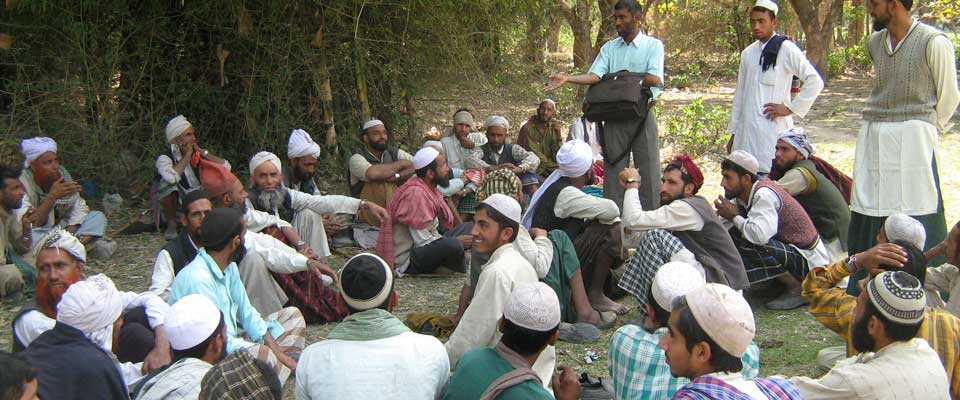
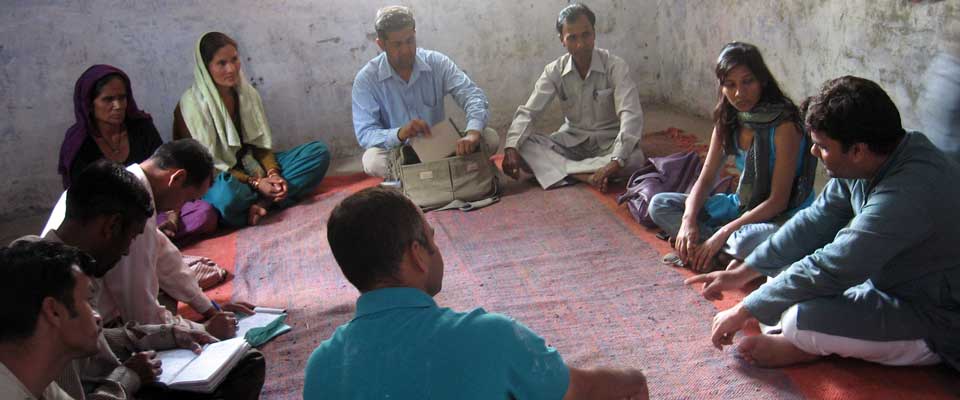
Traceability should remain practical. If record keeping is too expensive or complicated, producers may be excluded. Training local coordinators, using common quality protocols, and publishing plain-language information can create confidence without placing unrealistic administrative demands on smallholders.
| Market claim | What it may indicate | What buyers should verify |
|---|---|---|
| Organic | Production under recognized organic standards | Certification, permitted inputs, and processing controls |
| A2 | Presence of the A2 beta-casein variant | Breed or genetic testing and clear product documentation |
| Grass-fed or pasture-based | Greater reliance on grazing | Feed records and seasonal production practices |
| Indigenous buffalo milk | Milk from a locally adapted buffalo population | Animal identity, sourcing records, and collection procedures |
| Ethical or fair trade | An intention to share value more fairly | Producer payments, contracts, and grievance systems |
Pricing must reward quality and community effort
Premium labels are meaningful only when additional revenue reaches producers. A high retail price may reflect packaging, branding, transport, testing, and distribution rather than a better farm-gate payment. Producer organizations should publish how the price is calculated and review it as costs change.
Payment systems can combine a base price with transparent bonuses for verified quality, reliable supply, or approved production practices. Contracts should explain rejection rules, testing procedures, payment dates, and dispute resolution. These safeguards are especially important for communities with limited bargaining power.
Building a reliable local supply chain
Fresh milk is highly perishable, so quality begins before it reaches a branded bottle. Clean containers, hygienic milking, rapid cooling, regular testing, and cold-chain transport are essential. Small chilling facilities managed by producer groups can reduce spoilage and strengthen negotiating power.
Local processing may create additional value through curd, ghee, paneer, and other products. However, processing requires appropriate equipment, food-safety compliance, trained staff, and dependable packaging. A community enterprise should expand gradually, matching production volumes with realistic demand instead of investing heavily in a brand before the supply system is stable.
Recommendations for responsible milk marketing
- Use organic and A2 claims only when the relevant evidence, testing, or certification is available.
- Publish a clear producer payment formula alongside the retail price.
- Create community-owned collection and traceability systems wherever possible.
- Explain the limits of health claims in packaging, advertising, and social media.
- Invest in chilling, hygiene training, quality testing, and fair grievance procedures.
From labels to lasting livelihoods
The strongest milk brands will be judged by more than attractive packaging. They will demonstrate reliable quality, honest communication, animal care, environmental responsibility, and measurable benefits for the people who produce the milk.
SOPHIA’s rights-based work offers a foundation for connecting market development with forest rights, sustainable pastoral livelihoods, buffalo husbandry, and community empowerment. Supporters, buyers, researchers, and partner organizations can help by choosing transparent products, funding producer infrastructure, and engaging with initiatives that keep value within Himalayan and village communities.