



How to Volunteer with SOPHIA: A Practical Guide
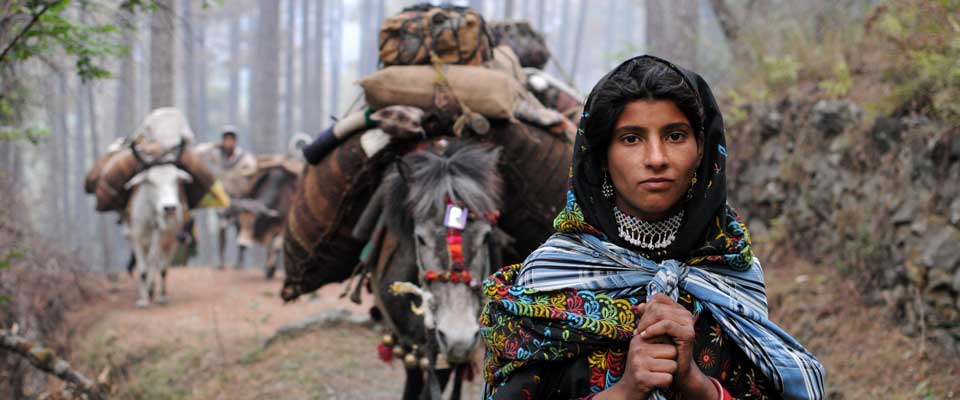
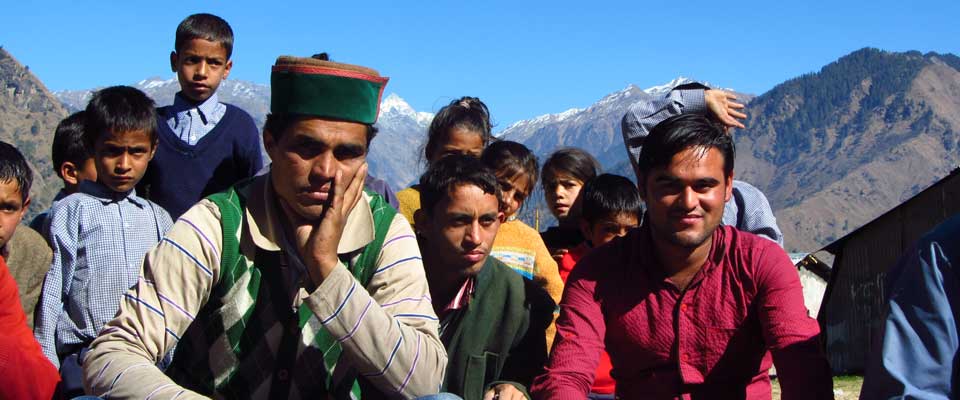
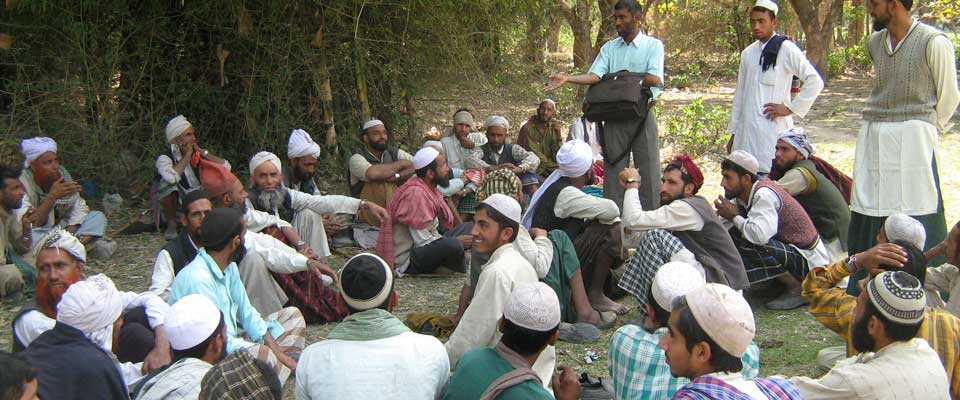
Volunteering with SOPHIA offers a meaningful way to support Van Gujjar and Himalayan village communities in northern India. The organization works across Uttarakhand, Himachal Pradesh, and Uttar Pradesh on indigenous rights, forest and domicile rights, sustainable pastoral livelihoods, buffalo husbandry, and milk marketing.
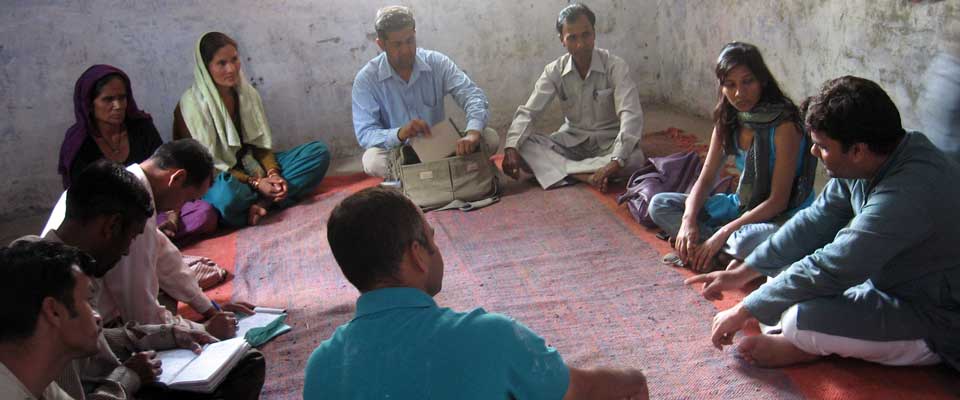
A useful volunteer contribution begins with respect for local knowledge. SOPHIA’s work is rooted in community empowerment, social mobilization, advocacy, government engagement, and cooperation with other civil society organizations. Volunteers can help best when they strengthen these efforts rather than arriving with assumptions about what communities need.
Why volunteer with SOPHIA
SOPHIA connects grassroots action with wider rights-based development. Its work with Van Gujjar communities and Himalayan villages includes supporting access to entitlements, protecting traditional livelihoods, and helping communities engage with public institutions.
Volunteering can also provide insight into pastoral systems, forest governance, rural development, and community-led advocacy. Whether your background is in communications, research, documentation, livestock care, fundraising, or project coordination, your skills may be useful when matched with current organizational priorities.
Choose a contribution that fits
Volunteer roles can vary according to SOPHIA’s active projects and available capacity. Potential areas include preparing educational materials, translating content, documenting community stories, supporting digital communications, researching policy issues, organizing information, or assisting with outreach campaigns.
Field-based work requires a different level of preparation from remote support. Before making travel plans, contact SOPHIA through its official website and ask about current openings, location requirements, language expectations, time commitments, safeguarding procedures, and expenses. Never assume that an independent visit to a community is appropriate.
Understand the community context
Van Gujjar families have deep relationships with forests, buffalo husbandry, seasonal movement, and pastoral livelihoods. Village communities may also be navigating questions of land, domicile, public services, education, income, and recognition of customary rights. Learning this context helps volunteers communicate carefully and avoid reducing complex experiences to a single development issue.
Read SOPHIA’s project information, media archive, and community-focused materials before applying. It is also valuable to learn about the legal and social dimensions of forest rights, indigenous rights, local governance, and sustainable milk production. Preparation should lead to humility: local people are partners and knowledge holders, not subjects for observation.
Prepare a clear application
A strong volunteer message should be brief, specific, and relevant. Introduce yourself, explain your skills, state how much time you can offer, and identify whether you are seeking remote or field-based involvement. Include examples of previous work, such as research, photography, website editing, community organizing, animal husbandry, translation, or nonprofit administration.
Be honest about your limitations. If you do not speak local languages, have limited field experience, or can contribute only during evenings or weekends, say so clearly. SOPHIA can then assess whether your availability fits a project. A practical application focuses on how your abilities can support existing plans rather than proposing a completely separate project.
Plan responsible field engagement
Before entering a village or pastoral area, confirm consent and follow SOPHIA’s guidance on introductions, photography, interviews, data collection, travel, and personal conduct. Do not record people, children, homes, livestock, or cultural practices without permission. Avoid publishing identifiable stories or images independently, even when the material appears positive.
Use the following guide when deciding how to prepare:
| Volunteer focus | Useful preparation | Responsible practice |
|---|---|---|
| Research and advocacy | Read relevant laws, policies, and SOPHIA materials | Verify information and protect confidential details |
| Communications | Writing, editing, design, photography, or social media skills | Obtain consent before sharing stories or images |
| Community outreach | Listening skills and cultural awareness | Follow local introductions and organizational guidance |
| Buffalo husbandry or livelihoods | Relevant technical knowledge and field readiness | Treat local expertise as central to the work |
| Remote support | Reliable communication and organized project management | Agree on deadlines, file access, and reporting |
Field volunteering may involve difficult travel, limited connectivity, changing schedules, and unfamiliar working conditions. Ask about practical arrangements in advance, including accommodation, transport, health precautions, insurance, and emergency contacts. Follow all requirements set by SOPHIA and local authorities.
Make your contribution useful
The most effective volunteers are dependable, adaptable, and willing to do careful background work. They communicate promptly, keep commitments, and understand that community projects often develop according to local priorities and seasonal realities.
Consider these practical recommendations:
- Offer a specific skill, such as translation, editing, mapping, research, fundraising, or livestock-related knowledge.
- Commit only to the time you can reliably provide.
- Learn about Van Gujjar history, Himalayan village life, and forest and domicile rights before beginning.
- Request consent and follow SOPHIA’s rules for photographs, interviews, documents, and personal data.
- Share completed work in an organized format and remain open to feedback from staff and community partners.
Start with a thoughtful application
Visit SOPHIA’s official website to learn about its team, projects, communities, and current ways to get involved. Use the available contact channel to introduce yourself and ask which volunteer support is most useful at the time of your application.
A respectful message, realistic commitment, and willingness to learn can become the foundation of a valuable partnership. By supporting SOPHIA’s rights-based work with care and consistency, you can contribute to stronger community advocacy and more sustainable pastoral livelihoods.