





How milk marketing cooperatives empower tribal women
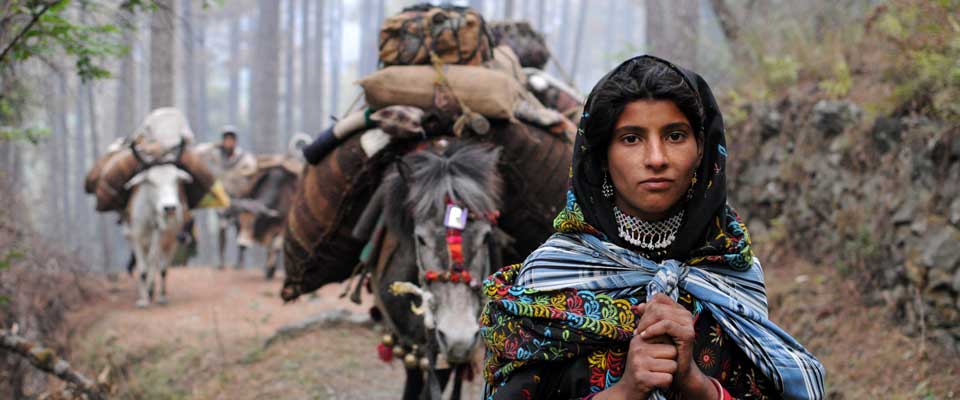
For tribal women in Himalayan communities, milk is more than a household product. It represents daily labor, animal care, food security, and a potential source of independent income. When women can sell milk through a fair and organized system, their work becomes more visible and their families gain greater economic stability.
Milk marketing cooperatives connect producers with collection centers, transparent weighing, quality testing, regular payments, and wider markets. This structure can be especially important for Van Gujjar and village communities whose livelihoods depend on buffalo husbandry, pastoral mobility, and close relationships with forests and common lands.
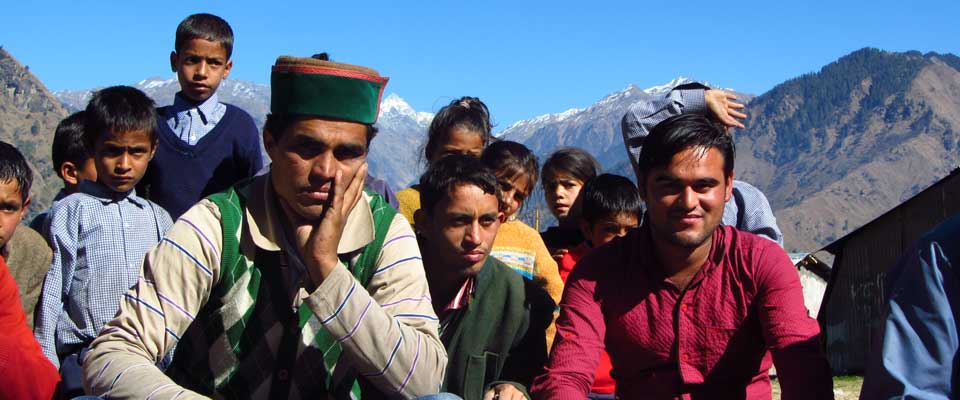
In Uttarakhand, Himachal Pradesh, and Uttar Pradesh, community-focused organizations such as SOPHIA support rights-based development alongside sustainable pastoral livelihoods. Strengthening women’s role in dairy value chains is one way to connect economic opportunity with dignity, social participation, and indigenous rights.
Turning daily dairy work into income
Women often manage feeding, milking, cleaning, calf care, and household dairy processing. Yet their contribution may remain unpaid or be treated as part of domestic responsibility. A cooperative creates a direct link between this work and household earnings.
When members receive payments in their own names or through a women-led group, they can gain more control over spending decisions. Income from milk may support school fees, healthcare, nutritious food, animal treatment, or small investments in fodder and equipment.
Building bargaining power through collective action
Individual producers usually have limited influence over prices, transport, and market conditions. A cooperative brings several households together, allowing members to negotiate collectively and reduce dependence on private traders or urgent local sales.
Collective marketing can also improve access to chilling facilities, veterinary advice, feed supplies, insurance, and bank services. For women in remote mountain settlements, these shared services reduce isolation and make dairy production more reliable.
Improving quality, transparency, and household security
Milk collection centers can use weighing scales and fat testing to calculate payments more fairly. Clear records help producers understand how prices are determined and reduce the risk of underpayment. Training in clean milking, animal nutrition, and safe storage can further improve returns.
Regular milk income offers a steadier financial rhythm than seasonal work alone. For pastoral families, it can supplement earnings when access to grazing areas, forests, or migration routes becomes uncertain. Strong local systems also help communities respond to market disruption or animal health problems.
| Area of dairy marketing | Individual informal sale | Cooperative-based sale |
|---|---|---|
| Price setting | Often negotiated privately | Linked to agreed measures and quality |
| Payment timing | May be irregular | Usually recorded and scheduled |
| Market access | Limited to nearby buyers | Can connect with larger collection networks |
| Services | Mainly arranged by each household | Shared veterinary, training, and input support |
| Women’s participation | Frequently unrecognized | Can include membership, leadership, and voting |
| Risk management | Carried by individual families | Shared through group systems and planning |
Strengthening leadership and public participation
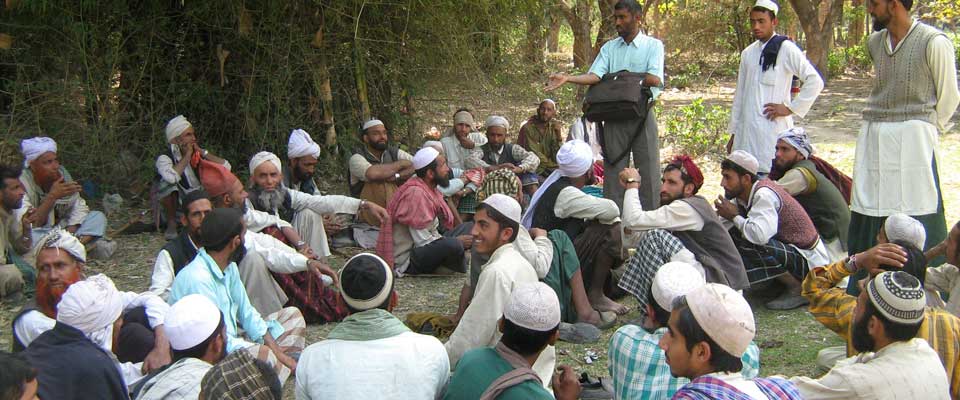
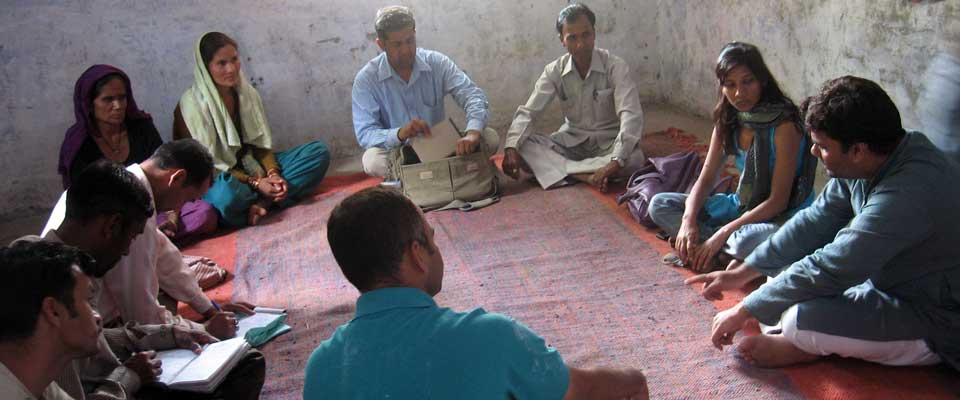
A women’s dairy group can become a platform for more than milk sales. Meetings create space to discuss sanitation, education, domestic violence, documentation, forest access, and public services. As women gain experience keeping records and speaking in groups, they may feel more prepared to engage with local institutions.
Leadership roles also challenge assumptions about who manages money and represents the household. Women can serve as treasurers, collection supervisors, committee members, or elected cooperative representatives. These responsibilities build practical skills in bookkeeping, negotiation, planning, and conflict resolution.
Making cooperatives work for Himalayan communities
A successful cooperative must reflect local realities. Van Gujjar families and other pastoral communities may move seasonally, face difficult roads, or depend on buffalo breeds adapted to particular landscapes. Fixed collection systems and rigid schedules may exclude families whose livelihoods are mobile.
Community planning should therefore consider flexible collection routes, portable records, local-language training, affordable animal healthcare, and fair access for small producers. Cooperatives should also respect customary knowledge and protect the forest and domicile rights that support pastoral livelihoods.
Priorities for inclusive dairy cooperatives
- Register women as direct members and recognize their contribution to animal care and milk production.
- Provide transparent weighing, quality testing, receipts, and payment records.
- Offer training in buffalo husbandry, fodder planning, clean milk handling, and cooperative management.
- Create leadership opportunities for women from remote and mobile households.
- Link dairy initiatives with advocacy for forest access, domicile rights, and essential public services.
Connecting income with rights and resilience
Economic empowerment is strongest when it is connected to wider community rights. A woman may earn more from milk, but her livelihood remains vulnerable if her family lacks secure access to grazing, healthcare, transport, identity documents, or education. Dairy development should therefore form part of a broader approach to social and environmental justice.
SOPHIA’s work with indigenous and Himalayan village communities offers an example of this integrated perspective. Social mobilization, government engagement, partnerships with civil society, and support for sustainable pastoral livelihoods can help ensure that cooperative benefits reach the people who need them most.
Support community-led dairy systems
Milk marketing cooperatives can help tribal women turn essential work into recognized economic participation. They can improve household security, strengthen collective bargaining, and create new pathways to leadership while supporting buffalo-based livelihoods and local food systems.
SOPHIA welcomes collaboration with community members, partner organizations, researchers, donors, and responsible institutions working for indigenous rights and sustainable development. Support women-led dairy groups, share knowledge, strengthen fair milk markets, and help Himalayan communities build livelihoods rooted in dignity and self-determination.