




Eco-tourism pathways for indigenous livelihoods
Eco-tourism can connect visitors with the landscapes, knowledge, and everyday work of indigenous communities while creating fairer sources of income. In the Himalayan foothills, responsible travel may support pastoral families, village enterprises, forest stewardship, and local cultural practices when communities guide the process.
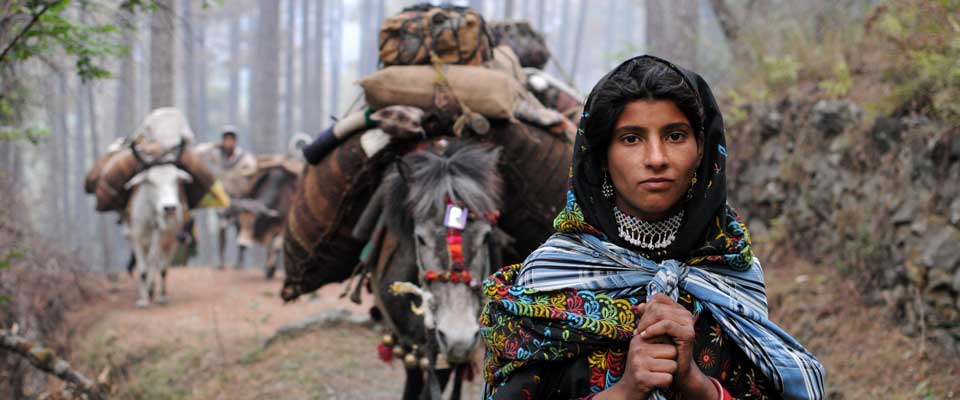
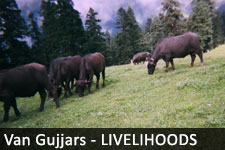
For Van Gujjar and Himalayan village communities, livelihood security is closely linked to forests, seasonal movement, buffalo husbandry, water, and access to markets. Tourism should strengthen these relationships rather than turn them into performances or place additional pressure on already limited resources.
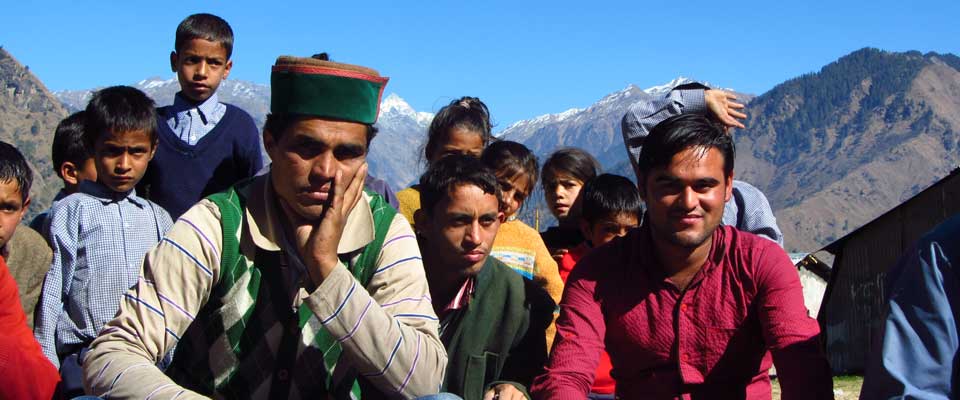
A community-based approach gives residents a meaningful role in deciding what visitors experience, how money is distributed, and which traditions remain private. It also creates space for rights-based development, environmental education, and stronger partnerships between communities, civil society organizations, and public institutions.
Community knowledge should guide the experience
Local people hold detailed knowledge of mountain routes, grazing patterns, medicinal plants, wildlife behavior, weather, and forest use. Eco-tourism programs can create income for community guides, storytellers, cooks, craft producers, and transport providers while recognizing this knowledge as a valuable contribution.
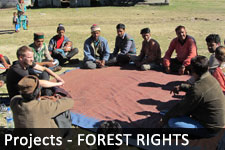
Visitors may learn through guided walks, pastoral demonstrations, village meals, or discussions about forest and domicile rights. These activities should be designed with community consent. Sacred places, family spaces, and sensitive information must remain protected from commercial use.
Income can follow existing livelihoods
Tourism works best when it complements established livelihoods instead of replacing them. A pastoral family might earn through responsible visitor stays, locally produced milk products, or guided experiences during appropriate seasons while continuing buffalo rearing and other essential work.
Small enterprises can also benefit from better market access. Cooperative milk marketing, traditional food processing, handicrafts, farm products, and locally managed homestays can retain more value within the village. Transparent pricing and collective planning help prevent outside operators from capturing most of the revenue.
Conservation and livelihoods can reinforce each other
When communities receive dependable benefits from protecting forests and landscapes, conservation becomes connected to household wellbeing. Local guides and monitors can help visitors understand biodiversity, reduce litter, report risks, and respect wildlife habitats without presenting residents as guardians who work without fair compensation.
Responsible travel must also account for carrying capacity. Large groups, unmanaged waste, excessive water use, and off-road vehicles can damage fragile areas. Community rules can establish limits for visits, define suitable routes, manage waste, and protect grazing areas during important periods of the pastoral calendar.
Matching tourism models to community priorities
Different places require different approaches. A remote settlement may prefer occasional educational visits, while a village near an established route may develop homestays or a cooperative visitor center. The right model depends on land access, infrastructure, seasonal work, community interest, and environmental sensitivity.
| Tourism approach | Possible livelihood benefit | Safeguard for communities |
|---|---|---|
| Guided nature walks | Income for trained local guides | Use agreed routes and visitor limits |
| Community homestays | Earnings for households and local suppliers | Protect privacy and set fair standards |
| Pastoral learning visits | Greater value for buffalo husbandry and traditional knowledge | Obtain consent and avoid staged or intrusive activities |
| Local food experiences | Demand for milk products, crops, and cooking skills | Ensure hygiene, fair prices, and shared benefits |
| Cultural interpretation | Visibility for heritage and village history | Let communities control what is shared publicly |
Rights and consent must remain central
Indigenous livelihoods cannot be supported through tourism if residents lose control over land, forests, identity, or representation. Before a project begins, communities need clear information about expected benefits, risks, responsibilities, and any use of photographs, stories, or traditional knowledge.
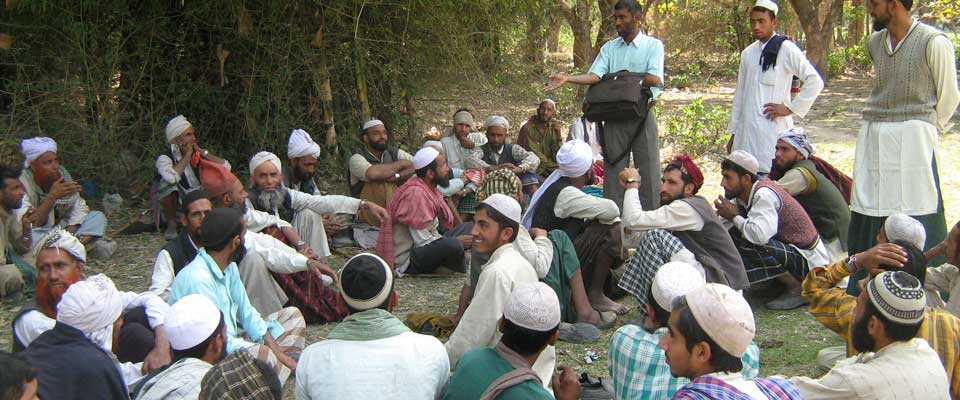
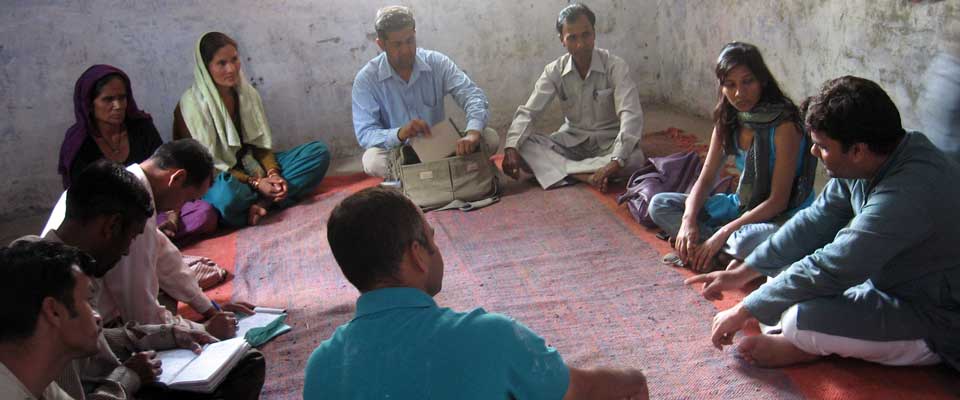
Social mobilization can help residents negotiate with tour operators and government agencies. Community institutions should be involved in permits, pricing, employment, conflict resolution, and monitoring. Organizations such as SOPHIA can support dialogue, rights awareness, advocacy, and partnerships that place community priorities at the center.
Building a fair visitor economy
A strong eco-tourism initiative measures more than visitor numbers. It tracks household income, local employment, women’s participation, youth opportunities, waste reduction, water use, and the condition of forests and grazing areas. Regular community reviews allow programs to change when benefits are uneven or impacts increase.
Training should include hospitality, first aid, digital promotion, financial management, language skills, environmental awareness, and visitor safety. Women and young people should have real decision-making roles rather than being limited to informal or poorly paid work.
Practical principles for responsible eco-tourism
- Begin with community consent, local mapping, and a shared assessment of risks.
- Create transparent systems for pricing, wages, revenue sharing, and financial records.
- Keep visitor groups small and align activities with pastoral and agricultural seasons.
- Build local supply chains for food, transport, accommodation, guiding, and handicrafts.
- Monitor social, cultural, and environmental impacts through regular community meetings.
Eco-tourism is most valuable when it strengthens dignity, choice, and local control. Visitors can contribute by choosing community-led experiences, respecting photography and access rules, purchasing directly from local producers, and learning about the rights and realities of the people who live in these landscapes.
SOPHIA’s work with Van Gujjar and Himalayan village communities offers pathways for rights-based development, sustainable pastoral livelihoods, buffalo husbandry, and stronger local institutions. Support this work by learning from the communities, sharing their priorities responsibly, partnering with accountable initiatives, and helping create a visitor economy that leaves lasting value where it belongs.