




Building dialogue with government for indigenous rights
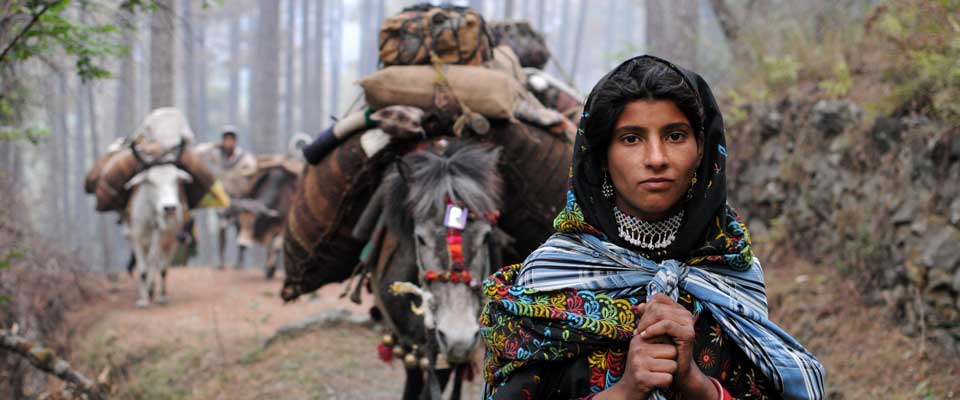
For Van Gujjar and Himalayan village communities, government engagement can shape access to forests, grazing routes, education, health services, identity documents, and sustainable livelihoods. Constructive dialogue helps communities communicate their priorities while ensuring that public institutions recognize local knowledge and customary practices.
SOPHIA supports rights-based engagement across Uttarakhand, Himachal Pradesh, and Uttar Pradesh. Its work connects community mobilization, legal awareness, advocacy, and partnerships so that indigenous voices are represented in public decisions affecting pastoral life, forest access, buffalo husbandry, and milk marketing.
Effective advocacy begins before a meeting with an official. Communities need clear evidence, shared priorities, and a practical understanding of which department or authority can respond. Engagement then becomes a continuing process of follow-up, documentation, and collective accountability.
Start with community priorities
Government officials respond more effectively when community concerns are specific and organized. A village meeting can identify urgent issues such as recognition of forest rights, domicile certificates, grazing access, school facilities, veterinary services, road connectivity, or fair prices for milk.
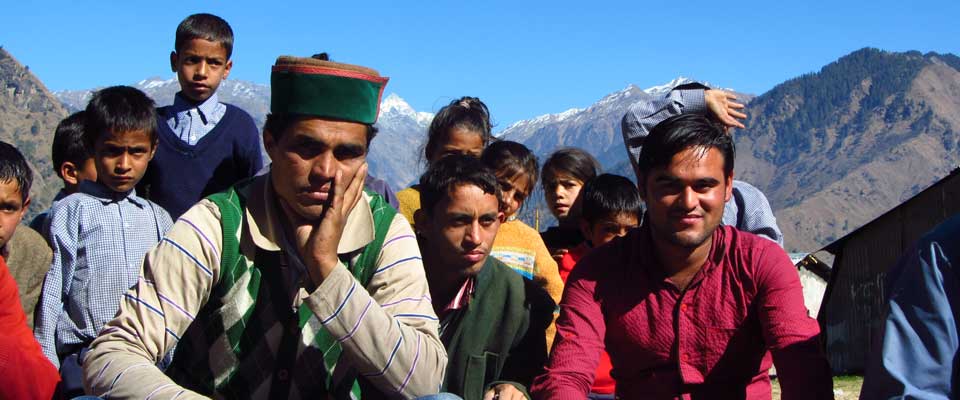
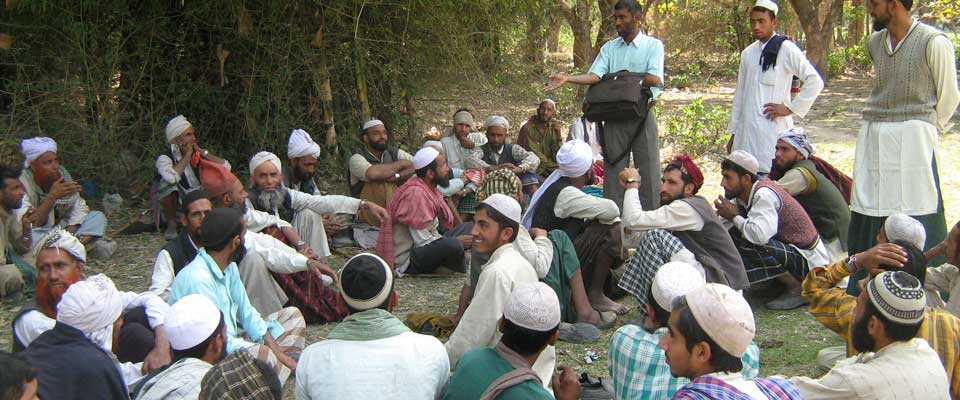
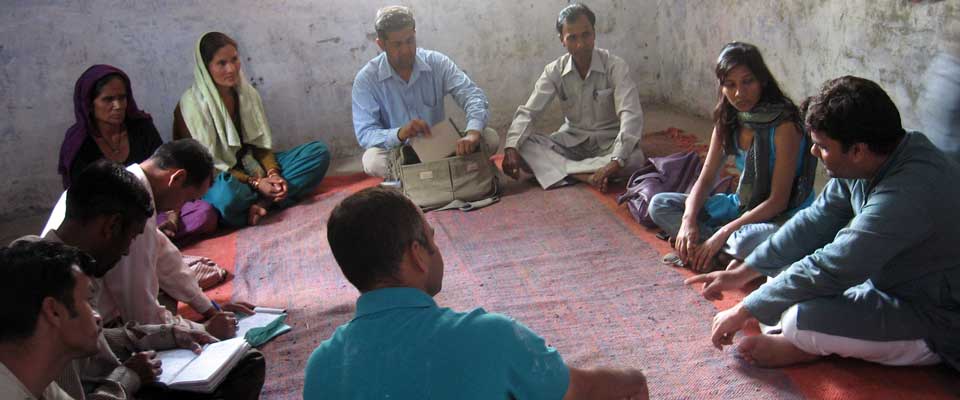
Community-led discussions should include women, pastoral households, elders, youth, and families living in seasonal settlements. Their experiences may differ, and inclusive participation produces a stronger representation of local needs. A written resolution, attendance record, or community statement can help establish a shared mandate.
Build credible evidence
Personal testimony is valuable, but it becomes more persuasive when supported by records. Communities can document traditional grazing routes, seasonal migration patterns, livestock numbers, milk production, service gaps, rejected applications, and previous correspondence with authorities.
Useful evidence may include land and forest maps, copies of applications, photographs, meeting minutes, veterinary records, beneficiary lists, and details of unresolved complaints. Information should be collected with consent and stored securely. Clear documentation also helps prevent repeated visits to offices without a traceable outcome.
Approach the right institution
Different concerns require engagement with different public bodies. Revenue officials may address domicile or land records, forest departments may be involved in forest access and conservation discussions, while animal husbandry and dairy departments can support buffalo health, fodder, breeding, and milk collection.
Before requesting a meeting, communities and civil society partners should identify the responsible officer, applicable scheme, required documents, and formal grievance channel. Written submissions should be addressed to the relevant authority and acknowledged wherever possible. If a matter remains unresolved, escalation through senior officials, district grievance systems, public hearings, or information requests may be appropriate.
| Community concern | Potential government counterpart | Useful preparation | Desired follow-up |
|---|---|---|---|
| Forest and grazing rights | Forest department, district administration, rights committees | Community maps, customary-use records, resolutions | Written status and timeline |
| Domicile and identity documents | Revenue office, local administration | Applications, identity records, household details | Receipt number and appeal route |
| Buffalo health and productivity | Animal husbandry department, veterinary officers | Livestock register, vaccination needs, service history | Camp date or service schedule |
| Milk marketing and prices | Dairy department, cooperatives, local institutions | Production estimates, buyer information, price records | Meeting with buyers or cooperative officials |
| Basic services in settlements | Panchayat, district departments | Service-gap statement, photographs, affected household list | Assigned department and review date |
Make every meeting accountable
A productive meeting should have a small delegation, a written agenda, and clearly assigned speakers. Community representatives can explain the issue, present supporting evidence, and request a specific administrative action. Respectful communication supports cooperation while firm advocacy keeps the focus on rights and public responsibility.
After the meeting, send a brief follow-up letter summarizing what was discussed, what documents were submitted, and what timelines were mentioned. Keep copies of all correspondence. A community register can record the date of each interaction, the official contacted, the response received, and the next step.
Combine local knowledge with policy advocacy
Indigenous communities possess detailed knowledge of forests, pasture, livestock, water sources, and seasonal ecological change. Presenting this knowledge alongside government data can improve planning and challenge assumptions that overlook mobile or forest-dependent households.
Partnerships with NGOs, legal resource groups, researchers, cooperatives, and elected representatives can strengthen advocacy. These allies may help interpret policies, facilitate meetings, monitor implementation, or amplify community concerns. Their role should support community leadership rather than replace it.
Protect dignity and sustain participation
Government engagement should never expose families to unnecessary risk or pressure. Community representatives need to understand how their information will be used, especially when documenting land claims, migration patterns, or alleged discrimination. Consent, confidentiality, and accessible language are essential parts of ethical advocacy.
Long-term engagement also depends on practical support. Meetings should be scheduled around pastoral movement and livelihood responsibilities, with space for women and marginalized households to speak. When communities see that their participation produces records, services, or policy attention, public engagement becomes a durable form of empowerment.
Practical steps for stronger advocacy
SOPHIA can help communities and partners turn individual concerns into coordinated action through social mobilization, government dialogue, and rights awareness. The following practices make engagement more consistent:
- Hold inclusive community meetings before approaching officials.
- Prepare a one-page issue brief with evidence, legal or policy references, and a specific request.
- Submit written applications and keep acknowledgment receipts or tracking numbers.
- Nominate representatives who can report back accurately to the wider community.
- Review progress regularly and escalate unresolved matters through formal channels.
When government officials, community representatives, and civil society organizations work through transparent processes, indigenous issues receive greater visibility and practical attention. SOPHIA invites communities, institutions, and supporters to participate in rights-based initiatives that strengthen forest and domicile rights, sustainable pastoral livelihoods, buffalo husbandry, and fair milk marketing. Contact SOPHIA to explore partnerships, support community advocacy, or learn more about its work in the Himalayan region.