



Building Grassroots Advocacy for Indigenous Land Rights
Land is more than a physical asset for pastoral and forest-dwelling communities. It supports food security, cultural identity, seasonal migration, livestock care, water access, and the knowledge passed between generations. When customary access is ignored, families can lose both their livelihood and their voice in local decision-making.
For Van Gujjar and Himalayan village communities, rights-based advocacy must grow from everyday realities. Strong campaigns connect community testimony with legal awareness, reliable documentation, public accountability, and constructive engagement with government institutions.
SOPHIA works in Uttarakhand, Himachal Pradesh, and Uttar Pradesh to support indigenous rights, forest and domicile rights, sustainable pastoral livelihoods, buffalo husbandry, and milk marketing. Its experience offers a practical model for turning local concerns into organized action.
Start With Community Knowledge
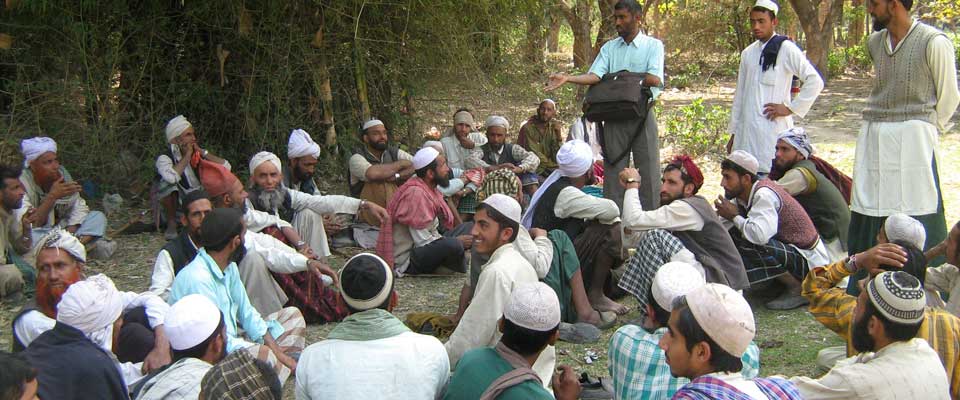
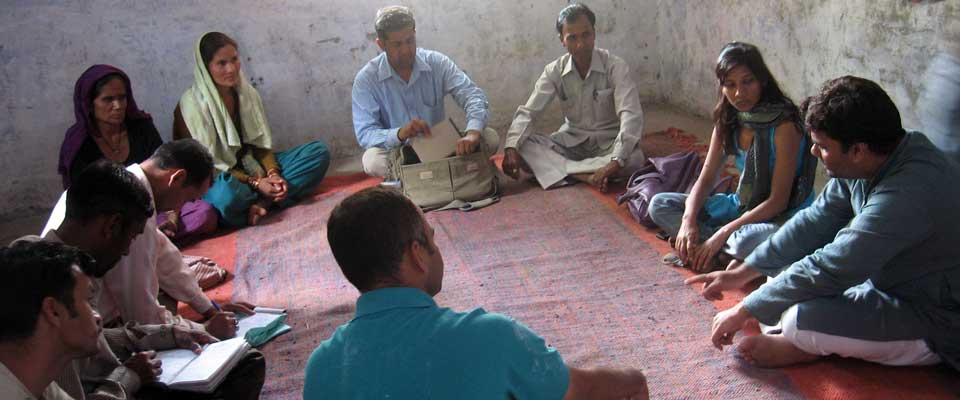
Grassroots advocacy begins by listening to residents before defining the campaign. Community meetings, household visits, seasonal mapping, and discussions with women, elders, pastoralists, and young people can reveal how land and forests are actually used.
This process helps identify concerns that formal records may overlook. Grazing routes, water points, temporary settlements, fodder areas, and customary forest access can all be essential to survival. Recording these details in local languages makes advocacy more accurate and gives residents greater ownership of the campaign.
Trust develops when information is shared transparently. Communities should understand what is being documented, who may see it, and how it could support a rights claim. Consent and confidentiality are especially important when families face displacement or administrative pressure.
Turn Experience Into Evidence
Personal testimony is powerful, yet it becomes stronger when supported by organized evidence. Community groups can maintain records of land use, forest access, livestock routes, notices received from authorities, public hearings, and earlier applications for recognition.
Participatory mapping can connect oral histories with visible landscapes. GPS points, hand-drawn maps, photographs, revenue documents, ration cards, forest letters, and meeting records may help establish continuity of residence and customary use. Evidence should be stored safely, with copies held by trusted community representatives.
SOPHIA’s rights-based work demonstrates why documentation should serve wider social mobilization. A well-prepared record can support a household application, inform advocacy with district officials, and help partner organizations understand the community’s priorities without replacing local leadership.
Build Representative Village Forums
A village forum gives people a regular space to discuss shared priorities and decide how to act. Representation matters: women, mobile pastoral families, landless households, youth, elders, and people living in remote hamlets should all have meaningful opportunities to participate.
Clear roles make collective action sustainable. Some members can coordinate meetings, others can maintain documents, communicate with officials, monitor public schemes, or share updates with neighboring settlements. Rotating responsibilities reduces dependence on a single spokesperson and develops new community leaders.
These forums can also connect land rights with livelihood concerns. Secure access to pasture and forests supports buffalo husbandry, milk production, food security, and income. Advocacy becomes more persuasive when it shows how tenure security contributes to ecological stewardship and local economic resilience.
Choose Effective Advocacy Channels
Grassroots campaigns often move through several channels at once. A written petition may open a dialogue with a block office, while a public hearing can bring wider attention to unresolved claims. Meetings with elected representatives, district administrations, forest officials, and legal aid providers can create opportunities for practical remedies.
Advocacy should remain firm, factual, and peaceful. Community representatives can prepare a short statement explaining the issue, the evidence available, the remedy requested, and the responsible authority. Follow-up letters and dated acknowledgements help prevent commitments from disappearing after a meeting.
Partnerships extend reach without taking control away from communities. NGOs, researchers, media professionals, lawyers, and allied movements can provide technical assistance, but decisions should remain with the people whose rights are at stake. Individuals who want to contribute skills, field experience, or communications support can explore how to join SOPHIA’s team.
Match Tactics to the Situation
Different land and forest rights concerns require different forms of action. A community seeking recognition of customary access may need documentation and administrative engagement, while families facing immediate eviction may require urgent legal support and public monitoring.
| Community need | Useful grassroots response | Potential allies | Desired outcome |
|---|---|---|---|
| Unrecognized customary forest access | Participatory mapping and rights documentation | Rights groups and legal workers | Formal consideration of claims |
| Threat of displacement | Dated records, legal review, and official representations | District authorities and advocates | Protection from unlawful removal |
| Limited voice in local decisions | Inclusive village forums and leadership training | Panchayats and civil society groups | Regular community participation |
| Weak pastoral income | Buffalo care, milk marketing, and cooperative support | Veterinary services and producer groups | Stronger sustainable livelihoods |
| Poor follow-up from officials | Public hearings, tracking registers, and written reminders | Media and partner NGOs | Clear timelines and accountability |
The strongest strategy is usually the one communities can maintain. A campaign that combines evidence, dialogue, public visibility, and follow-up is more likely to produce lasting change than a single event without continued organization.
Sustain Leadership and Accountability
Advocacy must continue after an application is submitted or a meeting is held. Village groups can review progress monthly, record official responses, and revise their priorities as circumstances change. Sharing updates in accessible formats keeps participation broad and reduces misinformation.
Training in public speaking, digital documentation, government procedures, and legal literacy can help communities engage with confidence. Youth participation is valuable because younger members may manage digital records and communication while learning from elders about customary practices and local history.
Accountability also applies within civil society partnerships. Organizations should report how decisions are made, protect community data, and measure progress through outcomes such as recognized rights, improved access to services, stronger livelihoods, and greater participation in public institutions.
Grassroots advocacy becomes durable when communities are treated as rights holders rather than beneficiaries. Support SOPHIA’s work by sharing its mission, connecting responsible partners, contributing relevant skills, or helping amplify the experiences of Van Gujjar and Himalayan village communities through respectful public engagement.