



A Tour of SOPHIA’s Project Sites in Himachal Pradesh
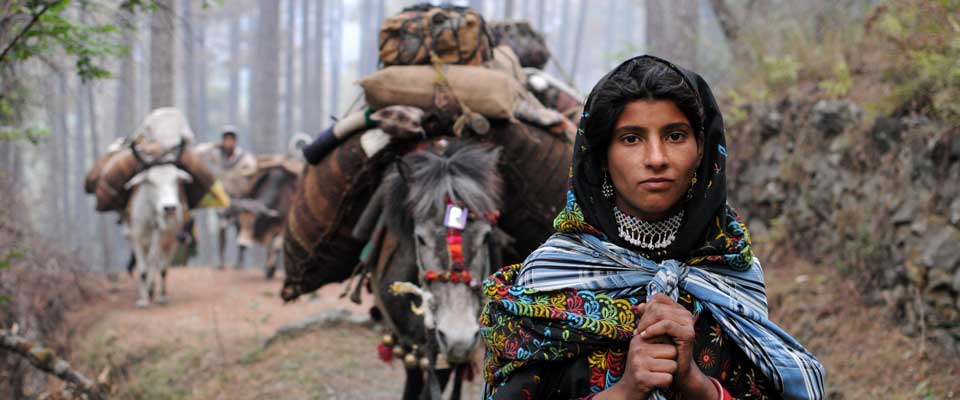
Himachal Pradesh’s mountain villages and pastoral routes are shaped by forests, seasonal migration, livestock, and close community relationships. For Van Gujjar families and other Himalayan communities, these landscapes provide food, fodder, water, shelter, and income. They also form the setting for important conversations about rights, recognition, and sustainable development.
A tour of SOPHIA’s project sites in Himachal Pradesh offers a view of this work at community level. Rather than treating villages as isolated beneficiaries, SOPHIA works with residents as partners who understand local conditions and help define practical solutions.
The organization’s field presence connects rights-based advocacy with everyday livelihoods. Forest and domicile rights, buffalo husbandry, milk marketing, social mobilization, and engagement with government departments all contribute to stronger and more secure communities.
Mountain Villages And Pastoral Landscapes
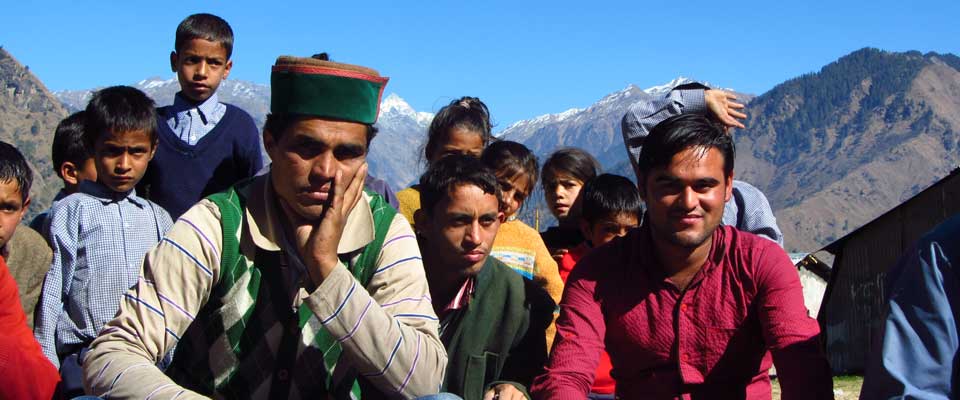
SOPHIA’s work in Himachal Pradesh reaches communities whose lives depend on a careful balance between settled villages, forest resources, grazing areas, and seasonal movement. A field visit may pass through steep roads, terraced hillsides, forest edges, and settlements where families manage livestock alongside farming and wage work.
These places are important because development needs differ from one village to another. Water access, fodder availability, animal health, documentation, market connections, and public services can all influence household security. Community discussions help identify priorities that may not be visible in formal records.
Listening Before Designing Action
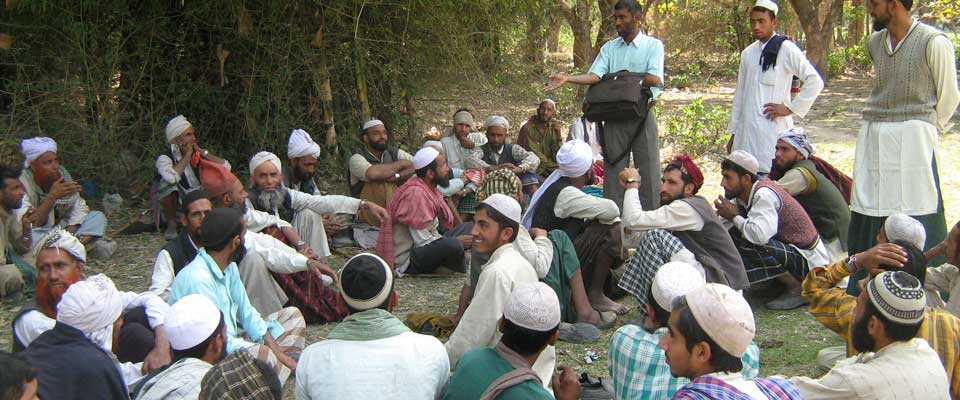
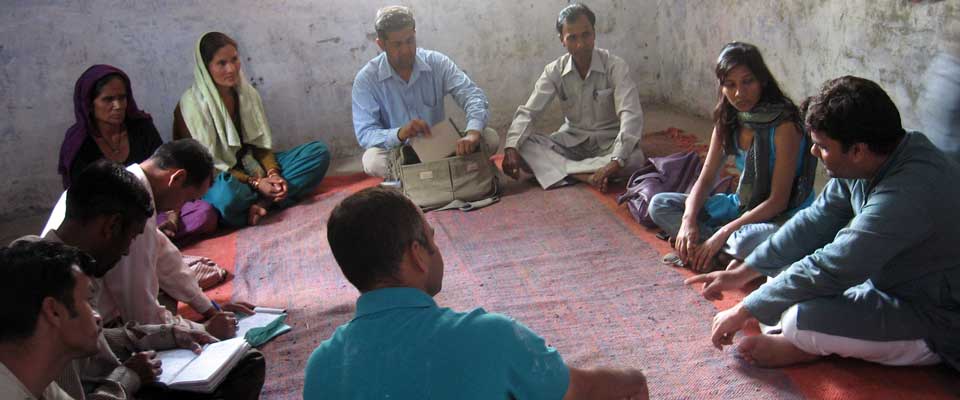
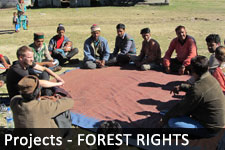
A central part of SOPHIA’s approach is listening to residents. Meetings with pastoral families, village groups, women, elders, and local leaders create space for people to describe their experiences in their own words.
This process can reveal barriers involving identity documents, land and domicile claims, access to welfare schemes, forest use, or representation in local decision-making. Field teams then support communities in organizing information, building collective positions, and communicating with relevant authorities.
The emphasis on participation also strengthens local leadership. When residents are involved in planning and follow-up, project activities are more likely to reflect community priorities and continue beyond a single visit.
Rights, Recognition, And Local Governance
Forest rights and domicile rights are closely connected to security for indigenous and mobile communities. Recognition can affect access to housing, public services, education, welfare programmes, and lawful use of traditional resources.
SOPHIA supports awareness-building and advocacy so that families can better understand administrative processes and their rights. The organization may also help connect community representatives with government offices, civil society partners, and legal or technical resources where appropriate.
| Field focus | Community relevance | Typical form of support |
|---|---|---|
| Forest and resource rights | Protects traditional livelihood links with forests and grazing areas | Rights awareness, documentation, advocacy, and government engagement |
| Domicile and identity | Improves access to services and official recognition | Information sharing, collective representation, and referral support |
| Buffalo husbandry | Strengthens pastoral income and household nutrition | Animal-care guidance, local capacity building, and livelihood support |
| Milk marketing | Helps families receive fairer value for dairy production | Market linkages, group coordination, and enterprise development |
| Social mobilization | Builds collective voice and local leadership | Community meetings, training, and partnership-building |
Buffalo Husbandry And Pastoral Income
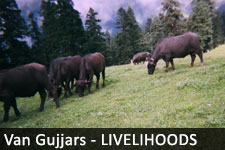
Buffaloes are central to the livelihood systems of many pastoral households. Healthy animals provide milk, support household consumption, and create opportunities for income through local dairy sales. Their care is closely tied to fodder, water, veterinary services, and seasonal grazing patterns.
At project sites, livelihood work can include discussions about feeding practices, animal health, breeding, hygiene, and record keeping. These practical subjects connect directly with larger concerns such as climate pressure, rising costs, changing grazing access, and the availability of veterinary support.
Improved husbandry is most effective when it fits local knowledge and resources. SOPHIA’s community-based model creates space for pastoral families to share experience while identifying realistic ways to improve animal welfare and milk production.
Milk Marketing And Women’s Participation
Milk marketing is more than a commercial activity. It can influence household cash flow, food security, and the economic participation of women who often contribute substantially to animal care, milking, processing, and local sales.
Community-based coordination can help producers understand quality requirements, collection systems, pricing, and potential market connections. Stronger producer relationships may also improve bargaining capacity and reduce dependence on uncertain buyers.
Women’s participation is essential in this area. When women have a voice in decisions about dairy income, training, savings, and household production, livelihood programmes can deliver wider benefits across the family and village.
Connecting Communities With Institutions
Fieldwork in Himachal Pradesh also involves building communication between communities and public institutions. Government schemes and services may exist, but families can face difficulties with information, paperwork, distance, language, or unclear procedures.
SOPHIA’s engagement with government departments and partner organizations helps create channels for dialogue. Community representatives can present shared concerns, track applications, and seek responses through more structured processes.
Partnerships extend the reach of local action. Collaboration with NGOs, grassroots groups, researchers, and public agencies can bring additional knowledge and resources while keeping community priorities at the center.
Ways To Support Community-Led Work
Visitors, donors, volunteers, and partner organizations can contribute to SOPHIA’s work in practical and respectful ways:
- Learn about Van Gujjar and Himalayan village communities through SOPHIA’s project and media resources.
- Support rights awareness, social mobilization, and documentation activities.
- Share skills related to sustainable livestock care, dairy enterprise, communications, or community training.
- Promote fair and locally appropriate milk marketing initiatives.
- Build partnerships that strengthen forest rights, pastoral livelihoods, and access to public services.
A visit to SOPHIA’s field locations is a reminder that meaningful development begins with relationships. The most valuable outcomes often grow from patient listening, collective organization, and steady engagement with institutions. To support this work, explore SOPHIA’s projects, community stories, photographs, and partnership opportunities, then connect with the organization through its official website.