



A profile of SOPHIA’s field team in Uttarakhand
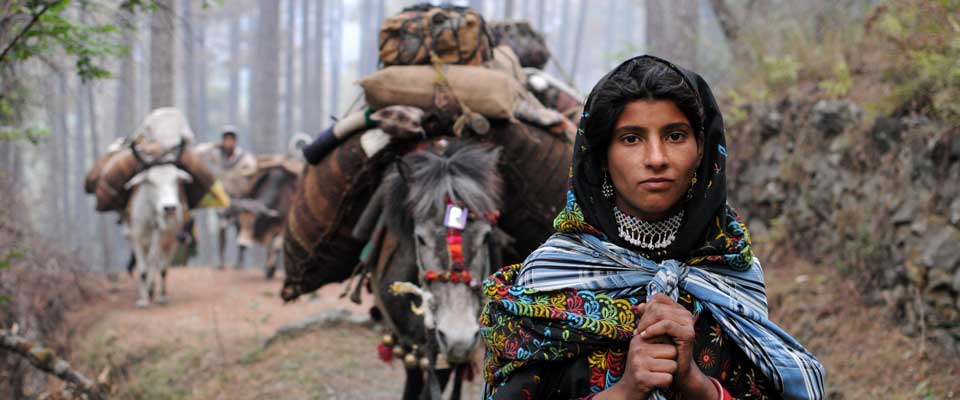
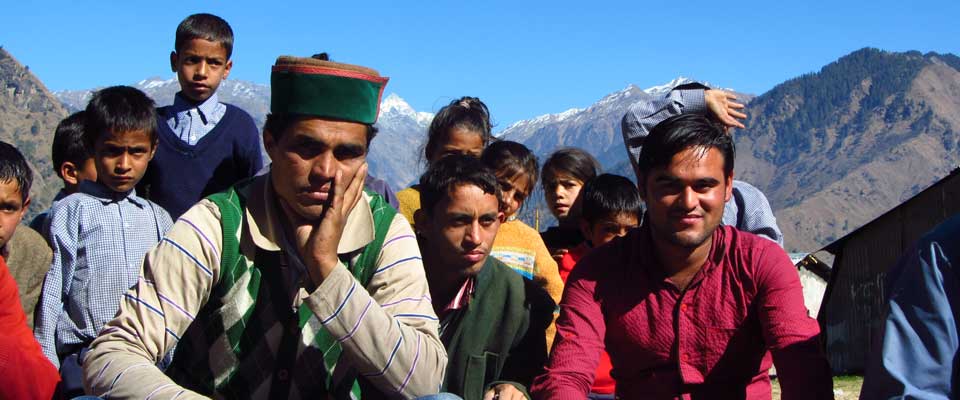
SOPHIA’s work in Uttarakhand is rooted in long-term relationships with Van Gujjar and Himalayan village communities. Its field team connects community priorities with practical support on forest rights, domicile rights, pastoral livelihoods, buffalo husbandry, and milk marketing.
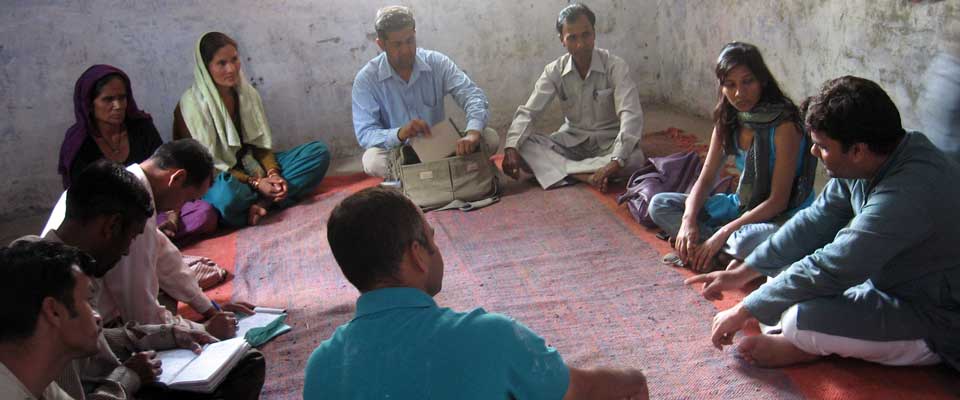
The team’s role extends beyond delivering activities. Field workers listen, document concerns, support social mobilization, explain government processes, and help communities take part in decisions affecting their homes, forests, livestock, and income. This approach places local knowledge at the centre of development work.
Because the communities SOPHIA serves live across different landscapes and settlements, field engagement requires patience, mobility, cultural sensitivity, and an understanding of seasonal pastoral movement. The team works as a bridge between indigenous communities, public institutions, civil society partners, and wider rights-based campaigns.
Grounded in community relationships
A field team earns trust through consistent presence. In Van Gujjar settlements and Himalayan villages, this can mean returning to the same community over time, listening carefully to household concerns, and recognising that each settlement has its own history, leadership patterns, and priorities.
This relationship-based work helps SOPHIA understand issues that may not appear in official records. Access to forest resources, recognition of residence, education, healthcare, livestock services, and fair markets can be closely connected. Field workers therefore consider the wider social and economic context rather than treating each concern as an isolated problem.
Supporting rights and local participation
SOPHIA’s team helps communities understand rights and entitlements linked to forests, land, domicile, and public services. Field engagement may involve explaining procedures, helping organise meetings, recording community evidence, or supporting communication with government offices.
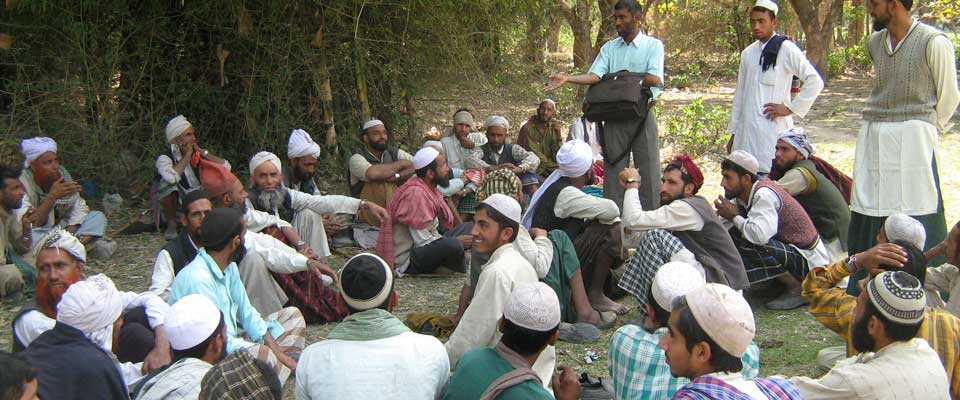
The emphasis is on informed participation. Rather than speaking for communities, field workers help residents strengthen their own collective voice. Social mobilisation, community meetings, and rights awareness can enable people to identify shared concerns and pursue solutions through appropriate legal and administrative channels.
Working across pastoral landscapes
Van Gujjar pastoralism is shaped by seasonal movement, livestock care, access to grazing areas, and changing relationships with forests. A field team working in this setting must appreciate mobility as a livelihood practice rather than viewing it as a barrier to development services.
Buffalo husbandry is another important area of engagement. Support may connect animal health, fodder, breeding, milk production, and household income. By understanding the daily responsibilities of livestock keepers, SOPHIA’s team can encourage practical approaches that respect traditional knowledge while improving livelihood security.
Linking households with better markets
Milk marketing can have a direct effect on the financial stability of pastoral households. Field workers help identify barriers such as irregular collection, limited information, weak bargaining power, and difficulties reaching buyers. Their work may also involve connecting communities with relevant institutions and partner organisations.
Economic support is most effective when it reflects local realities. A field team must consider distances, transport, seasonal movement, herd size, household labour, and the quality and reliability of market links. This grounded perspective helps ensure that livelihood initiatives remain useful beyond a short project cycle.
| Field focus | What the team contributes | Community value |
|---|---|---|
| Forest and domicile rights | Awareness, documentation, mobilisation, and institutional engagement | Stronger access to rights and public processes |
| Pastoral livelihoods | Community consultation and livelihood support | Greater recognition of mobile and forest-based livelihoods |
| Buffalo husbandry | Practical attention to animal care and production | Healthier livestock and more secure household income |
| Milk marketing | Market connection and coordination | Improved opportunities for fair and reliable sales |
| Advocacy and partnerships | Collaboration with government and civil society | Wider support for community-led priorities |
Coordinating with institutions and partners
Field staff often operate between communities and institutions that use different forms of communication. They help translate community concerns into clear representations while also explaining official requirements in accessible language. This coordination can make engagement with government departments more productive.
SOPHIA also works through partnerships with other NGOs and networks. Collaboration can bring additional expertise, strengthen advocacy, and reduce duplication. For the field team, partnership-building means sharing information responsibly and keeping community interests central to joint efforts.
A team shaped by field realities
The strength of SOPHIA’s Uttarakhand team lies in combining rights-based work with practical knowledge of rural and pastoral life. Its members need to be attentive listeners, careful facilitators, capable organisers, and reliable communicators. They must also adapt plans when weather, migration routes, local events, or administrative delays affect field access.
This flexibility does not mean losing focus. The team’s work remains connected to community empowerment: helping people organise, access information, engage with public systems, protect livelihoods, and participate in decisions that shape their future.
Ways to engage with community-led work
People and organisations interested in SOPHIA’s work can contribute by:
- Learning about Van Gujjar and Himalayan village communities through credible rights-based resources.
- Supporting initiatives related to forest rights, sustainable pastoralism, buffalo husbandry, and fair milk marketing.
- Sharing SOPHIA’s community work with networks concerned with indigenous rights and rural livelihoods.
- Exploring partnerships, volunteering, advocacy, or responsible support through the organisation’s official channels.
A field team’s impact grows when community priorities receive sustained attention beyond individual visits or project periods. Explore SOPHIA’s work, media archive, and partnership opportunities to support stronger recognition of indigenous rights and more secure pastoral livelihoods in Uttarakhand.