



A day in the life of a Van Gujjar herder
For a Van Gujjar family, each day is shaped by buffaloes, forests, weather, and the seasonal movement between grazing grounds. This pastoral community has long depended on careful knowledge of Himalayan landscapes, animal care, and relationships with village and forest authorities.
The routine may look quiet from the outside, yet it involves constant work. Milking, finding fodder, protecting livestock, managing household needs, and selling or transporting milk all require time and skill. The rhythm changes with the season, the condition of the forest, and access to traditional routes.
Before sunrise in the dera
The day often begins before dawn at the dera, the family’s temporary forest settlement. Smoke rises from the cooking fire as tea is prepared, while the buffaloes are checked and brought close for milking. Each animal is known by its habits, health, and place within the herd.
Milking demands patience and familiarity. A herder observes the animal’s appetite, movement, and body condition while collecting milk for household use or sale. Children and adults may share tasks, although responsibilities differ between families and change during migration.
Caring for the buffalo herd
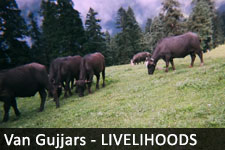
Buffalo husbandry is central to Van Gujjar livelihoods. After milking, the herd is guided towards water and suitable grazing areas. The herder looks for fresh grass, shade, and safe ground, while keeping younger animals and mothers with calves within sight.
Animal care continues throughout the day. A cut, illness, difficult birth, or shortage of fodder can affect the whole household. Traditional knowledge helps families identify plants, manage grazing, and respond to common health problems, while veterinary services can be important when serious treatment is needed.
Moving through the forest
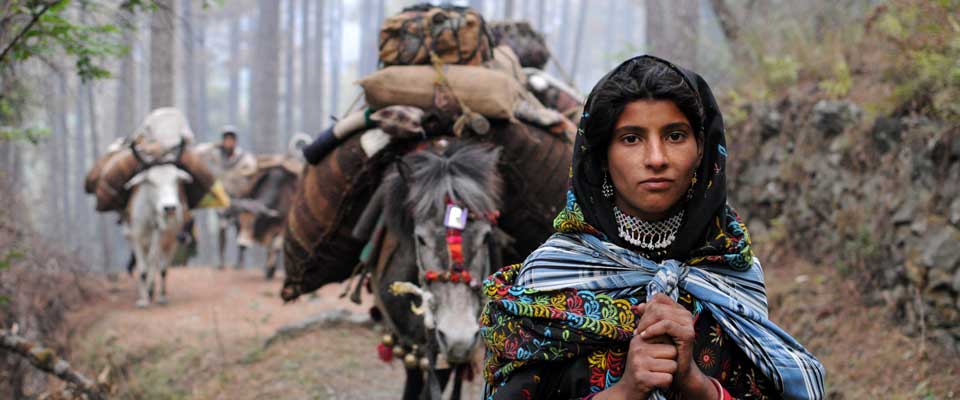
The route to pasture is never simply a walk from one place to another. Forest conditions, rainfall, wildlife, streams, and human activity all influence where a herd can go. Van Gujjar herders read signs in the landscape and adjust their movement to protect both animals and the surrounding habitat.
Seasonal migration may take families between forest areas and villages in Uttarakhand, Himachal Pradesh, or Uttar Pradesh. These journeys connect pastoral camps with customary grazing grounds and milk markets. They can also become difficult when traditional access is restricted or when roads, conservation rules, and changing land use disrupt established routes.
| Part of the day | Main activity | Knowledge and effort involved |
|---|---|---|
| Before sunrise | Milking and preparing food | Animal handling, hygiene, household coordination |
| Morning | Taking buffaloes to pasture and water | Reading terrain, managing herd movement |
| Midday | Grazing, repairs, and rest | Monitoring livestock, gathering fuel or fodder |
| Afternoon | Returning, milking, and processing milk | Quality control, transport, local marketing |
| Evening | Feeding animals and family work | Planning, care, and preparation for the next day |
Milk, markets, and household work
By afternoon, the herd may return to the dera for another round of care and milking. Milk is consumed by the family, sold to nearby customers, or taken to a collection point. Distance, transport costs, fluctuating prices, and limited storage can determine how much income reaches the household.
Women’s work is particularly important in this cycle. In addition to milking and buffalo care, women may prepare food, collect water and fuel, look after children, and manage household supplies. Their contribution to pastoral production is substantial, even when it receives little recognition in formal markets or public planning.
When access becomes uncertain
A herder’s daily decisions are closely connected to rights and public policy. Forest access, domicile documentation, education, healthcare, and secure settlement options can affect whether families are able to continue their livelihood with dignity. Administrative barriers may make it harder to obtain services or have customary claims recognized.
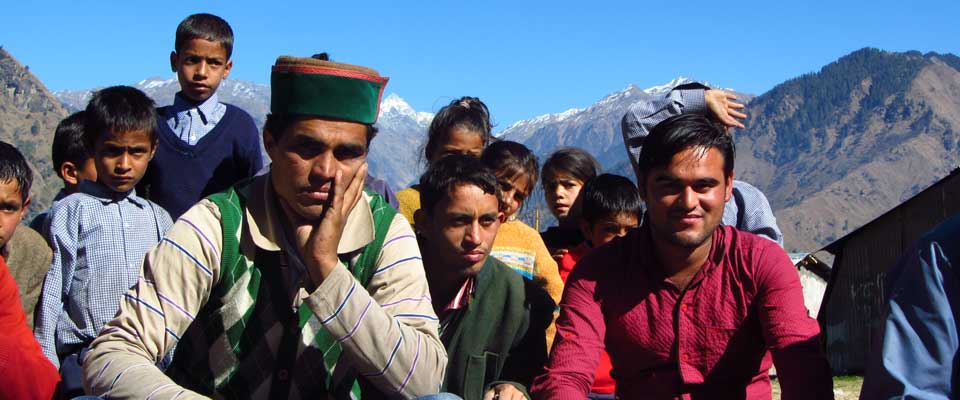
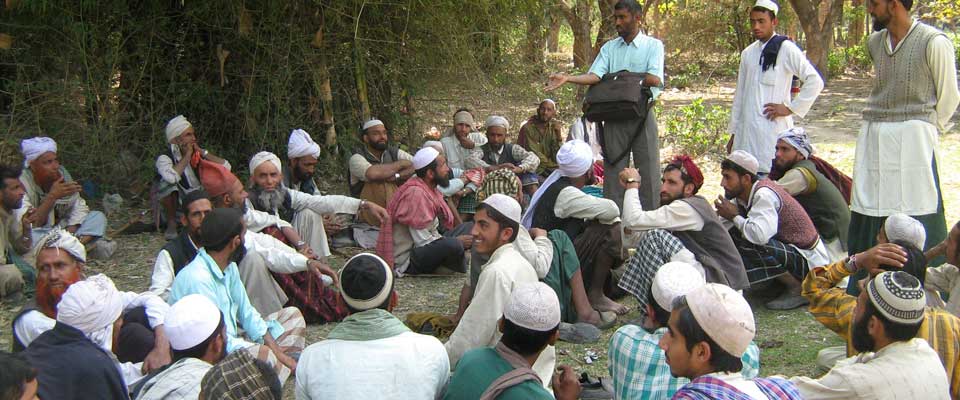
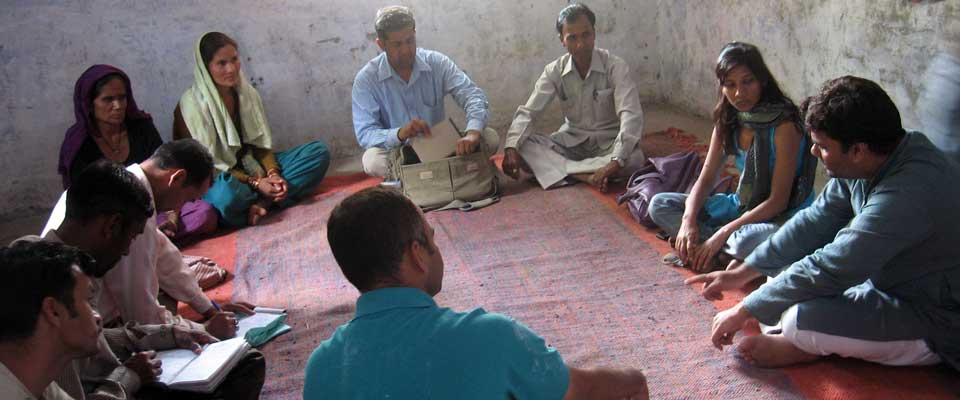
SOPHIA works with Van Gujjar and Himalayan village communities to support forest and domicile rights, sustainable pastoral livelihoods, and community-led advocacy. Through social mobilization, government engagement, and partnerships, rights-based initiatives can help pastoral families communicate their needs and participate in decisions affecting their lands and livelihoods.
Supporting pastoral communities
Understanding this daily routine helps explain why practical support must reflect the realities of mobile and forest-dependent families. Useful engagement respects community knowledge while improving access to public services, fair milk marketing, veterinary care, and secure rights.
Support for Van Gujjar herders can take several forms:
- Learn about indigenous and pastoral rights before forming opinions about forest use.
- Share reliable information about government schemes, documentation, education, and healthcare.
- Support fair and locally appropriate milk marketing systems.
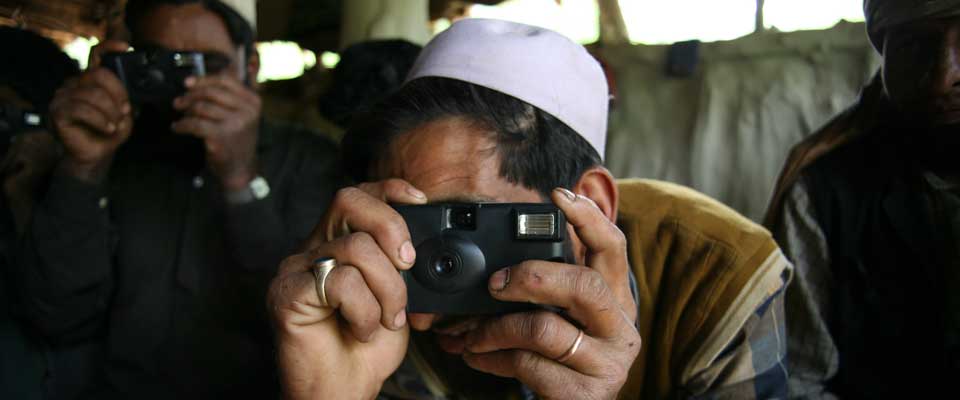
- Respect community consent, privacy, and leadership when documenting lives or collecting stories.
- Follow the work of organizations such as SOPHIA and contribute to rights-based community initiatives.
As evening settles over the forest, the buffaloes are tied or guided into a safe area, calves are checked, and the next day’s route is considered. The work may appear repetitive, but every day requires judgment, endurance, and cooperation. By recognizing the knowledge behind pastoral life and supporting secure rights, visitors, partners, and institutions can help protect a living livelihood tradition.
Explore SOPHIA’s community projects, media archive, and opportunities to support Van Gujjar and Himalayan families working for dignity, sustainable livelihoods, and recognition of their rights.